Full Article
about Pozondon
Ocultar artículo Leer artículo completo
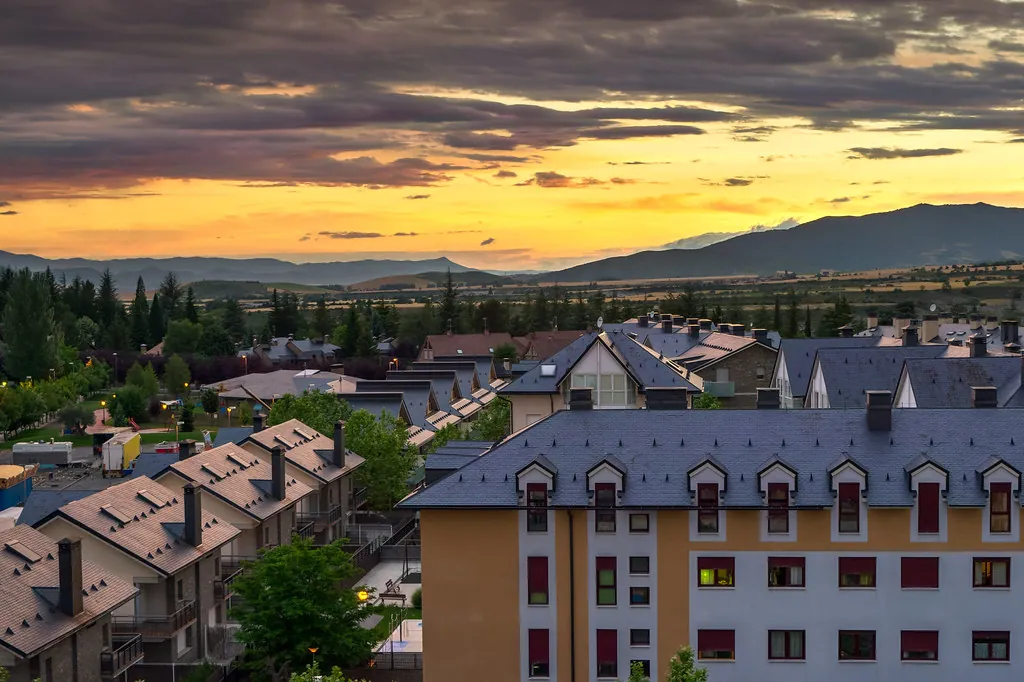
The wind hits first. At 1,400 metres, it carries the scent of pine resin and something sharper—snow that fell last week on the Sierra de Albarracín, still clinging to shaded gullies. Pozondón’s stone houses hunker down against it, roofs pitched like folded arms, chimneys fat with winter smoke. Forty-eight residents remain. They don’t bother locking doors; everyone knows whose tractor is whose, and the village dog answers to three surnames.
A village that refuses the postcard
There is no plaza mayor lined with orange trees, no sun-bleached baroque façade. Instead, a triangle of cracked concrete serves as square, bordered by the church of San Pedro Apóstol—Romanesque bones, eighteenth-century skin—and Bar Casa Ramón, where the coffee machine hisses from 7 a.m. sharp. Inside, the menu is chalked on a scrap of board: caldo (€3), chuletón para dos (€28), bocadillo de jamón (€4). The television mutters the regional news; no one watches. Ask for directions to the famous rock formations and the barman jerks a thumb towards the window: “Follow the track past the feed store. If you reach the sheep dip, you’ve gone too far.”
The houses are built from what the ground offered: quartz-speckled granite, splinters of slate, mortar the colour of storm clouds. Walls are half a metre thick; windows shrink in winter, bulge in summer. A timber balcony here, a rusted iron cross there—otherwise, ornament is deemed frivolous. Frost can arrive in May; snow has cut the road as late as April. Practicality is the only aesthetic that survives.
Walking without waymarks
Officially, Pozondón sits on the GR 88 long-distance path. Unofficially, the paint blisters off faster than the council can refresh it. Buy a bag of stale bread from the bar, pocket a town-hall map printed in 2007, and set off anyway. South-east, the path skirts a field of lethargic cows, then dips into a gully where griffon vultures ride thermals above the pines. Thirty minutes later the track splits: left towards the ruins of Castillos de Los Ares, right towards the Piedra del Peruano, a sandstone hoodoo that looks, if you squint and have had two glasses of local tinto, like a profile of Pizarro.
The castle is less castle, more pile of suspiciously rectangular stones. No ticket booth, no audio guide, just the wind and a view that rolls all the way to the Montes Universales. Picnic tables have never arrived; spread a jacket on the ground and eat cheese that has softened in your pocket. On the return, detour past the era, the communal threshing floor still ringed by a dry-stone wall. Someone has left a plastic chair there, presumably for the sunset.
Seasons that pick the locks
Spring arrives sideways. One week the slopes are brown; the next, they’re stitched with white chamomile and the acid yellow of broom. Temperatures brush 16 °C by day, plunge to 2 °C after dark—bring both sun cream and a fleece. This is the moment for mushrooms, if you know your níscalos from your death caps; locals carry wicker baskets and answer questions only after the third caña.
Summer is short, sharp, and luminous. Daytime nudges 26 °C, nights demand a duvet. The village doubles its population when grandchildren arrive from Zaragoza for the school holidays. They ride bicycles in circles around the square, the only traffic you’ll see. August brings the fiesta patronal: one evening of fireworks that bounce off the surrounding cliffs, a communal paella cooked in a pan the size of a satellite dish, and mass sung at 11 p.m. because the priest is shared with three other villages and has to drive the mountain loop.
Autumn smells of distilled sunlight. Juniper berries dry on the branch; wild boar descend from the heights and occasionally wander into the football pitch—goalposts bent, match abandoned. The first snow can dust the pass overnight; the road is cleared by 9 a.m., grit rattling against hire-car paintwork.
Winter is honest. Snow lies 40 cm deep, the thermometer stalls at –8 °C, and the village generator hums like an anxious bee. Access is via the A-1512 from Teruel, a 55-kilometre succession of hairpins where black ice forms faster than you can say “all-weather tyres”. Chains are not optional. If the white stuff closes the col, Pozondón becomes an island until the plough appears—sometimes 24 hours, sometimes three days. Residents stockpile lentils, wine, and chuletas the size of dinner plates. Visitors are advised to do the same.
What to do when nothing is the point
There is no interpretive centre, no olive-oil museum, no artisanal soap shop. Entertainment is self-assembled. Borrow the village binoculars (ask Concha in the yellow house) and spend an hour identifying Iberian magpies. Trace the old laundry troughs—stone basins fed by a channel where women once scrubbed sheets while swapping gossip now fossilised in the mortar. Drive ten minutes to the abandoned village of El Cuervo; roofless houses stand open like mouths, elderberries sprouting where beds once were.
If energy persists, tackle the 12-km circular to Albarracín. The path crosses the Guadalaviar by a Roman bridge (two arches intact, one rebuilt after the civil war), then climbs through sabinar where trees grow in corkscrew shapes, their trunks blood-red. Pack water; streams run only after heavy rain. Finish in Albarracín’s walled lanes, eat a tarta de la abuela in Café Bar El Rincón, and contemplate the luxury of pavements.
Beds, bills and Monday shutdowns
Accommodation inside Pozondón amounts to two restored cottages: Casa Rural La Piedra (terrace, wood-burner, €70 per night) and Casa de la Sierra (fireplace, no Wi-Fi, €60). Both are booked solid at Easter and throughout August; reserve by telephone—email is checked when someone climbs the hill for signal. Otherwise, stay 25 minutes away in Albarracín, where hotels occupy sixteenth-century palaces and parking costs €2 per hour.
Monday is ghost day. Both bar-restaurants close; the bakery van arrives at 11 a.m., sells out of molletes by 11:20, and is gone. Fill the tank before the weekend; the nearest petrol pump is 35 km towards Teruel and shuts for siesta. Cash is king: the sole ATM swallowed a German tourist’s card in 2019 and locals still tell the story.
Bring boots with ankle support—scree shifts underfoot—and a jacket that blocks wind. Mobile coverage is three bars on the church steps, zero in your bedroom. Consider it a feature, not a failure.
Last light
Evening collapses quickly. The sun slips behind the ridge, the temperature plummets ten degrees in as many minutes, and stone walls release the day’s stored cold. Lights flick on one by one: kitchen, stable, the bar’s neon cerveza sign. Someone hauls a side of lamb across the road; you hear the slam of a freezer lid, then silence.
Pozondón will not flatter you. It offers no souvenir fridge magnet, no filtered Instagram corner. Instead, it gives the brittle honesty of a place that has never needed visitors to justify itself. Drive away before dawn tomorrow and the village will simply pull the blankets higher, already forgetting your number plate. That, perhaps, is the rarest gift of all.