Full Article
about Pozuelo de Aragon
Ocultar artículo Leer artículo completo
First impressions: a village that refuses to shout
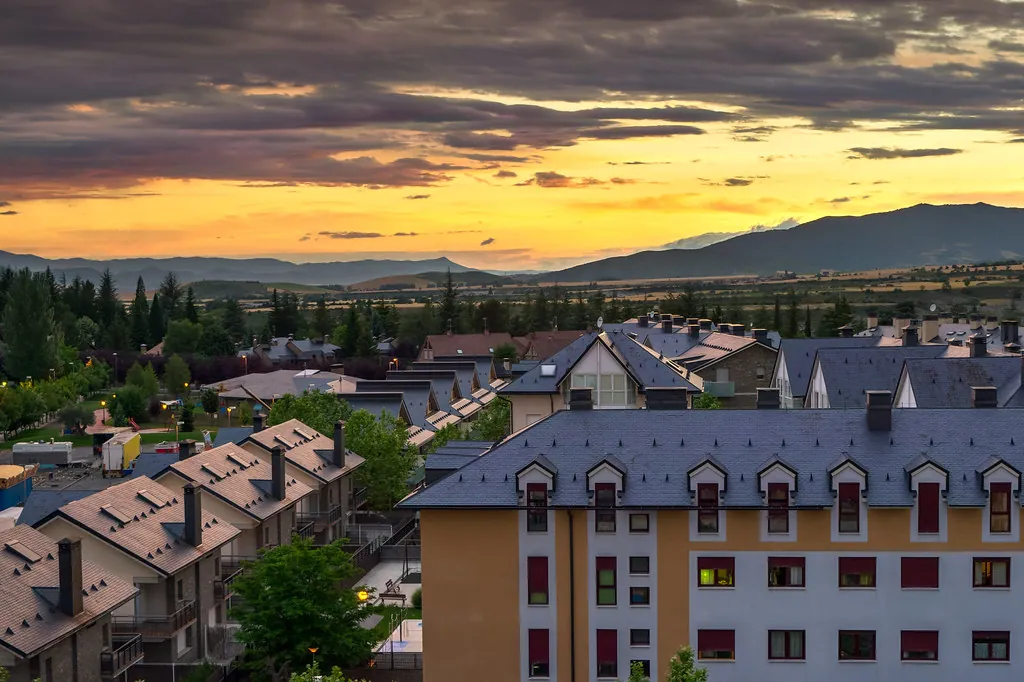
Drive south-east from Zaragoza for fifty minutes and the motorway slip-road deposits you on a single-lane strip of tarmac pointed straight at cereal fields. Pozuelo de Aragón appears only when you are almost inside it: low stone houses, a church tower no taller than a London townhouse, and a silence so complete you can hear wheat brushing against itself in the breeze. Population 263, one bar, one bakery, zero traffic lights. The village doesn’t so much welcome visitors as wonder what they’re doing here.
That curiosity works both ways. British motorists fresh from the A-68 expect facilities justified by the road signs; instead they find a settlement the size of a medium Cotswold hamlet, minus the coach park and gift shop. The payoff is immediacy. park on the rough plaça next to the church and you are thirty seconds from every service the place offers: cold beer, freshly baked rosquillas, a free-to-view saline spring that bubbles like a kettle on a low simmer, and a horizon that stretches all the way to the Iberian System on clear days.
Stone, sun and soil: how the landscape shapes the day
Altitude here is 412 m – low enough for scorching summers, high enough for sharp spring dawns. The surrounding Campo de Borja behaves like a giant sundial: wheat turns gold in late June, vines redden from mid-September, and by November the stubble fields look like corduroy pressed flat by giant hands. Walking tracks follow the dry-stone boundaries of smallholdings; waymarking is minimal, but the geography is honest – keep the village spire over your left shoulder and you’ll loop back in forty minutes.
For something longer, set off at sunrise along the camino that leaves from the eastern edge past a row of abandoned bodegas carved into the bedrock. Within two kilometres the path climbs a low ridge; from the top the view is pure central Spain – ochre squares of vineyard, silver flashes of almond trunks, and the occasional tractor raising a feather of dust. Boot traffic is so light that roe deer often stand and watch instead of bolting. Take water: there are no cafés en route, and July temperatures touch 38 °C.
Lunch, supper and the gaps in between
The village bar doubles as grocer, tobacconist and gossip exchange. A glass of Campo de Borja Garnacha costs €1.80, roughly the same as the supermarket price because the owner buys directly from the cooperative in nearby Borja. Food is straightforward: migas fried with chorizo, lamb shoulder slow-cooked until it sighs off the bone, and a tomato-pepper salad dressed only with local olive oil and a pinch of salt. Vegetarians can assemble a decent meal from tinned artichokes, Manchego and the bakery’s still-warm bread, but carnivores get the better deal.
There is no restaurant, so supper plans require forward thinking. Self-caterers should shop in Borja (15 min) before 20:00 when the supermarket shutters. The alternative is to drive 25 minutes to Tarazona, whose medieval lanes hide half a dozen dining rooms serving ternasco (milk-fed lamb) roasted in wood-fired ovens. Book ahead at weekends; Aragonese families eat late and tables fill fast.
Where to sleep (and why you’ll need a car)
Accommodation is limited to a handful of casas rurales. El Geiser de Pozuelo, opposite the bakery, has three en-suite doubles built around a tiny courtyard where swallows nest in the eaves. Guest feedback from the only verified British visitor on record calls it “a beautiful casa rural… well located to travel further afield”, which translates as: you will be driving everywhere. Public transport does not reach the village; the last bus passed through in 1991. Zaragoza airport is 55 minutes away on fast roads – hire a car at the terminal or face a €90 taxi ride.
Mobile signal inside the house is patchy; Wi-Fi is provided but bandwidth struggles with anything more demanding than email. The owner’s workaround is a shelf of walking maps and a bottle of local vermouth in the fridge – a hint that evenings here are meant to be analog.
Festivals, fiestas and the art of turning up uninvited
If you crave fireworks and processions, come in mid-August when the village celebrates its patrona. The population quadruples for forty-eight hours; the solitary bar imports extra fridges and sets up tables in the street. A brass band arrives from Tarazona, plays until 03:00, and departs leaving only confetti and sausage wrappers as evidence. The event is not staged for tourists – visitors are simply absorbed into the general goodwill. Bring earplugs if you sleep lightly; stone walls bounce brass music efficiently.
At other times the calendar is quieter. Easter is observed with a single dawn procession that finishes before the frost burns off the wheat. October marks the grape harvest: locals haul plastic crates to cooperative presses in Borja, and the smell of crushed Garnacha hangs over the lanes. There is no charge for watching, but protocol demands you accept a thimble of mistella offered from someone’s van tailgate.
Weather warnings and honest drawbacks
Summer heat can be oppressive; August afternoons are best spent indoors with the shutters closed. Conversely, winter brings the Cierzo, a wind that barrels down the Ebro valley and cuts through layers supposedly rated to minus five. Frost at dawn is common from December to February; rental cars need antifreeze and country roads ice over quickly after dusk.
Crowds are rarely a problem – except during the August fiesta when rooms sell out months ahead. Book early or resign yourself to a 30-minute drive back to Tarazona after the fireworks. Finally, adjust expectations of the eponymous “geyser”. The saline spring is geologically interesting, not spectacular; it bubbles rather than erupts, and the surrounding ground can be boggy after rain. Wellington boots trump Instagram poses.
Leaving (and why you might return)
By the second morning the village rhythm has colonised your own: bread run at 08:30, coffee at the bar, a stroll to the ridge before the sun climbs too high. The absence of souvenir stalls feels like a courtesy; nothing here needs to be taken home except perhaps a bottle of cooperative wine bought for €4.50 and carried in checked luggage. Back on the A-68 the motorway roar returns, yet the wheat-coloured silence of Pozuelo lingers longer than the kilometre signs suggest. It is not a place that dazzles, but one that resets the tempo – a useful recalibration for anyone arriving from Britain’s non-stop queues and notifications.