Full Article
about Puebla de Alborton
Ocultar artículo Leer artículo completo
The thermometer drops three degrees as you turn off the A-220 towards Puebla de Albortón. Not from altitude—this sits at just 483 metres—but from the vast openness of Spain's cereal belt, where wind sweeps unchecked across the Campo de Belchite and carries away both heat and conversation.
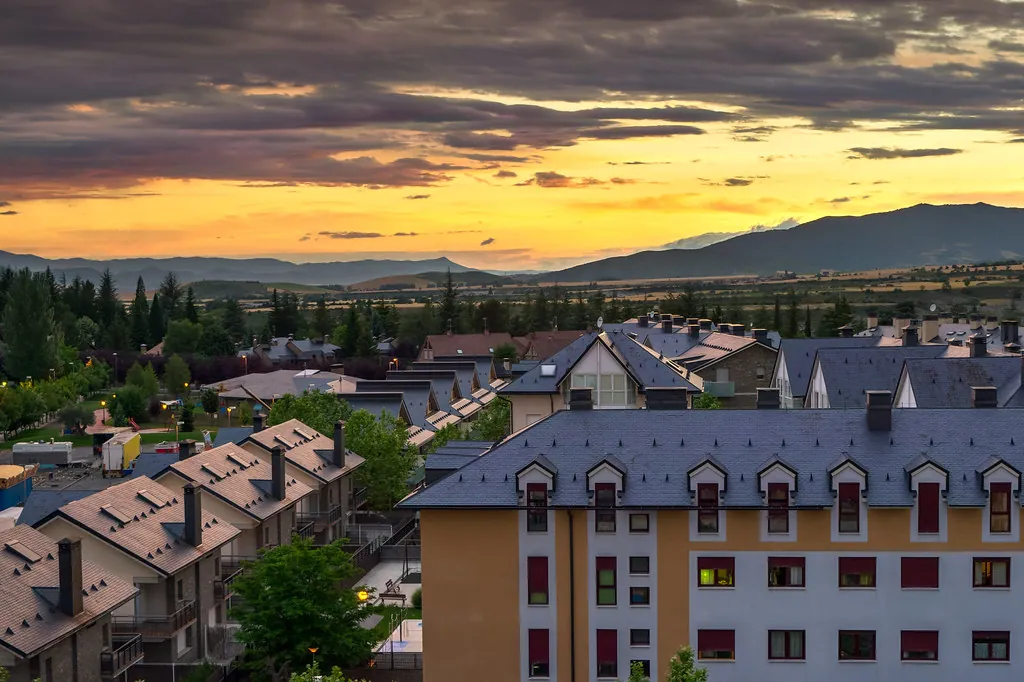
What remains is silence, broken only by the crunch of tyres on the approach road. The village appears gradually: first the bell tower of San Bartolomé, then a cluster of whitewashed houses that seem to huddle together against the elements. It's a landscape that demands patience. The harsh light flattens colours at midday, but transforms the surrounding wheat fields into shifting palettes of gold and amber as evening approaches.
The Architecture of Necessity
Adobe walls meet terracotta roofs in a harmony born from practicality rather than aesthetics. These buildings weren't constructed to impress visitors—they were built to survive. The thick adobe regulates temperature during scorching summers when the mercury regularly exceeds 35°C, while the Arab tiles channel away the infrequent but torrential rains that characterise Aragon's continental climate.
Wandering the narrow streets reveals construction details that speak volumes about rural Spanish life. Doorways sit lower than British standards—centuries of shorter inhabitants have left their mark. Window grills, originally functional rather than decorative, now support cascading geraniums that add splashes of crimson against the whitewash. The church itself tells a story of adaptation: Romanesque foundations support Gothic additions, which in turn bear the weight of Baroque embellishments added when agricultural fortunes improved.
The lack of ostentation initially disappoints those expecting Andalusian splendour. Yet persistence rewards the observant. A weathered stone lintel bears the date 1743. A faded blue plaque commemorates the village's contribution to Republican forces during the Civil War. These aren't museum pieces—they're living history, worn smooth by generations of hands and feet.
Working the Land
Puebla de Albortón's rhythm follows agricultural cycles that predate written records. April brings green wheat that ripples like ocean waves across the surrounding plains. By late June, the colour shifts to honey-gold as harvesters work from dawn to dusk, their combines creating dust clouds visible from the village centre. The stubble that remains through summer months provides a beige backdrop that photographers find either starkly beautiful or depressingly barren, depending on their mood and equipment.
Local farmers have adapted to climate challenges that make British agricultural struggles seem trivial. Annual rainfall hovers around 350mm—less than Devon receives in autumn alone. Olive trees, planted in neat rows between cereal crops, send roots deep into the limestone substrate. Their silver-green leaves catch the light differently throughout the day, creating subtle variations that painters have attempted to capture since Renaissance times.
The village cooperative still processes grain using machinery that British farmers retired decades ago. This isn't nostalgia—it's economic reality. Profit margins remain slim enough that new equipment remains prohibitively expensive. Visiting during harvest provides insight into practices that fed Europe for millennia, though modern safety standards mean spectators must observe from designated areas.
When the Village Awakens
August transforms Puebla de Albortón completely. The population swells from 129 to nearly 500 as former residents return for the fiestas of San Bartolomé. Suddenly, streets that echoed with footsteps now throb with conversation. Grandmothers who spend eleven months knitting in shaded doorways emerge to supervise outdoor kitchens. The aroma of roasting peppers and sizzling chorizo drifts through streets that smelled only of dust and thyme for the preceding weeks.
The celebrations lack the commercial aspects that plague better-known Spanish festivals. No tour operators sell packages. No souvenir stalls hawk mass-produced memorabilia. Instead, villagers share whatever they have—perhaps explaining why food tastes better here than in Michelin-starred establishments an hour away in Zaragoza. The local wine, produced from Garnacha grapes that struggle in thin soils, possesses an intensity that reflects its harsh upbringing.
Evenings during fiesta week feature traditional jota dancing in the plaza. The steps remain unchanged since the 18th century, though participants now range from teenagers discovering their heritage to octogenarians whose memories span back to the Second Republic. British visitors often find themselves swept into circles of linked arms, following rhythms that feel simultaneously alien and fundamentally human.
Practical Realities
Reaching Puebla de Albortón requires commitment. The nearest train station stands 45 kilometres away in Zaragoza, making car rental essential. The final approach involves navigating roads that seem designed to test suspension systems—though the recent installation of speed cameras suggests local authorities recognise this presents an image problem.
Accommodation options within the village itself remain nonexistent. The sensible approach involves basing yourself in Belchite, eight kilometres distant, where the Hotel Posada del Mesón provides adequate if uninspiring rooms from €45 nightly. Alternatively, Zaragoza offers proper hotels and the possibility of combining rural exploration with urban culture, though this adds ninety minutes of daily driving.
Timing visits requires careful consideration. Summer temperatures regularly exceed 40°C between July and mid-August, making midday exploration actively dangerous for those unaccustomed to such extremes. Winter brings its own challenges: though snow remains rare, the wind that howls across the plains makes 8°C feel like freezing. Spring offers the best compromise, when temperatures hover around a civilised 20°C and the surrounding fields provide a patchwork of greens that photographers prize.
The village contains no restaurants, though Bar El Pilar in neighbouring Belchite serves acceptable local specialities. Their migas—fried breadcrumbs with chorizo and grapes—provides sufficient calories for serious walking. The set lunch menu costs €12 and includes wine that would retail for £8 in Britain, making the mathematics of rural Spanish dining refreshingly straightforward.
Beyond the Obvious
Puebla de Albortón won't suit everyone. Those seeking Instagram moments will leave disappointed. The absence of souvenir shops means no fridge magnets commemorate your visit. Yet for travellers interested in understanding how most Spaniards actually live—how agricultural communities function in an age of European integration and climate change—the village offers authenticity that no amount of tourism investment could manufacture.
The surrounding countryside rewards walkers willing to abandon established trails. Old drove roads, marked by ancient stone walls, connect to neighbouring villages across distances that seem manageable until you factor in the heat and complete absence of shade. Carry water. Lots of water. The local pharmacy stocks rehydration salts for good reason.
Sunrise provides the day's most magical moments. Standing atop the low hill that rises south of the village, watching light creep across endless fields while the village below remains shuttered and silent, offers perspective on Spain that city breaks cannot provide. The moment passes quickly—within an hour, agricultural machinery begins its daily chorus and the spell breaks.
Puebla de Albortón demands nothing from visitors except time and attention. Give it both, and you'll understand why some Spaniards still choose this life over the opportunities and anonymity of Madrid or Barcelona. Leave disappointed if you must—but don't claim you weren't warned. This isn't a destination that caters to tourists. It's simply a place where people live, work and occasionally dance, just as their grandparents did before them.