Full Article
about Puente la Reina de Jaca
Ocultar artículo Leer artículo completo
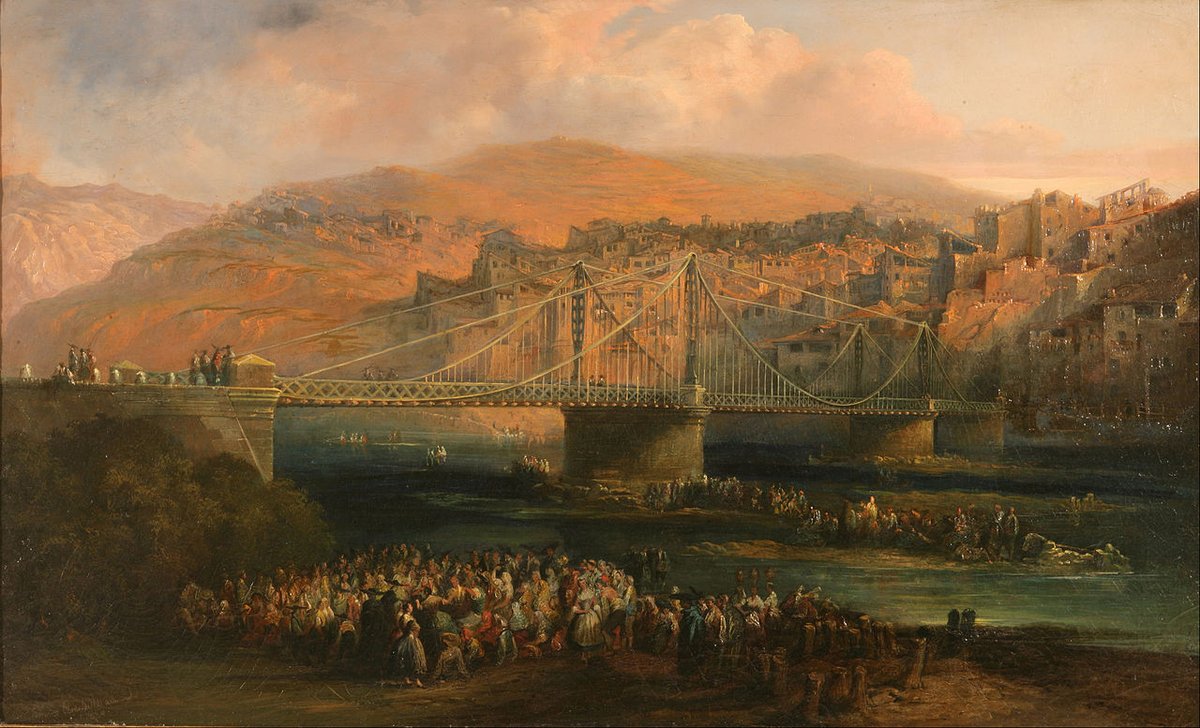
The bridge appears first. Not in a postcard-perfect way, but as a working structure that still carries traffic across the Aragón River, its stone arches weathered by eight centuries of use. This is Puente la Reina de Jaca, and unlike its more famous namesake in Navarra, this village has never needed to try too hard to impress.
Two hundred and fifty souls call this place home year-round, though numbers swell when the Camino Aragonés passes through. The medieval bridge that gave the village its name still serves its original purpose—no pedestrianised heritage site here, but a thoroughfare that connects the high Pyrenees with the plains beyond. Lorries rumble across alongside the occasional tractor, while walkers with scallop shells attached to their packs pause to photograph the view downstream.
A Village That Works for Its Living
The approach from Jaca tells you everything you need to know about this corner of Aragón. Twenty minutes by car along the HU-631, the road climbs gently through olive groves and cereal fields before dropping into the valley. At 580 metres above sea level, Puente la Reina sits in that transitional zone where mountain weather meets Mediterranean influence—snow in winter, certainly, but rarely the heavy falls that blanket the higher valleys.
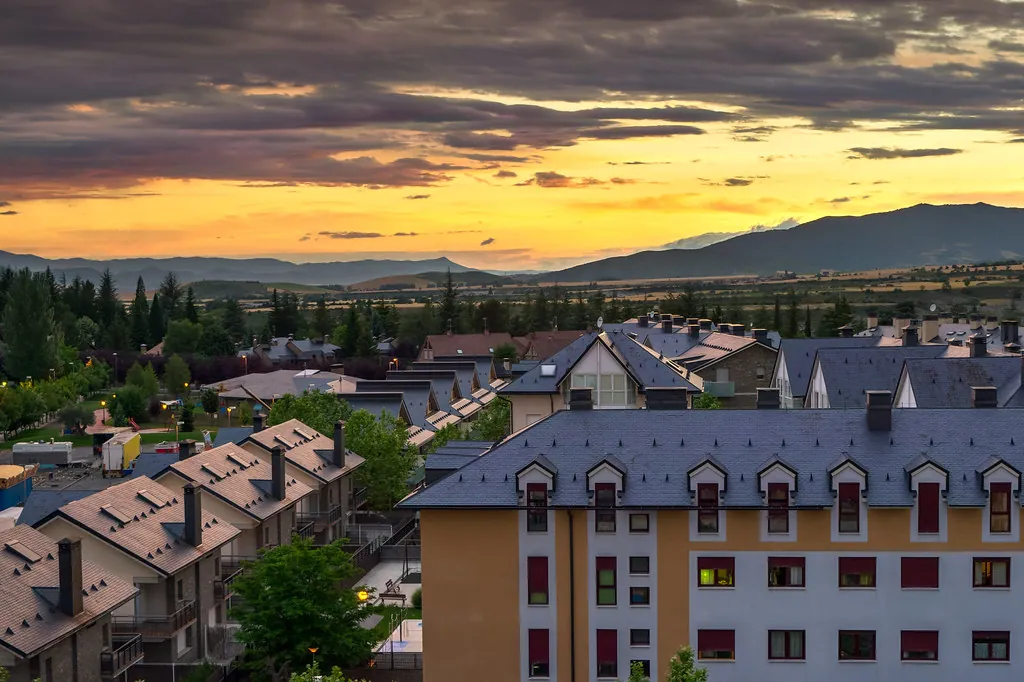
The village itself clusters along the river's north bank, a linear settlement that follows the road rather than climbing hillsides. Stone and concrete houses line the main street, their practicality evident in the agricultural machinery parked outside rather than geraniums on balconies. This is farming country, and the rhythm of life still follows the agricultural calendar rather than tourist seasons.
The parish church of San Andrés stands solid and square in the village centre, its 16th-century bell tower visible from the bridge. Inside, the single-nave construction speaks of modest means rather than ecclesiastical grandeur. The real treasure lies in the cemetery, where excavations in 1993 revealed a 12th-century necropolis—medieval graves that remind visitors this has always been a place of passage, whether for pilgrims heading to Santiago or merchants trading between France and Spain.
Walking Through History
The Camino Aragonés splits here, offering walkers a choice that defines their experience of the village. The north bank route follows the tarmac towards Berdún and Leyre—a faster but noisier path that shadows the main road. Better by far is the southern option, where an ancient Roman-paved track leads through olive groves towards Ruestra and Undués de Lerda. British walking groups consistently rate this section among the Camino's most satisfying, a proper country path that justifies the extra kilometres added to avoid the new motorway.
For those not carrying pilgrim credentials, the surrounding countryside offers gentler walks. The river terraces support a patchwork of smallholdings—vegetable gardens, almond orchards, and fields of cereal crops that turn golden by late July. Footpaths follow irrigation channels and farm tracks, passing through stands of poplar and willow that provide shade during summer's intense heat. None are signposted for tourism; a decent map or GPS app proves essential.
Fishing enthusiasts find the Aragón River productive, though current regulations require checking which stretches allow sport fishing and whether permits need advance booking. The river's character changes with the seasons—mild and meandering in late summer, a powerful torrent after spring snowmelt in the Pyrenees. Kingfishers flash electric blue along the banks, while herons stand motionless in the shallows.
What to Expect When You Stop
Accommodation options remain limited, which suits the village character perfectly. The Hotel Anaya occupies a modern building on the main street, its twelve rooms clean and functional rather than luxurious. At €55-65 per night including breakfast, it caters primarily to Camino walkers and cyclists who appreciate secure bike storage and early breakfast starts. The hotel restaurant serves straightforward Aragonese cooking—think hearty rather than refined, with portions sized for hungry walkers rather than delicate appetites.
The Mesón de la Reina, halfway across the bridge, offers the better dining experience. Their tortilla de patatas arrives by the generous wedge, properly cooked with a soft centre that British visitors often find more palatable than the dry versions served elsewhere. Pollo al chilindrón appears regularly on the menu—a tomato and red pepper stew that carries none of the chilli heat its name might suggest to UK ears. Local rosado from Somontano provides a lighter alternative to heavy Rioja, particularly welcome during midday meals in summer heat.
Saturday evenings bring the village's communal dinner, a tradition that sees locals gather in the community centre. Visitors are welcome but should understand this isn't organised entertainment—it's neighbours eating together, sharing news and occasionally breaking into song as wine flows. Most bars close by 9 pm regardless, so stock up on supplies beforehand or accept an early night.
Practical Realities
Getting here requires forward planning. The railway line to Jaca stopped carrying passengers years ago, leaving bus or car as the only options from Huesca. From the UK, the usual route involves flying to Zaragoza or Barcelona, then hiring a car for the two-hour drive. Public transport exists but proves sporadic—one morning bus from Jaca, returning mid-afternoon. Miss it and a taxi costs €35-40.
The village's only cash machine sits inside the pharmacy and frequently runs out of money at weekends. Bring euros, particularly if visiting during festival periods when the population triples and card machines struggle with patchy mobile coverage. Speaking of which, phone signal disappears entirely in parts of the valley—download offline maps before setting out on walks.
Weather catches visitors out regularly. Spring and autumn offer the most reliable conditions, with temperatures ranging from 15-22°C. Summer brings fierce heat—35°C isn't unusual—and while the river provides cooling breezes, accommodation without air conditioning can prove uncomfortable. Winter sees occasional snow, though rarely enough to cut the village off. The real issue comes with rain; when heavy falls combine with snowmelt, the Aragón can burst its banks, flooding the lower parts of the village.
Beyond the Bridge
Puente la Reina works best as a base rather than a destination. Jaca lies twenty minutes away, its fortress cathedral and old town worth a morning's exploration. The monastery at San Juan de la Peña, half an hour into the mountains, offers spectacular setting and medieval history in equal measure. Serious hikers can tackle sections of the GR 65.3, while road cyclists appreciate the quiet mountain roads that climb towards the Puerto de Santa Bárbara.
The village's August fiesta brings fireworks and processions, traditional dancing in the square and communal meals that spill onto the streets. It's authentic rather than touristy—returning emigrants outnumber visitors, and the atmosphere feels like a family reunion rather than heritage theatre. Come expecting noise, late nights, and probably being offered more wine than advisable.
Puente la Reina de Jaca won't change your life. It offers something more valuable—a glimpse of rural Spain that continues regardless of visitor numbers, where history remains functional rather than preserved in aspic. The bridge still carries traffic, the church still serves parishioners, and the village still feeds itself from surrounding fields. In an age of curated experiences and Instagram moments, that authenticity feels increasingly precious. Just remember to bring cash, check the bus timetable, and don't expect anyone to make a fuss about your arrival. Here, you're simply another traveller crossing a bridge that's seen them all.