Full Article
about Remolinos
Ocultar artículo Leer artículo completo
The morning bus from Zaragoza drops you at a crossroads between irrigation ditches. To the east, the Ebro River glints like polished pewter; to the west, peach orchards fade into a horizon so flat you can almost see the curvature of the earth. This is Remolinos, population just over a thousand, 228 m above sea-level yet somehow still below the radar of every English-language guidebook. No minibus tours, no souvenir stalls, not even a cash machine—just the smell of wet soil and the sound of poplars hissing in the cierzo wind.
A Plain That Breathes
Aragon’s Ribera Alta feels more like a chessboard than countryside. The river supplies the squares; the acequias—stone-lined irrigation channels—supply the moves. From February to October farmers open sluice gates in strict rotation, flooding strips of market garden that would otherwise bake to dust. The system is older than the Reconquista and still governs daily life: if you see a sudden rush of muddy water down what looks like an ordinary ditch, stand back. The water rights timetable is posted on the ayuntamiento door; locals check it the way Londoners check the Tube status.
Walking tracks follow the acequias for miles. One easy circuit leaves the village by the football pitch, skirts a thicket of reeds where nightingales rehearse at dawn, and returns past a ruined watermill exactly 5 km later. The ground is dead-level, so you can manage it in trainers even after the previous night’s cordero asado. In spring the banks are confettied with pink poppy petals; by late September the same path is a nave of golden poplar trunks and you’ll need a jumper once the sun drops behind the meander.
What Passes for a Skyline
The parish tower is the only thing that punctures the horizon. Begun in the sixteenth century, patched after the 1936 fighting, it now serves double duty as bell-tower and mobile-mast. Stand at its base at 11 a.m. and you’ll hear two ringtones: the metallic clang of the angelus and the Nokia text-alert of the baker arranging tomorrow’s dough delivery. Inside, the nave is a cool dim rectangle smelling of wax and mouse-chewed hymnals. Donations for roof repairs are collected in an old olive-oil tin; drop in a euro and the sacristan will unlock a side chapel to show you a tiny Roman mosaic—fish, dolphins, the usual nautical suspects—found when the presbytery floor was last relaid.
Otherwise the architecture is domestic and pragmatic: brick softened by ochre wash, balconies just wide enough for a geranium pot, wooden beams darkened by centuries of sopas de ajo. Number 14 Calle Mayor still has its original grain store on the first floor—look for the small square window with iron bars where produce was winched up away from river rats. Most houses are single-fronted and two storeys high; anything grander sank into the alluvial subsoil long ago.
Eating by the Irrigation Clock
There is no restaurant row, just three bars that open when the owners feel like it. Bar La Maravilla (locals call it Casa Machín) hangs a hand-written card on the door: “Hoy hay callos” if tripe stew is on, or simply “Agotado” if the family fancy an afternoon off. Order the chuletón for two and you’ll receive a single slab of beef the size of a tea tray, flanked by charred padrón peppers and a jug of Cariñena red that costs €1.80 a glass. Pudding choices run to flan or flan; eat it anyway—this is the sort of silky custard that makes you wonder why anyone ever bothered with crème brûlée.
Vegetarians do better at lunchtime. The fixed menu del día—€12 in 2024—usually includes ajoarriero, salt-cod and potato mashed to the consistency of kedgeree, and a plate of cardoons in almond sauce that tastes like artichoke hearts wearing nutty aftershave. Ask what day the baker’s daughter brings her tortilla round; it sells out by 9 p.m. and you’ll need to reserve a wedge by telephone. The telephone is behind the bar; yes, they’ll pass it over.
River Life, Bird Life, After-Life
At dawn the Ebro is often misted so thickly that herons appear as grey calligraphy, a single stroke that suddenly lifts into sound. By mid-morning the cormorants arrive, perching on half-submerged orange trees swept down during the last flood. Bring binoculars and you can clock twenty species before coffee: kingfishers rattling along the banks, black kites moulting above the watermeadows, the occasional osprey wondering where all the fish have gone. The best vantage is the old ferry landing, ten minutes downstream from the village; a concrete ramp now used by tractors rather than boats, it lets you scan both the main channel and the oxbow lagoon without trespassing on private plots.
Fishing licences are sold online only—don’t expect the tobacconist to sort you out. Locals use collapsible rods and bait dug from compost heaps; they catch barbel and the odd invasive catfish that looks big enough to swallow a terrier. If you hook one, take a photo, then let it go: Aragonese folklore says wels catfish are the reincarnation of argumentative mothers-in-law.
When the Plain Parties
Fiestas begin on the third weekend of August when temperatures still touch 38 °C. The schedule is printed on pink paper and glued to every lamppost: Friday night, foam party for teenagers in the municipal pool; Saturday, procession of the Virgen del Rosario followed by a paella cooked in a pan two metres wide; Sunday, jota dancing in the square until the band’s accordion gives out. Visitors are welcome but not announced—if you want to join in the giant paella, drop a €10 note into the fisherman's hat passed round at 11 a.m. and come back with your own plate and spoon at 1 p.m. sharp.
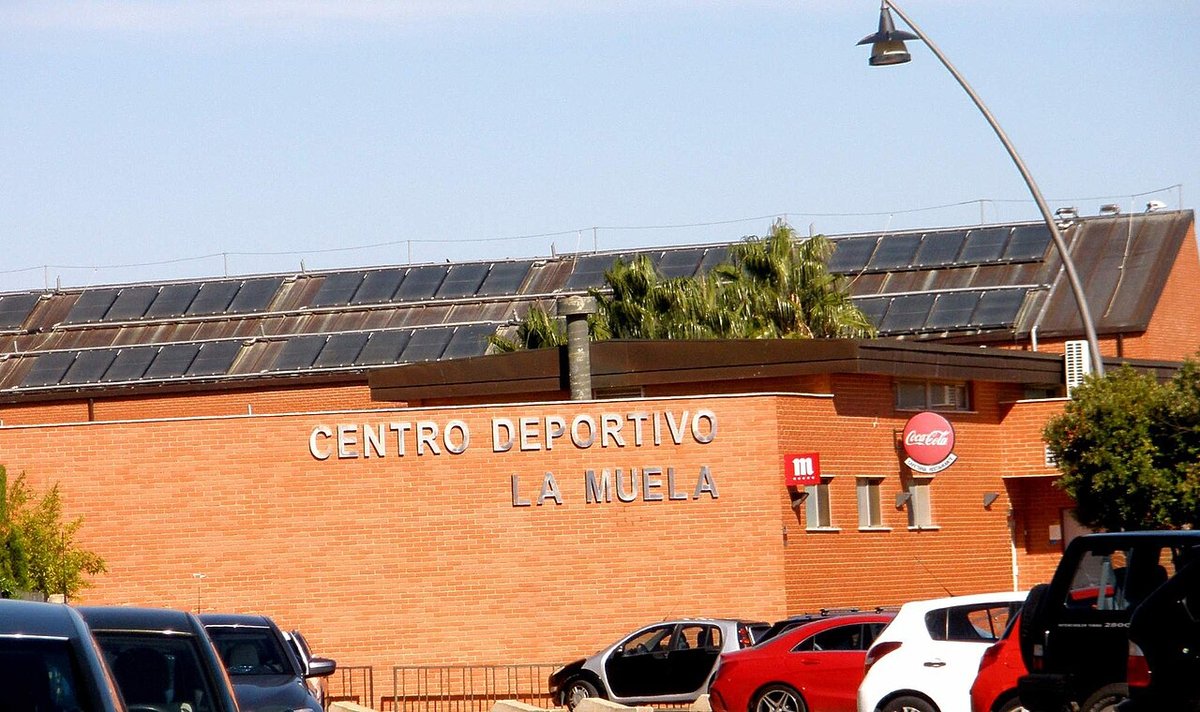
Autumn brings the lesser fiesta de la Acequia, essentially a working bee with beer. Men in rubber boots dredge silt while women ferry plastic jugs of homemade clarified; by sunset the ditch runs clear and everyone decamps to the sports hall for rabbit stew and arguments about water rights. Turn up in old clothes and you’ll be handed a shovel. Refuse twice, then accept—that’s the local etiquette.
Getting There, Getting Stuck, Getting Out
Remolinos sits 25 km northwest of Zaragoza along the N-232, a road that parallels the Ebro so faithfully it sometimes disappears under the river’s winter flood. Driving takes thirty minutes unless a lorry full of peaches has overturned at La Cartuja. There is no petrol station in town; fill up at the Repsol in Zuera, 8 km back towards the capital. The twice-daily bus (Line 260) leaves Zaragoza-Delicias at 07:15 and 18:00; the return journey is 07:45 and 18:30. Miss the evening run and a taxi costs €35—if you can persuade the Zuera rank to come out.
Accommodation is limited to two rural houses and a hostal above the bakery. Rooms are clean, cheap (€45–€55) and echo to the 5 a.m. scent of baking crust. Bring cash: neither the hostal nor the bars accept cards, and the nearest ATM is in Alagón, 12 km away. Winter nights can dip below freezing; summer afternoons top 40 °C. April–June and mid-September to late-October give you warm days, cool nights and the lowest chance of either mosquitoes or muddy roads.
Leave before you confuse torpor with tranquillity. Remolinos does not reveal grand monuments or Instagram vistas; it offers instead the slower pulse of a place that measures time in river levels and harvest moons. One stay is usually enough to decide whether that rhythm suits you—return visitors tend to stay for years, trading London rain for the sound of water sliding past poplar roots under an enormous, uncluttered sky.