Full Article
about Retascon
Ocultar artículo Leer artículo completo
The church bell strikes noon, yet only a single tractor disturbs the silence. Retascon's handful of stone houses seem to hold their breath, waiting for summer's wheat to turn from green to gold. This is Spain stripped of guidebook promises—no souvenir shops, no weekend crowds, just sixty-odd souls living 800 metres above the surrounding cereal plain.
At this altitude, the air carries a dryness that crackles in winter and shimmers in July heat. The village squats atop its ridge like a weathered lookout, surveying fields that stretch towards Daroca's medieval walls fifteen kilometres south. Locals call the surrounding region Campo de Daroca, though "campo" hardly captures the scale: from Retascon's cemetery edge, the horizon dissolves into forty kilometres of wheat, almond groves and the occasional limestone outcrop.
Stone, Brick and the Patience of Dry Land
Architecture here speaks of necessity rather than ornament. Parish church towers in simple masonry, its nave patched across centuries when funds or faith permitted. Doorframes use whatever stone came to hand—some limestone blocks show fossil shells from ancient seabeds, others bear mason's marks dating to the 1600s. Adobe walls survive in a few side streets; their earthen bricks, thick as a forearm, absorb summer heat and release it after midnight, when villagers re-emerge to water geraniums in interior courtyards.
Walking takes twenty minutes if you dawdle. The main lane narrows to shoulder width between houses whose wooden balconies sag just enough to suggest character rather than collapse. One gateway still bears a wrought-iron date: 1834, the year cholera swept through and halved the population. Retascon never really grew afterwards. What you see is what endured.
Spring arrives late. Almond blossom appears only in early April, weeks behind the coast. When it does, the effect is theatrical: white petals against red earth, the whole landscape suddenly advertising fertility. By June the colour drains back to ochre. Wheat heads bow, cicadas start their electric drone, and photographers seeking emerald fields find instead a palette of bronze, umber and dusty olive.
Tracks That Lead Nowhere in Particular
Footpaths exist primarily for agricultural access. Follow the one past the last streetlamp and you reach a bancal—a terraced field held in place by dry-stone walls. Keep walking; the track forks at an abandoned threshing floor where wheat once met flail. Left leads towards a ruined ermita whose roof collapsed during a 1930s storm. Right peters out amid thistles and the realisation that Retascon's charm lies precisely in having no designated destination.
Maps mark several circular routes of six to ten kilometres. None are waymarked; instead you navigate by the position of Daroca's distinctive twin-towered collegiate on the southern skyline, or by the wind turbines glinting atop distant ridges. After rain—rare but torrential—clay sticks to boots like wet cement. Summer walkers should carry more water than seems sensible; the breeze dries throats faster than sweat reveals dehydration.
Cyclists discover gradients that look gentle yet drain thighs across endless false flats. Road surfaces vary: the DP-2612 from Daroca is freshly asphalted, while the lane east towards Valdehorna resembles a patchwork quilt. Drivers of low-slung hire cars should think twice; stone clearance requires nerve and good ground clearance.
What Arrives on the Daily Bread Van
Food options inside Retascon itself are simple. The bakery closed in 2008 when its owner retired without heirs. Now a white van arrives Tuesdays and Fridays at 10:30 sharp, horn-blast announcing fresh baguettes and the week's gossip. Residents queue, coins ready; visitors who linger hear whose granddaughter studies in Zaragoza and which farmer plans to plant chickpeas instead of barley.
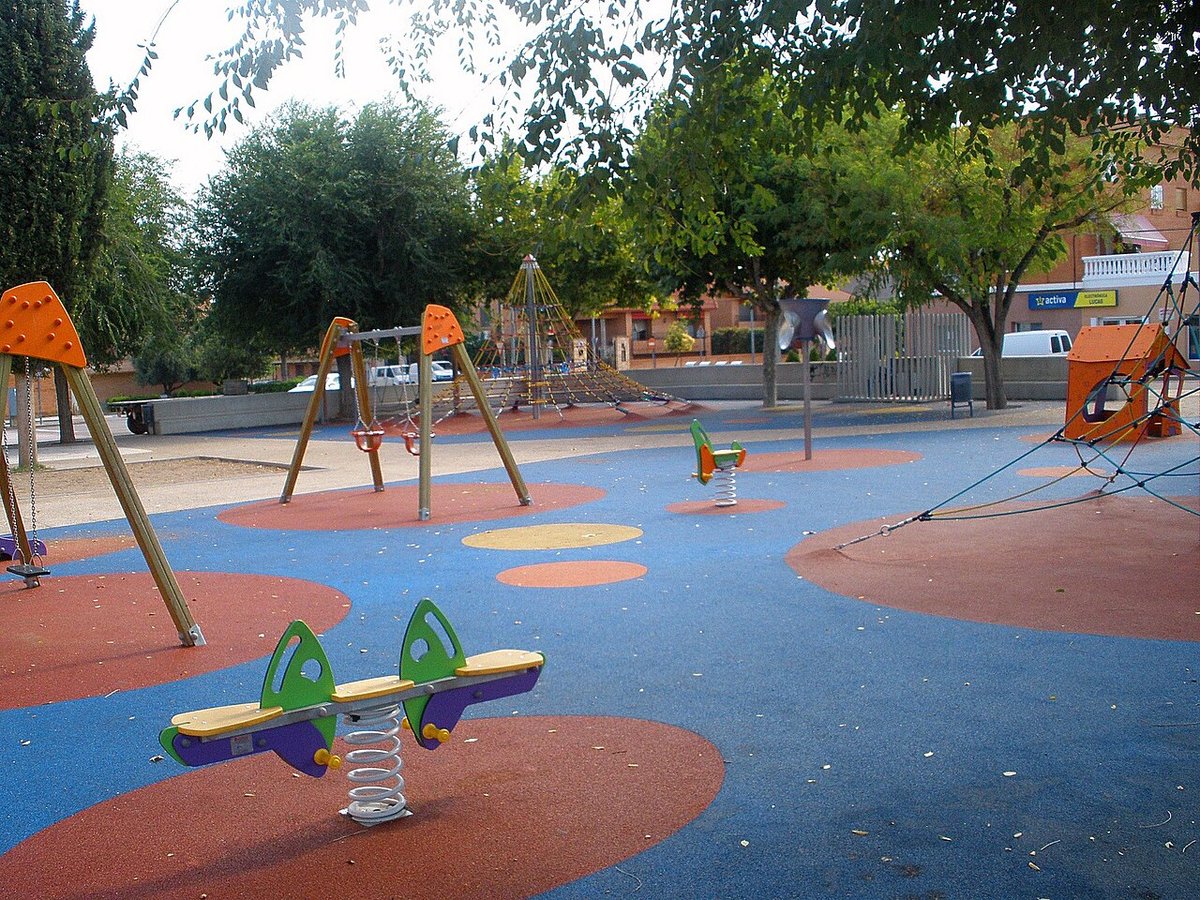
For anything more elaborate, drive twelve minutes to Daroca. Thursday market fills Plaza de España with stalls selling jamón serrano at €18 a kilo, piquant borrajas (borage) and rounds of cheese made from sheep grazed on these very plateaux. Back in Retascon, self-caterers can light village barbecues beside the playground; local rules forbid them during July-August fire season unless a municipal tap stands within ten metres.
Restaurants lie scattered among neighbouring hamlets. Casa Ramón in Villadoz (population 34) opens weekends only; its roast lamb, ternasco de Aragón, emerges from a wood oven after three hours' slow cooking. Expect to pay €22 for generous portions that defeat most appetites. Reserve by phone—signal permitting—because Ramón cooks one joint per day. When it's gone, menu reverts to migas (fried breadcrumbs with grapes) at half the price.
Festivals Meant for Returning Children
August's fiesta patronal feels less like carnival than family reunion. Houses whose shutters stay shut all year suddenly display fresh curtains. An open-air dance floor appears overnight in the plaza; a single neon arch spells "Retascon" against the church wall. At midnight teenagers link arms to dance jotas while elderly watchers tap sticks in time. Outsiders are welcome but not courted; buy a €2 raffle ticket for the pig-roast and you've joined, briefly, the collective memory.
November's Día de Todos los Santos carries a quieter charge. Families climb to the cemetery carrying chrysanthemums and plastic chairs. After graveside prayers they share almond cakes and sweet moscatel. Cloud often pools in the valley below, leaving gravestones poking through a white sea. Photographers discover high contrast drama, yet asking permission before shooting mourners isn't courtesy—it's essential.
Winter sharpens the edge of emptiness. When the cierzo wind barrels down from the Moncayo range, temperatures can lurch from 10 °C to below freezing within an hour. Pipes burst; the village fountain ices over. Those seeking solitude find it complete, but diesel cars sometimes refuse to start, and the nearest 24-hour petrol station sits forty kilometres away on the A-23. Bring blankets, not just optimism.
Why Come—and When to Turn Back
Retascon suits travellers chasing rhythm rather than spectacle. Come in late April for almond blossom and night temperatures that demand a jacket. Come in October when stubble fields glow copper under low sun and the air smells of crushed thyme. Do not come expecting gift shops or evening entertainment beyond starlight so bright it casts shadows. Mobile coverage is patchy; 4G flickers only near the church tower.
Stay two hours and you'll leave mildly puzzled why you detoured. Stay two days—walking at dawn, siesta-ing through midday heat, listening to swifts screech around the bell tower—and something different emerges: a sense of Spain measured by sowing and harvest, by how far a tractor's engine carries across empty land.
The village offers no postcard perfection; its walls crack, its population ages, its future remains deliberately un-decided. That, rather than any rustic fantasy, is exactly why some visitors find themselves slowing the car when leaving, window down, scent of warm pine drifting from the surrounding maquia. Retascon does not beckon you back. It simply continues, and for a certain kind of traveller, that continuity proves difficult to forget.