Full Article
about Riodeva
Ocultar artículo Leer artículo completo
The church bell strikes noon, and for a moment the only sound across Riodeva's single main street is a tractor engine cooling down. At 967 metres above sea level, this tiny Aragonese village doesn't announce itself with grand gestures. Instead, it offers something increasingly rare: the audible rhythm of rural Spain functioning exactly as it has for decades, minus the soundtrack of mass tourism.
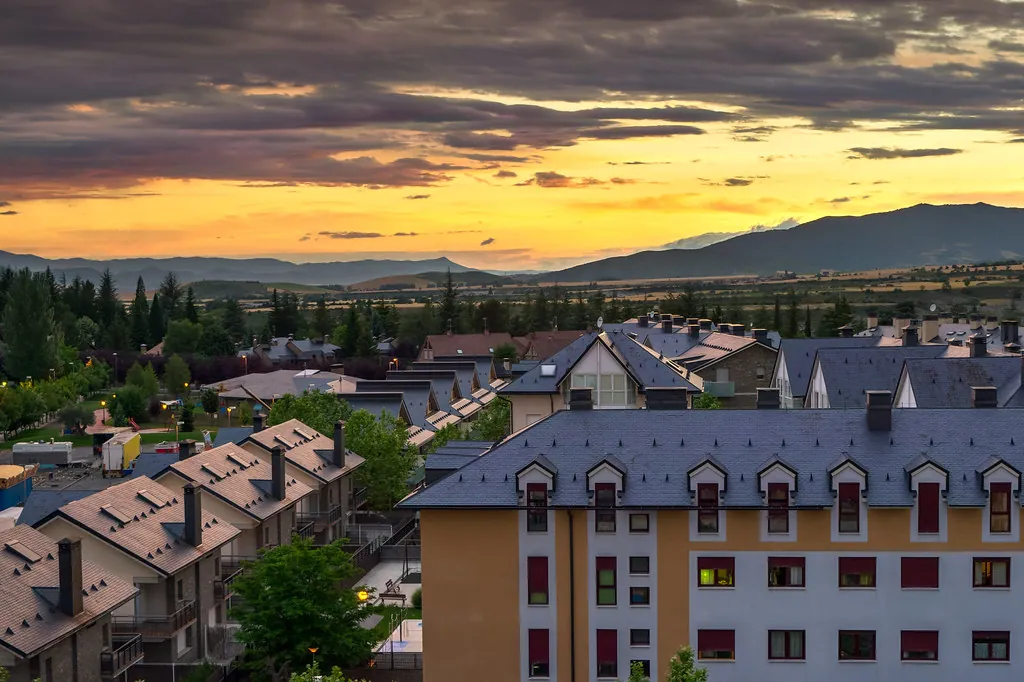
Stone houses climb the gentle slope in neat terraces, their terracotta roofs weathered to a colour that photographers chase but never quite capture on camera. The architecture isn't spectacular—it's honest. Thick walls built to withstand mountain winters, small windows positioned to catch winter sun but avoid summer heat, and doorways that still bear the family names of those who built them generations ago. Walking these streets takes twenty minutes at most, but visitors who race through miss the point entirely.
The Mountain's Daily Conversation
Riodeva sits where the Sierra de Albarracín begins flexing its muscles, creating a landscape that changes personality with each season. Spring arrives late here—often not until late April—bringing sudden explosions of green that make the stone buildings appear even more honey-coloured by comparison. Summer days burn hot and bright, but nights drop to temperatures that require a proper jacket, even in August. Autumn transforms the surrounding slopes into a mosaic of ochres and rusts that would make a Cotswold village jealous, while winter brings proper snow that can cut the village off for days.
The altitude matters more than most visitors expect. What looks like a gentle stroll on the map becomes a lung-testing expedition when you're 3,000 feet up. The air thins perceptibly, and that bottle of water you didn't think you'd need suddenly becomes essential. Local walkers set a pace that seems leisurely until you try to match it, then realise they're conserving energy for the long haul. Their advice: start early, carry more water than seems reasonable, and never trust a Spanish mountain path to be "about an hour" unless you've walked it before.
What Passes for Entertainment
The village's single bar opens at 7 am for the farmers and doesn't close until the last customer leaves, usually well after midnight. It's not a tourist facility—it's the social centre where births, deaths, and everything between gets discussed over coffee that costs €1.20 and comes with a free biscuit. The menu changes daily depending on what Teresa's cooking, but expect mountain stews thick enough to stand a spoon in, local lamb that tastes of the herbs the sheep grazed on, and vegetables that were in soil that morning.
There's no gift shop. No interpretive centre. No guided tours, unless you count Paco, who'll happily spend an hour explaining the difference between the sheep breeds you'll see on the hillsides, provided you buy him a beer. The nearest cash machine is twenty kilometres away in Albarracín, and it doesn't always work. Cards are useless here—bring actual money, preferably in small denominations, because breaking a fifty-euro note in a village where a round of drinks costs six euros requires diplomatic skills.
Walking Into Silence
The real attraction starts where the tarmac ends. A network of paths spider-web across the surrounding hills, some following Roman routes, others created by shepherds moving livestock between summer and winter pastures. The GR-10 long-distance path passes within five kilometres, but most visitors prefer the local circular routes that start and finish in the village square. These aren't manicured National Trust trails—expect rough ground, occasional confusion about which direction to take, and the constant awareness that mobile phone signal is theoretical rather than guaranteed.
Morning walks offer the best chance of wildlife encounters. Wild boar leave evidence of their night-time foraging, though seeing them requires stealth and luck. Griffon vultures circle overhead, riding thermals with wingspans that make hikers look up nervously. The occasional Iberian ibex appears on impossible cliff faces, demonstrating why evolution gave them hooves that would shame a mountaineer. But mostly, you walk through silence so complete that your own footsteps sound intrusive.
When the Village Remembers It's Spanish
August transforms everything. The population quadruples as former residents return for the fiesta, creating a temporary metropolis of 500 souls. The single street becomes impassable to vehicles as tables appear for communal meals, and the village square hosts concerts where the volume seems inversely proportional to the number of musicians. Fireworks echo off the surrounding hills at midnight, and the bar runs out of beer by Wednesday, requiring an emergency supply run to Teruel.
These celebrations aren't staged for visitors—they're family reunions that outsiders can observe, provided they remember they're guests. The religious procession at dawn might seem quaint until you realise everyone's carrying candles because they're related to the statue's original donor. The paella cooked in a pan three metres wide tastes better partly because 83-year-old María supervised the seasoning, and partly because you helped stir it for two hours while learning about her grandson's engineering studies in Zaragoza.
The Practical Reality Check
Getting here requires commitment. From Teruel, the regional capital with the nearest train station, it's 55 kilometres of mountain driving that takes ninety minutes if you value your suspension. The road climbs, drops, and climbs again through scenery that makes the journey worthwhile, but it's not for nervous drivers. Winter travel demands snow chains between November and March, and hiring a car becomes essential public transport doesn't reach here.
Accommodation options are limited to three rural houses, all converted from traditional buildings with varying degrees of sensitivity. Casa Rural La Fuente has proper central heating and Wi-Fi that works most days, costing €80 per night for two people. The others are cheaper but require accepting that hot water might be solar-dependent and internet access involves walking to the square. Booking ahead isn't just recommended—it's essential, because turning up hoping for a room means a forty-kilometre drive to the nearest alternative.
The village shop opens for three hours each morning, selling basics like bread, tinned goods, and local cheese that tastes nothing like the supermarket version. Fresh produce comes from the Tuesday market in Albarracín, meaning self-caterers need to plan ahead. The nearest restaurant is fifteen kilometres away, and it closes on Mondays, Tuesdays, and whenever the owner's mother-in-law visits from Valencia.
Riodeva doesn't offer Instagram moments or bucket-list experiences. Instead, it provides something increasingly precious: proof that rural Spanish life continues regardless of tourism trends, where conversations happen face-to-face rather than through screens, and where the mountain landscape sets rhythms that smartphones can't override. Those who arrive expecting entertainment leave disappointed. Those who come prepared to slow down, listen, and participate discover why 136 people choose to live at the end of a mountain road, maintaining traditions that predate package holidays by several centuries.