Full Article
about Rueda de Jalon
Ocultar artículo Leer artículo completo
The church bell strikes noon and nobody moves. Not the two men sharing a cigarette outside the only open bar, nor the woman hanging washing three storeys up. In Rueda de Jalón, midday is a suggestion, not a deadline. This is a village where the loudest sound is often the wind turning the pages of a discarded Heraldo de Aragón in the plaza.
Three hundred and seventeen residents live in the folds of Valdejalón valley, 45 minutes north-east of Zaragoza along the A-2 and then a hop onto the N-122. Motorists shoot past the slip-road, bound for the wine towns of Cariñena or the monasteries of Calatayud, which explains why Rueda de Jalón still greets visitors with blank curiosity rather than a rack of multilingual menus. The closest most day-trippers get is the petrol station at Velilla, four kilometres away, where you can buy a better croissant than in half of London.
Stone, Adobe and the Smell of Thyme
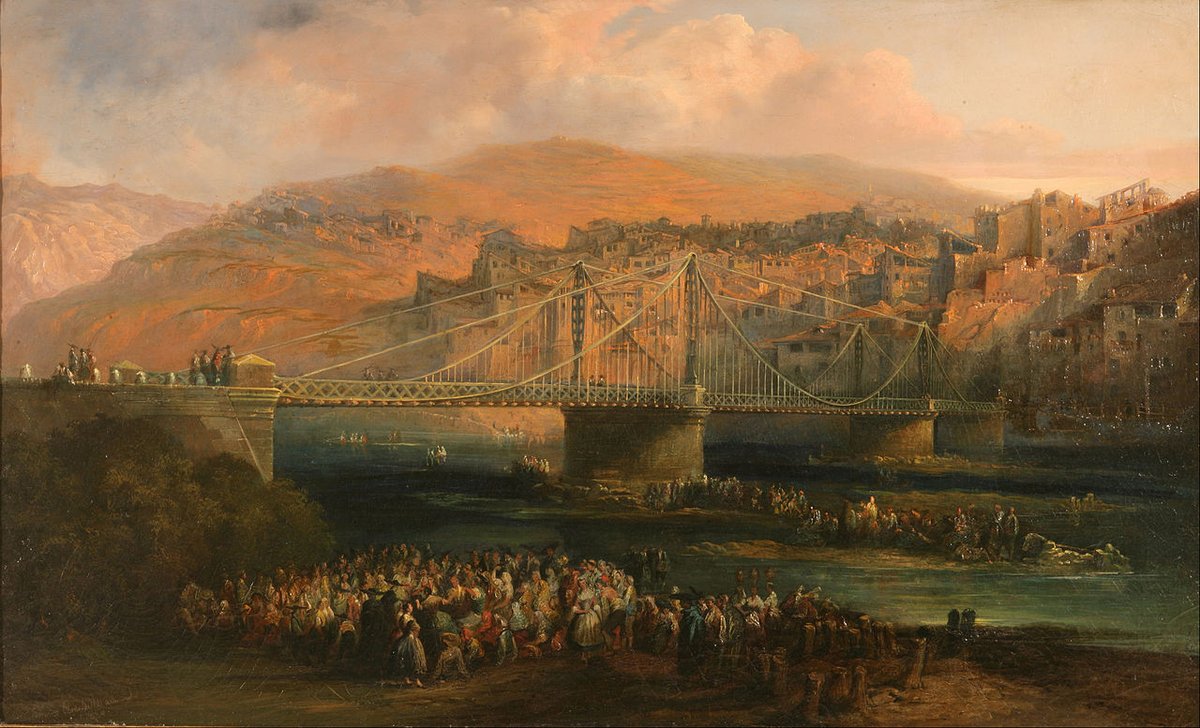
Park where the tarmac gives up, just before the 17th-century stone trough. The streets were designed for mules, not SUVs; wing mirrors graze adobe walls the colour of weak tea. Houses grow out of the ground they stand on – clay tiles, timber beams blackened by centuries of grain dust, the odd bit of Roman brick recycled from who-knows-where. Look up and you will see a stork’s nest balanced on a chimney, adding its own cement of twigs and luck.
The parish church of San Martín commands the highest lump of rock, a squat fortress with a single nave and a bell-tower that leans slightly west, tired after four hundred years of prevailing winds. Inside, the air smells of candlewax and thyme left by village women on the altar rail. A 14th-century wooden virgin surveys the pews; someone has knitted her a new pair of hands. There is no ticket office, no audio-guide, no rope. Drop a euro in the box if the door is open – otherwise come back after siesta.
Walk southwards and the houses thin out into lanes barely wider than a wheelbarrow. Adobe dissolves into kitchen gardens: broad beans, fennel, a rogue artichoke flowering purple. An elderly man offers a fistful of mint sprigs; his Spanish is peppered with Aragonese endings that would make a Valladolid academic blink. Accept, say gracies, and he will point you towards the old threshing floor where young couples now practice salsa steps on summer nights.
Flat Land, Big Sky, Slow Legs
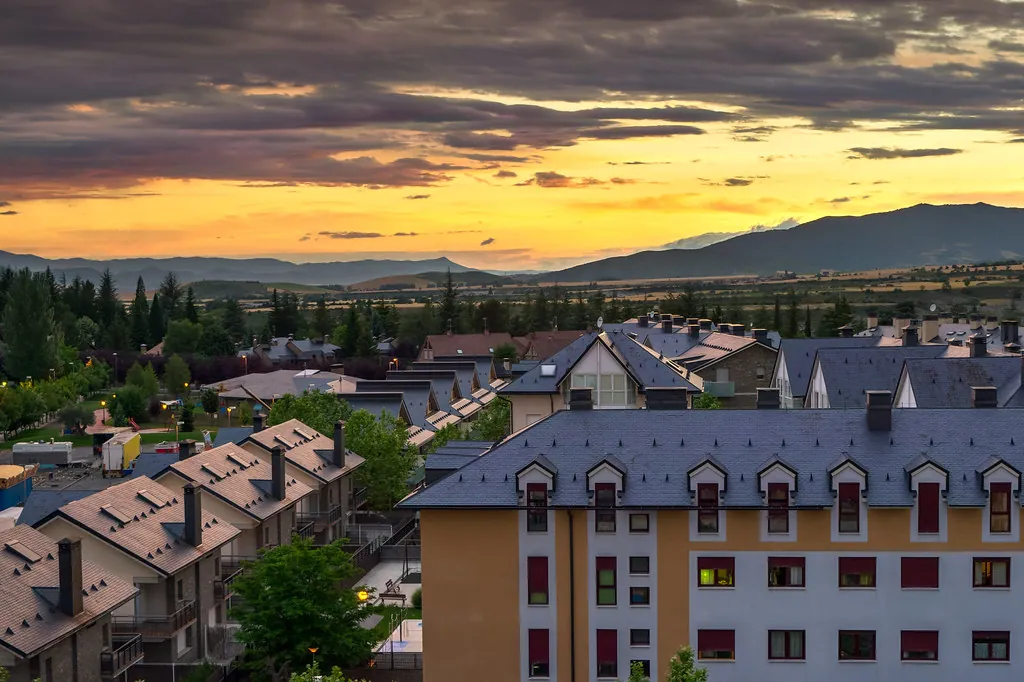
The valley of the Jalón river is wheat-and-sunflower country, not Instagram mountain drama. The horizon sits forty kilometres away, interrupted only by the occasional masada – a stone granary on stilts that once kept rats out of the barley. Cycling here feels like freewheeling across the top of Spain: lanes are paved, traffic is negligible, yet shade is rationed. Carry two litres of water between May and October; the nearest fountain is back in the village and the fields shimmer like hot glass.
Hiking options are gentle rather than heroic. A signed footpath strikes east towards Ambel (population 380), crossing an iron railway bridge where freight trains carry Murcian lettuce to northern Europe. The river itself is a modest affair in summer – more pebbles than water – but kingfishers still stitch fluorescent flashes between the tamarisks. Allow two hours there, two back, plus whatever time you spend arguing about whether the heron you just saw was purple or merely damp.
Spring brings the spectacle of green breaking through red: poppies splashed across cereal stripes, the smell of wet earth after a shower that lasted exactly seven minutes. Autumn is harvest dust and the low sun turning every puddle into a mirror. Mid-August? Best left to lizards and the hardier agricultural contractors.
Lunch at the Speed of Clay
There is one restaurant, Casa Angulo, open Thursday to Sunday. Its dining room seats thirty-five if everyone breathes in. The menu is chalked on a blackboard and never changes much: roast kid with bay leaves, migas fried in the fat of the same animal, a tomato salad sharp enough to make your gums tingle. Wine comes from a cooperative in nearby Epila; the white is chilled until the glass clouds, the red tastes of sun-baked garnacha and costs €2.10 a glass. Pudding is either cuajada (ewe’s-milk curd with honey) or nothing – choose wisely.
Weekend lunch starts at 14:30 sharp, because the cook wants to be home for the bullfight on television. Arrive late and you will get what is left, which might still be better than most city tapas tours. Vegetarians can cobble together a meal of side dishes; vegans should pack sandwiches.
If the door is locked, try the bar attached to the grocery. They will make you a bocadillo of chorizo de criadilla (don’t ask, just chew) and pour a beer while the owner’s wife rings your items through the till: stamps, ibuprofen, embroidery thread, a souvenir tile of the Virgin that says Recuerdo de Rueda. Total €8.45, paid in cash because the card machine died in 2019.
When the Village Remembers It Has a Sound System
Festivities explode in late July when emigrants flood back from Zaragoza, Barcelona, even Swindon. The population quadruples; cars line the wheat stubble like coloured beads. Brass bands play pasodobles at 03:00, teenagers drink kalimotxo from two-litre plastic bottles, and the church square becomes an open-air ballroom sticky with spilt Fanta. If you crave sleep, book a room in Calatayud. If you crave authenticity, bring earplugs and dance.
Holy Week is quieter: two processions, one on Maundy Thursday, one on Good Friday, both lit by handmade beeswax torches that drip onto the cobbles. Locals keep silence until the statue of the Virgin passes, then break into a spontaneous saeta – a flamenco-tinged lament that cracks the night open. Visitors are welcome, provided shoulders are covered and mobile phones stay in pockets.
Getting There, Getting Away
No train stops here. The nearest Renfe station is in Calatayud, 28 kilometres west, linked by a bus that runs once daily except Sundays, when it does not run at all. Hire a car in Zaragoza – €35 a day if you pre-book, plus whatever the sat-nav tries to charge for leaving the ring-road. Fuel is cheaper at the supermarket pumps on the outskirts; stock up before you head into the valley.
Accommodation within the village limits amounts to two self-catering cottages, booked through the ayuntamiento website (Spanish only, reply within 48 hours). Both have Wi-Fi fast enough for Zoom, ceilings low enough for a six-footer to bang his head, and roofs that keep the August heat imprisoned until 02:00. Price €60 a night, minimum two nights, bring your own coffee. Anything grander – pool, minibar, trouser-press – lies twenty minutes away in the wine-scented town of Cariñena.
Leave the Souvenir, Take the Thyme
Rueda de Jalón will not change your life. It offers no castle to storm, no Michelin star to chase, no fridge magnet to prove you were here. Instead it offers the minor miracle of a place that carries on being itself while the rest of Spain markets its soul by the square metre. Walk the fields at dusk when the sun bruises the horizon, and you will understand why some of the 317 still return every Christmas, even after forty years earning London wages. They come back for silence you can lean against, for bread that tastes of the field you just crossed, for neighbours who remember your grandfather’s nickname and dare you to forget it.
Visit in spring, when the storks clatter atop the church and the night air smells of blossom and cold clay. Stay two days, three if you need reminding that clocks are optional. Then drive away slowly: the wheat does not care how soon you reach the motorway, and neither, secretly, do you.