Full Article
about Sabinan
Ocultar artículo Leer artículo completo
The church tower appears first. Not dramatically—just a blunt rectangle of stone rising above almond orchards as the A-2 motorway gives way to country lanes. At 451 metres above sea level, Sabiñán sits low enough for olives yet high enough to catch the morning mist that drifts along the Jalón valley. No coach parks, no multilingual signage, just a village that happens to be there when you arrive.
A Grid for Growing, Not for Showing
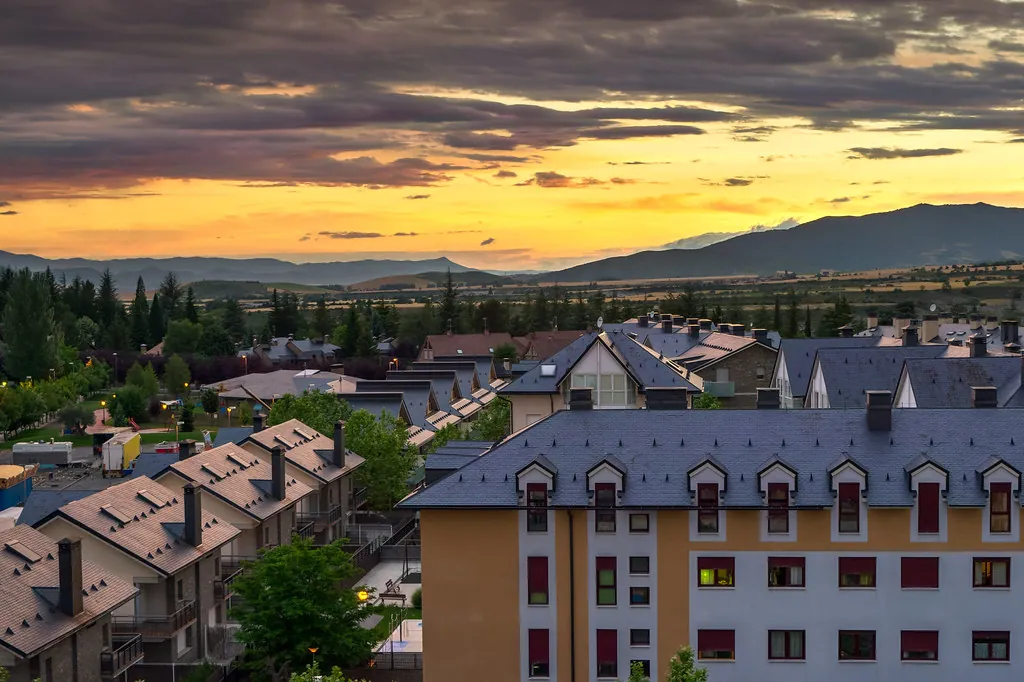
Sabiñán’s streets follow the agricultural calendar more than any tourist map. Wheat stubble glints between houses; a tractor reverses out of what looks like a residential cul-de-sac. The 675 inhabitants still outnumber second-home owners, so curtains twitch for neighbours, not for visitors. Stone and adobe walls show where generations patched, extended, or simply gave up—honest masonry that would make a conservation officer weep and a photographer linger.
The parish church, rebuilt after the 1936-39 war, keeps its neoclassical façade plain. Inside, the retablo glitters with gilt but the real curiosity is the side chapel: a 1940s mural of Aragonese farm labourers where saints would normally stand. It’s the only explicit nod to politics you’ll find; the village prefers to argue about irrigation rotas instead.
Walk the grid at 7 pm on a weekday and you’ll share the pavement with men heading for the bar, women clutching plastic shopping bags from Calatayud’s Mercadona, and children who still think the street is a football pitch. Cars edge round them; nobody honks. The volume rises after the harvest, drops during sowing, and almost disappears in the hush of January when only the almond blossom breaks the monochrome.
What the Fields Sound Like
Leave the centre by any track and within five minutes the village noise is replaced by irrigation water gurgling through concrete channels. Vineyards dominate the middle slopes—Garnacha vines trained low to the ground so the grapes can soak up reflected heat. Between rows, farmers have planted garlic; the smell follows you for kilometres. Higher up, where the soil turns thin and chalky, rosemary and thyme take over, scenting the air every time a boot brushes past.
Cycling is easier than walking; the farm lanes are graded for tractors, not hikers. A 12-kilometre loop north-east reaches the ruins of a Roman kiln, then drops back to the river. Take water—there’s no bar, no fountain, and summer shade is theoretical. Spring brings green wheat that waves like the sea; autumn sets the vines on fire with reds that outdo any souvenir postcard. Both seasons deliver 20 °C afternoons and cool bedrooms, ideal if you dislike air-conditioning.
Winter sharpens the valley. Frost feathers the windows of stone cottages; woodsmoke hangs at collar height. Daytime highs of 8 °C feel colder in the wind tunnel of the Jalón, but the reward is silence so complete you can hear your own pulse. Access stays straightforward—rare snow melts within a day—yet hotels drop their rates by half and the single pension often closes. Check before you set out.
Eating What the Land Threw at the Pot
Sabiñán’s gastronomy is dictated by what needed eating, not what photographs well. At the only full-service restaurant, the menú del día costs €12 mid-week and arrives on dented metal plates: migas fried in chorizo fat, a lamb shoulder that collapses at the sight of a fork, and wine from the cooperative down the road. Pudding is often arroz con leche thick enough to stand a spoon in. Vegetarians get eggs—usually in a potato tortilla the diameter of a wagon wheel.
Supper options shrink after 9 pm. The bar next to the church serves tapas until the cook’s mother finishes her game of cards; order the marinated quail if you see it written on the whiteboard. Otherwise, buy bread from the morning van, local cheese from the petrol-station counter, and assemble a picnic while the owner tops up your car.
DO Calatayud bottles—Garnacha again—start at €4 in the village shop. They’re closed between 2 and 5, like almost everything except the pharmacy. British visitors sometimes expect Spanish villages to keep seaside hours; here, siesta is not folklore but a defence against July heat that touches 38 °C.
When the Village Remembers It Has Guests
August fiestas turn the main square into an open-air kitchen. A cauldron of caldereta (lamb stew) simmers from dawn on the 15th; by 11 pm half the population is dancing a jota on the same spot. Visitors are welcome but not announced; buy a raffle ticket from the woman with the clipboard and you’ll be assumed to belong to someone’s cousin. Fireworks finish by 1 am—agriculturalists need their sleep.
Smaller gatherings happen around the vendimia in late September. The cooperative offers free grape-juice tastings and tours that explain why mechanical harvesters can’t cope with these slopes. Numbers rarely exceed thirty; turn up at 10 am and you’ll get in. British walkers sometimes arrive expecting a Bristol-style harvest festival; instead they find chemical analysis charts and a sober discussion about acidity levels. Take notes if you grow your own grapes back home.
Beds, Buses and Other Loose Ends
Accommodation comes down to Pension El Ralla, three rooms above a household-goods shop. Beds are firm, Wi-Fi patchy, and the shower fits one careful adult. At €35 a night including toast-and-coffee breakfast it undercuts anything within 40 kilometres, but it closes without warning when the owner visits grandchildren in Zaragoza. Ring ahead—her English is limited, yet she recognises a British mobile code and will reply “Sí, habitación” or “No, fin de semana”.
Public transport exists on Tuesdays and Fridays: a Calatayud bus that leaves Sabiñán at 6:45 am and returns at 2 pm, timed for pensioners’ hospital appointments. Car hire from Zaragoza airport takes just over an hour via the A-2; petrol is cheaper at the supermarket in La Almunia, 20 km west. Park on the edge of town—lanes narrow to single-track with stone gutters that relish alloy wheels.
Mobile coverage is 4G on the main street, GPRS in the fields. Download your maps before you leave the bar. Cash still rules; the nearest ATM is in Maluenda, 12 km away, and it charges €2 per foreign withdrawal.
Leaving Without a Souvenir
Sabiñán won’t sell you a fridge magnet. The closest thing to a souvenir is the bottle of cooperative wine you label yourself with a felt-tip pen, or the sprig of rosemary you tuck into a pocket and find weeks later, still scented. That’s the point. The village doesn’t need to be “discovered”; it needs to keep farming, irrigating, harvesting, and occasionally nodding at whoever appears with walking boots and a question about lunch. Visit on those terms and the tower will still be visible when you drive away, blunt against the sky, indifferent and somehow reassuring.