Full Article
about Sahun
Ocultar artículo Leer artículo completo
The road to Sahún climbs past Graus and keeps climbing. By the time you reach the village at 1,135 metres, the air thins and the valley floor drops away behind you. This isn't a gentle introduction to mountain life—it's where the Pyrenees start demanding respect.
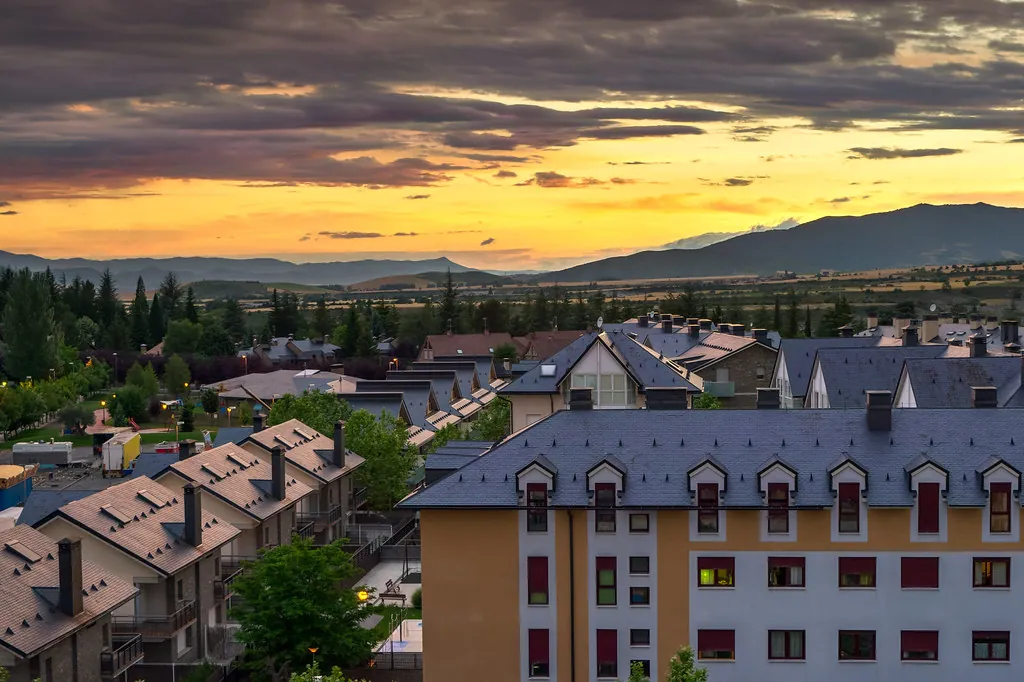
Sahún sits at the upper end of the Ribagorza region, where the Benasque valley narrows and the serious peaks begin. Three hundred residents remain year-round, enough to keep the village alive when winter locks in and the weekenders retreat. The stone houses with their slate roofs aren't museum pieces. Smoke rises from chimneys, washing hangs from balconies, and the butcher knows his customers by name.
The Working Mountain
Unlike the chocolate-box villages nearer the coast, Sahún never transitioned to full-time tourism. Cattle still outnumber visitors most months. The sound of cowbells isn't atmospheric background noise—it's the soundtrack of an economy that depends on grazing rights and seasonal movement of livestock. Between May and early July, shepherds drive their animals up to higher pastures in a practice that shapes both the landscape and the village calendar. It's not organised for tourists. Those who happen to be walking the tracks at dawn might encounter a herd moving valley-wards, dogs working, families helping. Stand clear and let them pass.
The village architecture reflects this practical heritage. The 12th-century church of San Pedro anchors the upper streets, modified over centuries but still recognisably Romanesque in its bones. Nearby houses carry coats of arms, evidence of families who prospered enough from mountain agriculture to build in stone rather than timber. Their wooden galleries and iron balconies aren't restored—they're maintained, generation after generation.
Walking the narrow lanes reveals the difference between places that survive on tourism and those that endure through work. Vegetable plots occupy every flat space below the village centre. Woodpiles stack against house walls, sized for specific stoves and measured against winter experience. The bar opens early for workers, not late for holidaymakers.
Walking Country
Sahún functions as a gateway to serious mountain terrain. Several waymarked paths start from the village, ranging from valley strolls to full-day routes connecting with the longer-distance GR trails. The gentle options follow the river through mixed woodland, suitable for families with sturdy shoes. More ambitious walkers can head towards the glacial lakes scattered through the higher valleys, though these require proper equipment and early starts.
The transition from managed landscape to wilderness happens quickly. Within an hour's climb, stone walls give way to natural forest. Beech and pine dominate the lower slopes, thinning to alpine meadows where wildflowers bloom briefly in late spring. The birdlife changes with altitude—vultures ride thermals above the ridges while smaller species flit through the undergrowth below. Binoculars help, but patience matters more. The elusive wood grouse demands silence and luck in equal measure.
Weather changes fast. Morning clarity can dissolve into afternoon storms that make navigation treacherous. Local advice isn't optional here. The estate agents in Benasque, ten kilometres up the valley, maintain current information on trail conditions and weather forecasts. They'll tell you straight if your planned route exceeds your experience or equipment.
What You'll Eat
The village's two restaurants serve food designed to fuel mountain work rather than impress food writers. Expect robust portions of local beef, grilled simply and served with vegetables from nearby gardens. The trout from mountain streams appears when available, delicate and lightly cooked. Stews dominate winter menus—thick concoctions based on chickpeas, local sausages and whatever the hills provide that week. Mushrooms feature heavily in autumn, picked under licence and bought daily from foragers.
Breakfast means strong coffee and hearty portions. The local cheese, made from cows' milk, arrives young and mild or aged and sharp depending on the season. Honey from village hives sweetens desserts that wouldn't look out of place in a farmhouse kitchen fifty years ago. Wine comes from lower valleys—the altitude here challenges grapes too much.
Prices remain reasonable, reflecting local wages rather than tourist premiums. A three-course lunch runs €12-15, substantial enough to eliminate the need for dinner. Evening meals stay simple. This isn't the place for culinary innovation, but the cooking carries the confidence of recipes tested through generations.
The Practical Reality
Reaching Sahún requires commitment. Fly to Barcelona or Zaragoza, collect a hire car, and drive three to four hours into increasingly serious mountains. The final stretch from Graus winds through terrain that demands attention—lorries use these roads, and the drops are unforgiving. Public transport exists in theory but functions so irregularly that relying on it courts disaster. A car isn't optional for exploring beyond the village.
Accommodation options remain limited. Two apartment complexes offer self-catering units, clean and functional if hardly luxurious. One owner speaks enough English to handle bookings and emergency queries. Most visitors base themselves in Benasque, larger and better equipped but lacking Sahún's authenticity. Winter bookings require heating confirmation—temperatures drop well below freezing and snow can isolate the village for days.
Cash matters more than cards. The village shop, bakery and bars operate on thin margins that can't absorb bank charges. Stock up on essentials before arriving—the local store carries basics but specialist items require the journey back to Graus. Mobile phone coverage varies by network and weather. The mountains block signals unpredictably.
Summer brings weekend crowds from Zaragoza and Barcelona, enough to fill the bars and raise noise levels. August especially transforms the village, with fiestas that continue late and streets that buzz with activity. The rest of the year reverts to mountain rhythms—early nights, quiet streets, and weather that dictates daily plans. Winter visitors need proper gear and realistic expectations. Blizzards close passes, and the village can feel isolated despite its road connection.
Sahún offers neither dramatic sights nor luxury amenities. What it provides instead is access to mountain life that continues regardless of tourism trends. The peaks surrounding the village have seen Roman legions, medieval traders, and modern hikers. They'll see others after we've gone. Visiting means accepting a minor role in a longer story—one measured in seasons rather than holiday weeks, and in the slow accumulation of days that build a life in high places.