Full Article
about San Esteban de Litera
Ocultar artículo Leer artículo completo
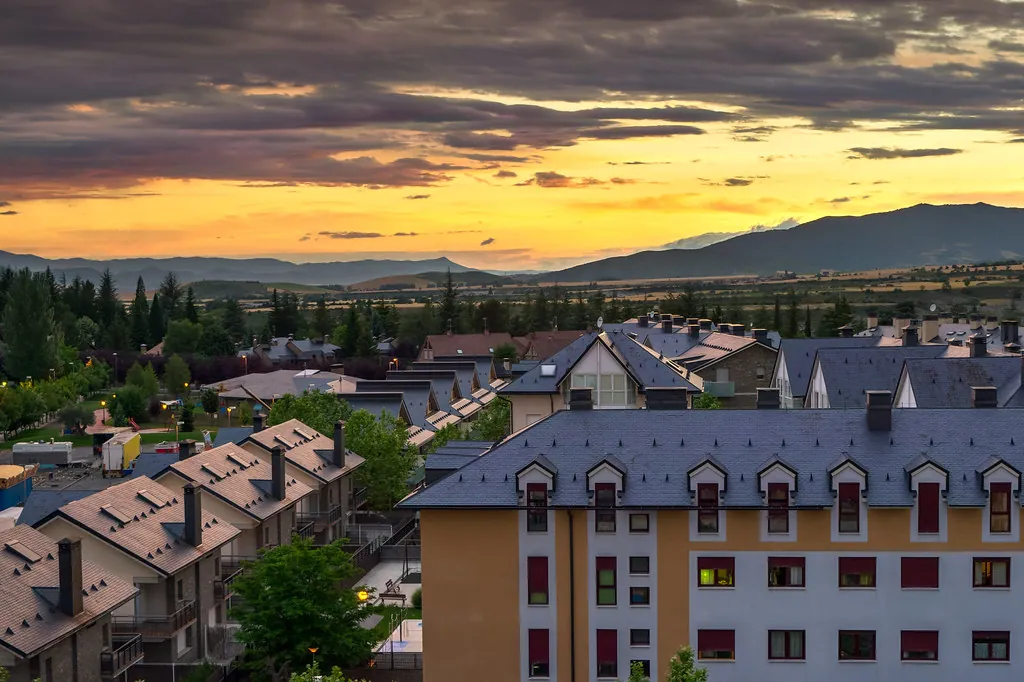
The morning light hits the almond orchards first, turning them white-pink against soil the colour of burnt toast. From the village's highest point—merely 420 metres, though it feels higher when the wind carries dust from recently harvested wheat fields—the Pyrenees appear as a jagged promise on the horizon. San Esteban de Litera doesn't do drama. Instead, it offers something increasingly rare: a Spanish village where tourism hasn't rewritten the script.
The Arithmetic of Small Places
Six hundred and twenty souls spread across stone houses that lean together like old friends sharing secrets. The maths works differently here. A population of 620 means everyone knows whose grandmother planted which almond tree, which family still hand-harvests their olives, and why the bakery opens at 6:30 am sharp except on Thursdays. British visitors expecting Costa-style amenities will need recalibration. There's no cash machine, the single bar doubles as the social centre, and lunch happens at 2 pm whether your stomach agrees or not.
The village sits where Pyrenean foothills surrender to Ebro Valley plains, a transition zone that dictates everything from soil composition to breakfast conversations. Dryland farming dominates—wheat, almonds, olives—though irrigation channels built during less climate-stressed times snake through selected plots. The result resembles a patchwork quilt sewn by someone who couldn't decide between beige and brown, until February arrives and almond blossoms repaint the landscape in watercolours.
Walking Through Layers Someone Else's Grandparents Built
The parish church of San Esteban stands solid rather than spectacular, its walls incorporating Roman stones, medieval mortar, and 19th-century repairs following the Civil War. No audio guides here—just push the heavy wooden door and step into cool darkness that smells of wax and centuries. The altar's nothing special. The silence is.
Wander the handful of streets and architectural treasures reveal themselves slowly. A stone doorway carved with symbols that predate the building it adorns. Iron balconies where geraniums survive despite summer temperatures that regularly breach 35°C. Houses built from whatever materials came to hand—local stone downstairs, brick above, wooden beams that have warped into gentle smiles across three hundred years.
The old town centre covers perhaps ten minutes of walking, assuming you don't stop to examine the medieval grain storage slots built into house walls, or chat with the woman who sells eggs from her backyard chickens (€2.50 per dozen, bring your own carton). Photography works better here than in many Spanish villages because nobody's restored the life out of the buildings. Stone remains stone. Paint flakes when it wants to. Authenticity isn't a marketing word—it's simply what remains when nobody's bothered to fake anything.
When the Land Dictates the Menu
Forget seafood paella. San Esteban's cuisine evolved from what grows locally and what survives the climate. Lentils from nearby farms form the base of hearty stews that appear on every family table during winter. Almonds feature everywhere—ground into sauces, pressed into oils, candied for festivals. The local olive oil carries a peppery bite that makes supermarket versions taste like dishwater.
The village bar serves as restaurant, meeting point, and information centre. Order the menú del día (weekdays only, €12 including wine) and you'll eat whatever María decided to cook that morning. Perhaps migas—fried breadcrumbs with garlic and grapes—or perhaps a stew that someone's grandmother would recognise. Vegetarian options exist, though explaining vegan requirements might require diagrammatic assistance and considerable patience.
Summer eating happens late. Very late. Kitchens fire up around 10 pm when temperatures drop to merely uncomfortable. British stomachs rumbling at 7 pm should stock up at the bakery—open 6:30-1:30, closed Thursday afternoons—or learn the Spanish art of merienda, that late-afternoon snack that bridges the gap between lunch and dinner.
Seasons Measured in Blossoms and Harvests
February and March transform the village. Almond orchards explode into bloom, creating a natural spectacle that draws photographers and painters from Zaragoza and Barcelona. The blossoms last approximately three weeks, timing dependent on winter rainfall and capricious spring winds. Visit during this window and you'll share the village with perhaps thirty other outsiders. Miss it and you'll need imagination to picture the transformation.
Summer brings different rhythms. Temperatures soar, activity shifts to dawn and dusk, and the village population swells slightly as children return from university cities. August hosts the fiesta mayor—three days of concerts, traditional dancing, and communal meals that spill into cobblestone streets. Accommodation fills up with returning emigrants and their extended families. Book early or prepare to drive twenty kilometres to the nearest hotel.
Autumn means harvest. Olives shake from trees onto nets spread across orchards. Wheat fields turn golden then disappear under combine harvesters. The air smells of dry earth and diesel, an oddly comforting combination that signals another year's survival. Winter follows quickly—temperatures drop to freezing, the village quiets further, and those Pyrenean views become sharper under crystalline skies.
Getting There, Staying There, Leaving Again
Reaching San Esteban de Litera requires commitment. From Zaragoza, drive north on the A-23 for 90 minutes, then navigate smaller roads that demand attention and occasional reversing when encountering tractors. Public transport exists in theory—a twice-daily bus from Huesca that takes two hours and requires precise timing. Hire cars prove essential for exploring surrounding villages, each with their own micro-culture and almond-based specialities.
Accommodation options remain limited. The village offers two rental apartments, both converted from family homes and bookable through the town hall website (Spanish language skills helpful). Alternatively, stay in nearby Fraga or Tamarite de Litera, both twenty minutes drive and offering actual hotels with actual reception desks. The distance matters less than you'd think—San Esteban rewards morning visits when light hits the orchards just so, and evening returns when the church bell marks another day survived.
Leave before you understand too much. This village works because it hasn't been explained to death. The almond blossoms don't need interpretation boards. The stone houses don't require audio commentary. San Esteban de Litera offers something increasingly precious: the chance to witness Spanish rural life continuing on its own terms, indifferent to whether visitors comprehend its rhythms or simply pass through, slightly changed by the encounter with a place that never asked to be understood in the first place.