Full Article
about San Mateo de Gallego
Ocultar artículo Leer artículo completo
The irrigation channels still run parallel to every street in San Mateo de Gállego, fed by the river that gives the village its name. Built by Moorish farmers twelve centuries ago, these miniature aqueducts divide front gardens from vegetable plots, carrying meltwater from the Pyrenees through marrow patches and rows of artichokes. On market day you'll see locals filling plastic jugs—free, cold, and tasting faintly of stone and snow.
A village that feeds Zaragoza
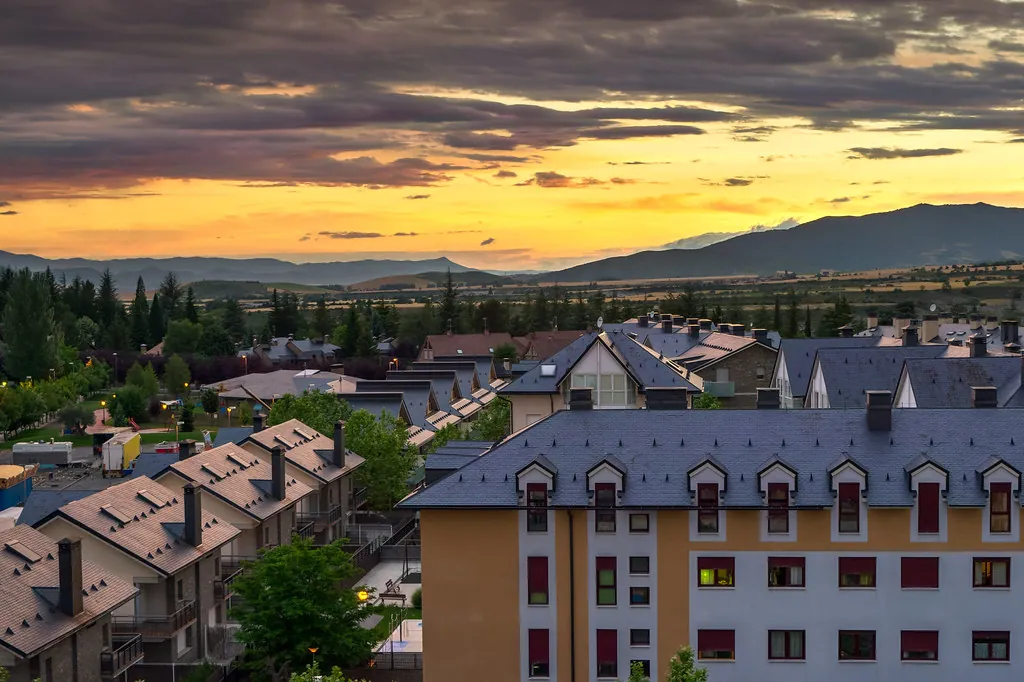
At 281 metres above sea level, San Mateo sits on the first rise of land north-west of the capital, close enough that commuters beat the morning traffic yet high enough to catch a breeze when the Ebro plain turns furnace-hot in July. The 25-minute drive from Zaragoza airport threads across flat orchards of peach and cherry before the road lifts gently and the air sharpens. Olive groves replace irrigation canals; the Sierra de Alcubierre looms on the horizon like a rumpled brown blanket.
This is market-garden Spain, not the postcard south. The 5,000 inhabitants supply much of Aragon's tomatoes, lettuces and the sweet, thin-skinned onions that arrive in Borough Market labelled simply "Spanish". Walk the lanes at 7 a.m. and white vans bounce past stacked with plastic crates, heading for the wholesale depots on Zaragoza's ring road. By 9 a.m. the village is quiet again, shutters half-closed against the sun, the only sound a tractor reversing into a barn that smells of diesel and damp earth.
What you won't find on the tourist map
There is no castle, no medieval synagogue, no Gaudí oddity. The church of San Mateo Apostol is handsome in the plain way Aragonese churches are: thick walls, a single bell tower, carved grapes and wheat sheaves around the door. Inside, the temperature drops ten degrees; someone has left a vase of dahlias beneath a polychrome statue of the patron saint holding a carpenter's square. You can see it all in five minutes, which is rather the point.
The real attraction is the grid of farmhouses between the main road and the river. Each is built from the same honey-coloured stone, but no two roofs match. Some sport satellite dishes, others stork nests; one has turned its front stable into a micro-brewery selling amber ale at €2.50 a bottle. Peer over a low wall and you'll probably be invited in to inspect the tomatoes. Accept—refusing is considered rude, and you may leave with a carrier bag of cucumbers you didn't ask for.
Walking without the crowds
From the church square, Calle Mayor becomes a dirt track that reaches the Gállego in ten minutes. The river is wide and shallow here, braided into channels by gravel banks where children build dams while parents picnic in the poplar shade. A 4-km loop follows the inside of an old ox-bow, flat enough for pushchairs and signed only with occasional wooden posts. Kingfishers flash turquoise in the reeds; in September the air smells of fermenting figs that have dropped from overhanging trees.
If you want something stiffer, drive ten minutes towards the village of Cuarte and park at the foot of the Mallos de Riglos. These 300-metre ochre pinnacles look like broken cathedral spires and attract serious climbers; an easy footpath threads beneath them to a mirador where vultures circle at eye level. The round trip takes two hours, requires no technical gear, and finishes at the only bar for miles that serves ice-cold claras (lager with lemon) on a terrace facing the rock.
Eating what the fields produce
Spanish villages have a reputation for pork-heavy menus, but San Mateo leans on its vegetables. The set lunch at Bar Gallego—€14 mid-week—starts with a bowl of borrajas (borage) stewed into something resembling spinach but tasting faintly of cucumber. Next comes migas: fried breadcrumbs, yes, but bulked out with peppers and onion so sweet you wonder why Britain wastes them on mirepoix. The chuletón is there if you insist, but the vegetarian option of pisto (a chunky ratatouille) is lighter and, frankly, more honest to the place.
Evening meals run late by British standards—kitchens fire up at nine—so plan accordingly. Tables fill first at Pizzería El Parque on Plaza España, not because locals crave dough but because it's the only restaurant licensed to stay open past midnight at weekends. Their thin-crust Parma ham pizza is decent, though the real draw is the €9 carafe of locally pressed peach juice cut with cava. Drink two and you'll understand why the square empties slowly, gossip stretching until the thermometer finally drops below 25 °C.
When things go wrong
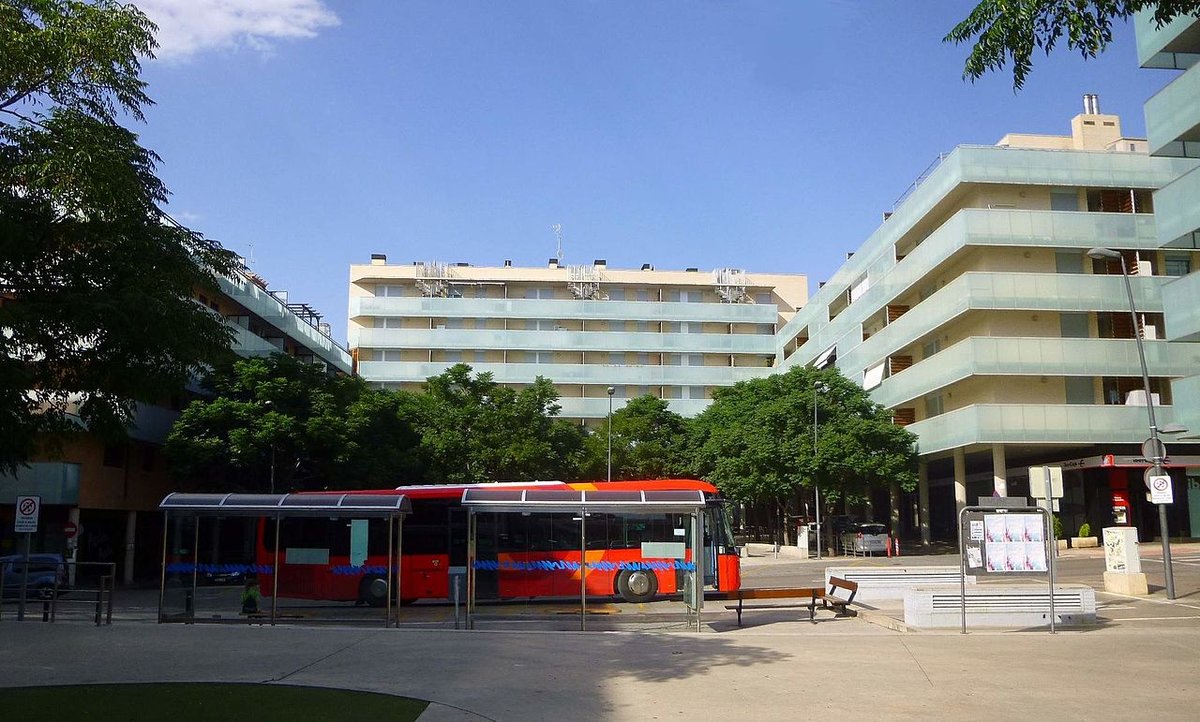
San Mateo is quiet to a fault. Turn up on Monday and you'll find the bakery shut, the butcher shut, even the cash machine out of order because the single branch bank takes its weekly holiday. Public transport is a school bus at 7.15 a.m.; miss it and a taxi from Zaragoza costs €45 if you can persuade the lone driver to make the trip. In August the mosquitoes breeding in the irrigation ditches turn vicious after dusk—pack repellent or dine indoors.
The village fiestas at the end of September bring brass bands and fairground rides that block the main street, but also inflate accommodation prices to Barcelona levels. Arcohotel, the only proper hotel, doubles its €70 room rate and insists on half-board. If you're after explosions of regional colour, fine; if you came for silent cycling at dawn, choose another week.
Practical notes that matter
Fly Ryanair or easyJet direct to Zaragoza from Stansted or Manchester (seasonal). Hire cars live in a cabin opposite the terminal; book ahead in Easter week. The drive is 22 km on the A-68, then a slip road onto the A-126—toll-free and rarely busy except Friday evenings when half of Aragon heads for its pueblo.
Arcohotel has 30 rooms, a small pool and staff who speak English without resentment. There's also a clutch of village houses on Airbnb, cheaper but variable: check whether "river views" means overlooking the Gállego or staring at the concrete irrigation channel behind the garage. Either way you'll get free parking—unlike Zaragoza where blue-zone meters swallow euros faster than the airport vending machines.
Bring cash. The solitary ATM beside the town hall runs dry at weekends and several bars still brandish the old "minimum €10 card" sign. Shops observe the provincial siesta: 14:00-17:00, no exceptions. Plan a long lunch; it's what the locals do, and after the third course you may find yourself agreeing that the world would run better on Spanish time.
San Mateo de Gállego doesn't shout. It grows your salad, pours your wine, and waves you off before the sun hits the sierras. Come for 24 hours and you'll leave with river dust on your shoes and a carrier bag of vegetables you never meant to buy. That, rather than any monument, is the souvenir that lasts.