Full Article
about Santa Cilia
Ocultar artículo Leer artículo completo
The first thing you notice is the sound: a dry rustle like heavy canvas snapping in the wind, followed by the low whoosh of air being pushed aside. Look up and fifty-odd griffon vultures are dropping out of the thermals above Santa Cilia, wings set in a shallow ‘V’ as they side-slip onto the ridge. By the time you’ve raised your binoculars the first bird has already landed—six-foot wings folding with neat precision—and the conservation worker is tipping a bucket of pork ribs onto the stone slab. Breakfast is served, Aragonese style.
Morning feed at the Centro de Rapaces de Santa Cilia is the single reason most travellers find this dot on the map. The village itself—649 m up, 251 souls, no shop, no bar, no petrol—was never meant for tourism. It is a working scatter of stone houses and vegetable plots wedged between wheat terraces and the rumbling N-240 to Jaca. What it offers instead is a ringside seat to one of Europe’s easiest wildlife spectacles: lammergeiers, Egyptian vultures, kites and crows squabbling over leftovers while a bilingual warden explains bone-breaking technique and the politics of scavenger hierarchies. Bring a sandwich; the birds eat at 11 o’clock sharp, you don’t.
Stone, silence and the smell of cut hay
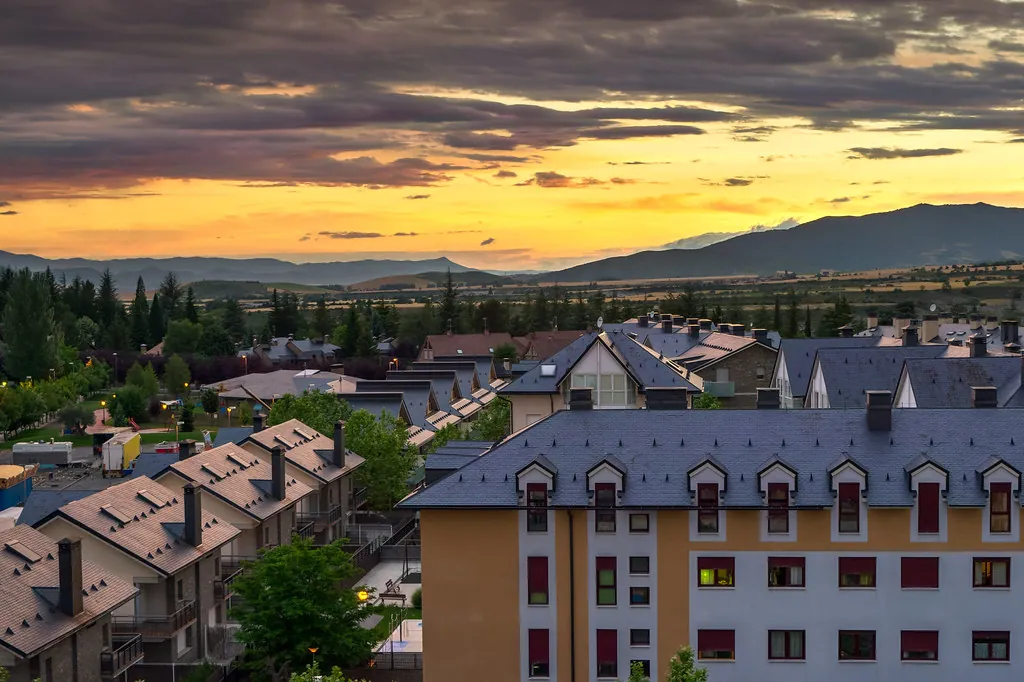
Once the carcasses are reduced to picked-white ribs, the crowd—rarely more than two dozen cars—disperses. Most head straight off to Jaca or back to the A-68, missing the half-hour window when Santa Cilia is at its best. Walk past the church (locked unless you’ve timed a Sunday mass) and the village settles into the kind of silence that makes your ears ring. Swallows turn overhead; somewhere a cultivator ticks over in a barley field; an old man in boiler-sleeves hoses down the dust outside his barn. The houses are the colour of dry biscuit, roofs terracotta, balconies painted the traditional deep green that once signified wealth because paint was expensive. Nothing is pristine; walls carry the scars of 19th-century carts, 20th-century cars and 21st-century tractors. It feels lived-in, not curated.
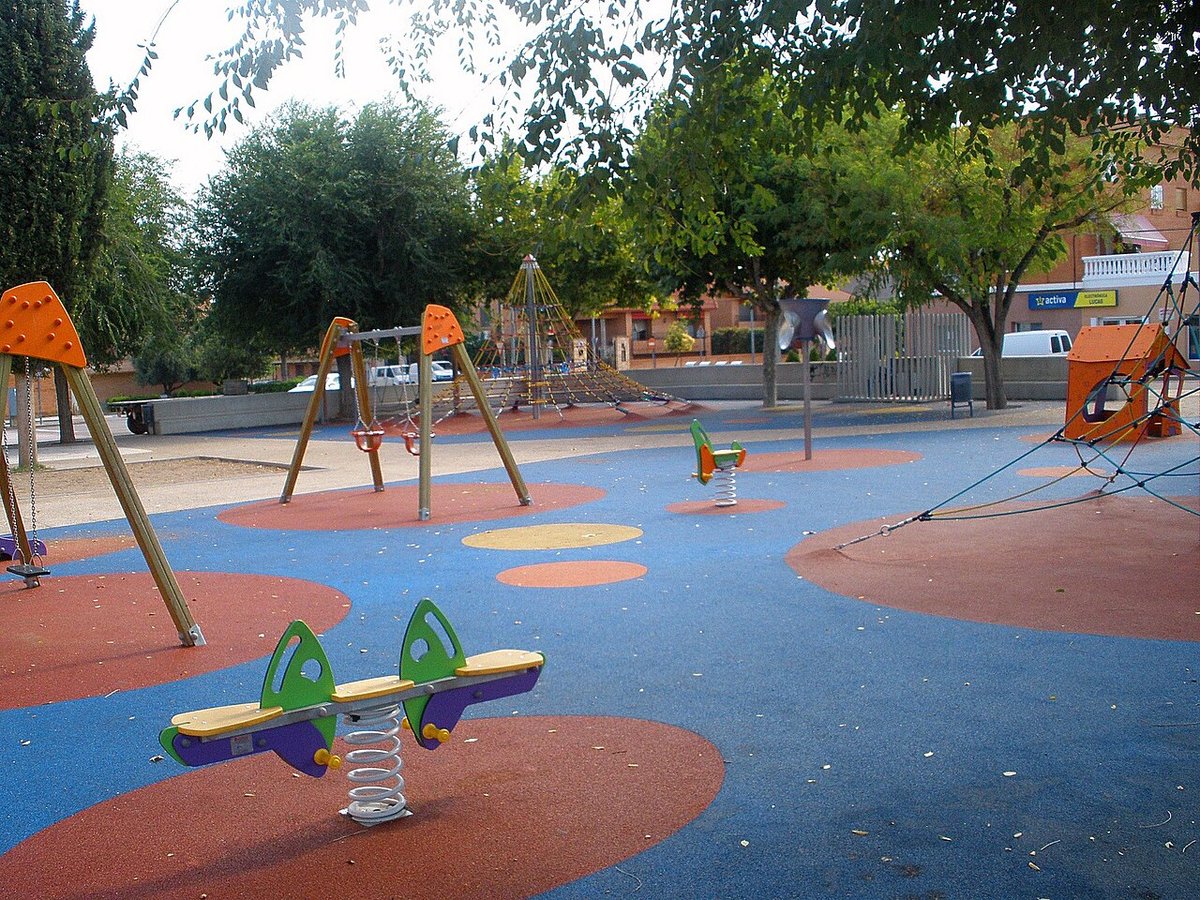
The only formal vantage point is a tiny roofed mirador behind the playground. From here you look south across the fertile flood-plain of the Río Aragón—patchwork irrigated fields, poplar windbreaks, the Pyrenees a blue saw-edge on the horizon. In April the terraces below are an almost violent green; by late June they’ve bleached to gold and the air smells of baled straw. It is, essentially, a large-scale version of the view from any upland farm in Herefordshire—except for the lammergeiers still circling overhead.
Bring your own lunch, and wine, and everything else
Santa Cilia has no commerce. The solitary bar closed when the owner retired a decade ago; the nearest loaf of bread is 12 km away in Jaca. Plan accordingly. Stock up in Huesca or Jaca the evening before: Manchego, a saucisson-sized chunk of jamón serrano, tomatoes that actually taste of something, and a bottle of Somontano garnacha (about €7 from the supermarket, double in a bodega). The centre provides picnic tables and clean toilets; vultures provide the cabaret. If you insist on table service, Restaurante El Bosque sits four kilometres back down the access road, decent grill, local trout, opens at 13:30—Spanish lunchtime, no earlier.
Do not attempt this by public transport. A single school bus passes through at dawn and dusk; otherwise the service is fiction. A hire car is unavoidable. From Zaragoza airport (direct Ryanair ex-Stansted, Manchester in summer) it is 160 km of fast dual-carriageway: A-68 to Nueno, then N-240 towards Jaca; turn off at Puente la Reina and follow the A-1601 for ten minutes. Total driving time, door to vulture viewpoint: 1 h 45 m. In winter the link road can ice over; chains are rarely needed but drive gently.
A walk, if you still need one
Once the picnic debris is binned there is, frankly, little to keep energetic hikers busy. A way-marked ‘Ruta de las eras’ circles the upper fields for 4 km, passing stone threshing circles now overrun with poppies and wild fennel. It is pleasant, flat, and takes ninety minutes including stops to photograph ruined barns. Serious mountain walking starts 25 km north in the Sierra de Guara or 30 km east in the Canfranc valley—both better bases if you want altitude, rivers, or a beer at the end of the day.
More rewarding is a short driving loop that stitches together the other Jacetana villages tourists usually ignore. Head west to Santa Cruz de la Serós (10 km) for its tiny pre-Romanesque convent and olive-oil press, then north to Rapún where storks nest on the church tower and the only traffic is tractors. Back-track through Martes to echoey San Juan de la Peña monastery, wedged under an overhanging cliff and staffed by a single monk who sells honey. Total round trip: 65 km, half a day, barely another car between them.
When to come, and when not to
March–May is ideal: lammergeiers are courting, fields are green, daytime 18 °C and the access road free of ice. September–October runs a close second—harvest colours, clear air, fewer weekend visitors. July and August are furnace-hot (35 °C on the ridge, shade scarce) and the centre restricts feeding to three mornings a week to avoid stressing birds. Mid-winter can be spectacular when snow outlines the Pyrenees, but the wind across the plateau is brutal and daylight lasts only nine hours. Whenever you come, check the centre’s website the night before; volunteers occasionally close without notice if the road is hazardous or carrion supplies fail to arrive.
The honesty bit
Santa Cilia will not fill a week, a day, or even an afternoon if wildlife leaves you cold. There is no souvenir shop, no medieval festival, no artisan cheese-maker. Mobile reception is patchy, the single public fountain tastes of iron, and the church key-holder is inevitably “at the fields”. What you get is fifteen minutes of jaw-dropping ornithology and an hour of arguably the most authentic rural Aragón you can still experience without a tour guide. Treat it as a picnic stop with benefits, pack your expectations accordingly, and the vultures will do the rest.