Full Article
about Santa Cruz de Grio
Ocultar artículo Leer artículo completo
The church bell rings and the sound rolls across cereal terraces that drop gently towards the Ebro depression. In Santa Cruz de Grío, 712 metres above sea level, the bell still dictates the rhythm of the day because only 94 people remain to hear it. Arrive on a Tuesday morning and you will meet more tractors than hatchbacks; that ratio flips only when the fiestas coax former neighbours back from Zaragoza, 50 km east.
A Village That Measures Itself in Fields, Not Metres
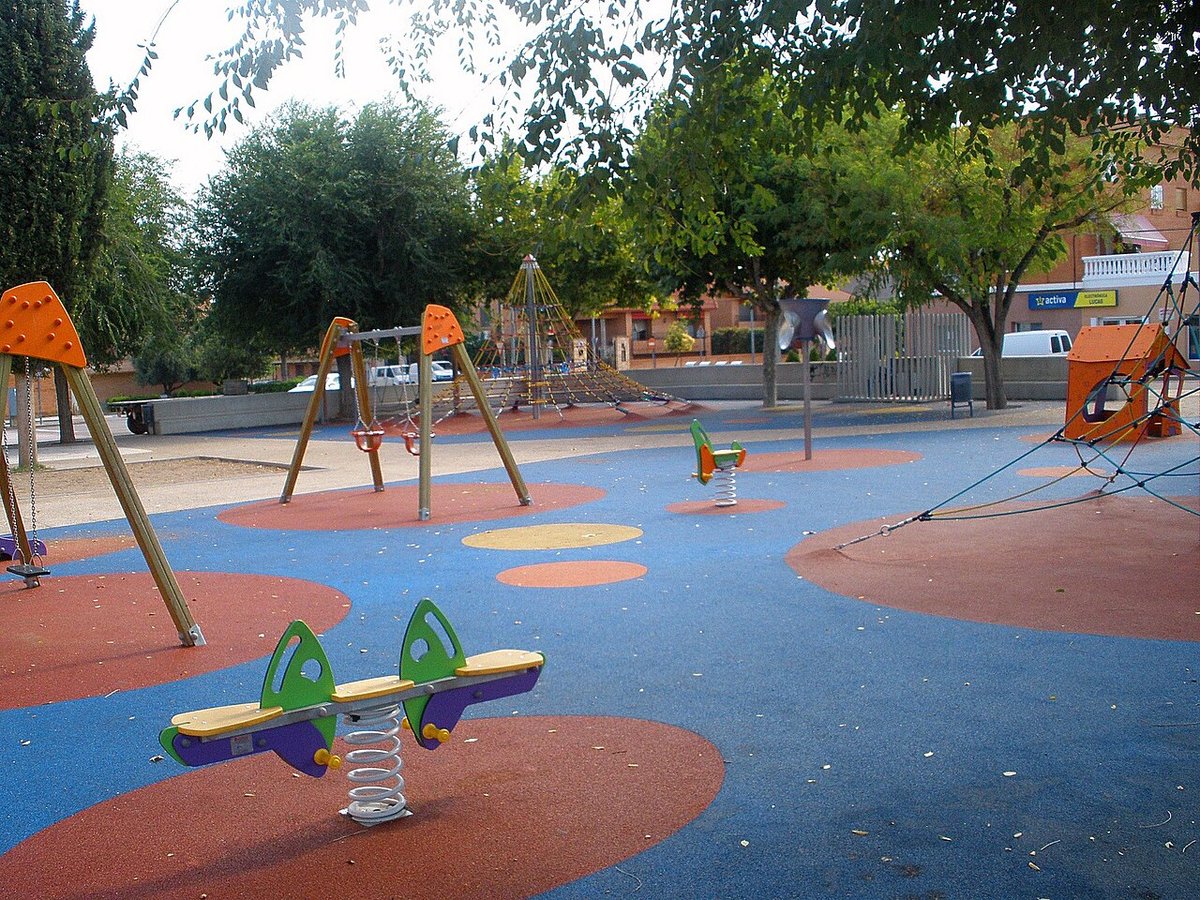
There is no dramatic plaza mayor, no arcaded main square where guidebooks tell you to order coffee. Instead, the settlement spreads along a ridge in tight rows of stone-and-tapial houses whose ground-floor doorways were built wide enough for mules and wooden ploughs. Walk from one end to the other in eight minutes and you will have passed every essential service: the parish church of the Holy Cross, a small playground, the locked fronton court, and a bar that opens when its owner finishes her own fieldwork.
The surrounding mosaic explains the village’s survival. Vineyards, almond groves and wheat parcels create a patchwork that changes colour almost weekly. In late April the green is so bright it seems back-lit; by mid-July the stubble glows ochre under the hard, dry light that photographers prize. Locals claim that on windless days you can hear cars on the A-2 motorway, but only if you stand on the cemetery hill and the barley has already been cut.
Walking Without Waymarks
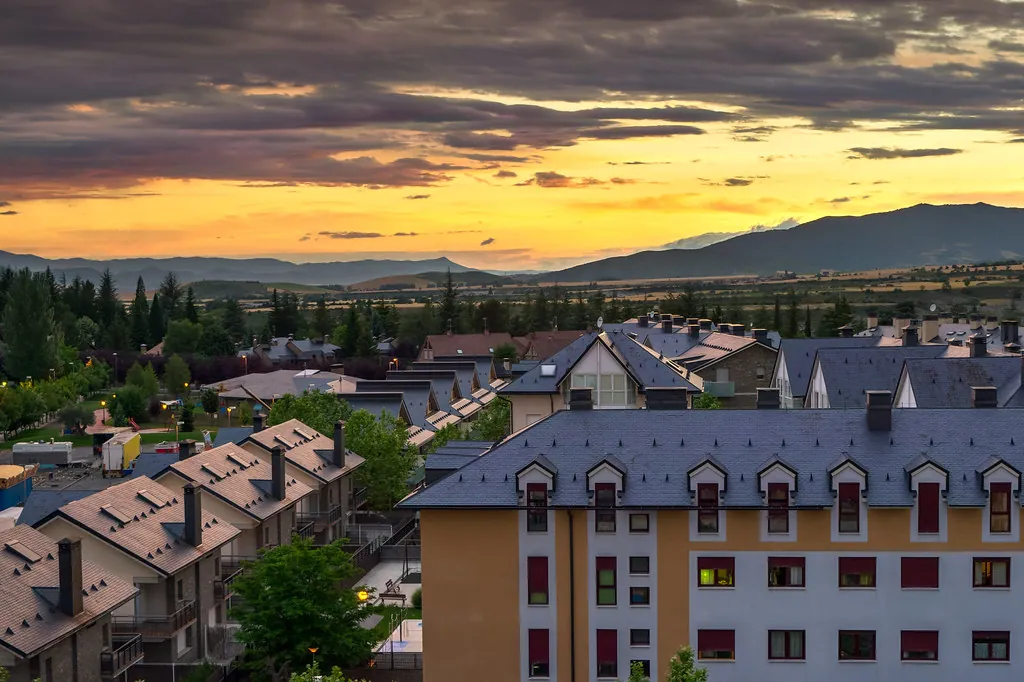
Santa Cruz de Grío has not printed glossy hiking leaflets, and that is part of its appeal. Farm tracks head north-east towards the Sierra de Algairén, gaining 200 m of elevation in 3 km. The going is easy; the challenge is navigation, because cereal plots are bounded only by low stone walls and the occasional lone holm oak. Download the free Valdejalón map from the regional government website, or simply follow the stone cairns that shepherds have stacked on ridge tops. From the crest you can pick out the tiled roof of every house and, beyond, the blue-grey haze that marks the Moncayo massif on the horizon.
Spring brings rollers, wheatears and short-toed eagles riding thermals above the freshly turned soil. Take binoculars, water and a wide-brimmed hat—shade is scarce once you leave the village edge. In October the same paths smell of crushed rosemary and the thermals have vanished, so raptors glide lower and photo opportunities improve.
What You Will (and Will Not) Eat
Forget tasting menus. The single bar serves coffee, cañas and, if you phone the day before, a plate of migas—fried breadcrumbs laced with grapes and slivers of pancetta. For anything more elaborate you drive ten minutes to Épila or thirty to Calatayud, where cellars pour Valdejalón garnacha that costs under €2.50 a glass and arrives at the table straight from the barrel. The village itself trades in home kitchens: cocido stew on Sundays, home-chorizo hanging in stairwells, and apricot jam thickened in copper pans that have been handed down since the 1940s. Visitors staying in self-catering cottages receive anonymous gifts of vegetables—courgettes the size of marrows left on doorsteps at dawn.
Sleeping Inside the Grain Belt
Accommodation is limited to four rural houses, all converted from stone outbuildings that once stored grain or animals. Los Chinchanes tops TripAdvisor’s speciality lodging list because it keeps original beams, adds under-floor heating and refuses stag parties. El Retiro de Isabel, slightly larger, has four bedrooms and a roof terrace where night skies are dark enough to see Andromeda without squinting. Expect to pay €90–€110 per night for the whole house, dropping to €70 outside public holidays. Breakfast ingredients—local olive oil, crusty bread, tomatoes the colour of arterial blood—are delivered in a wicker basket, but you cook them yourself.
When the Calendar Stops the Harvest
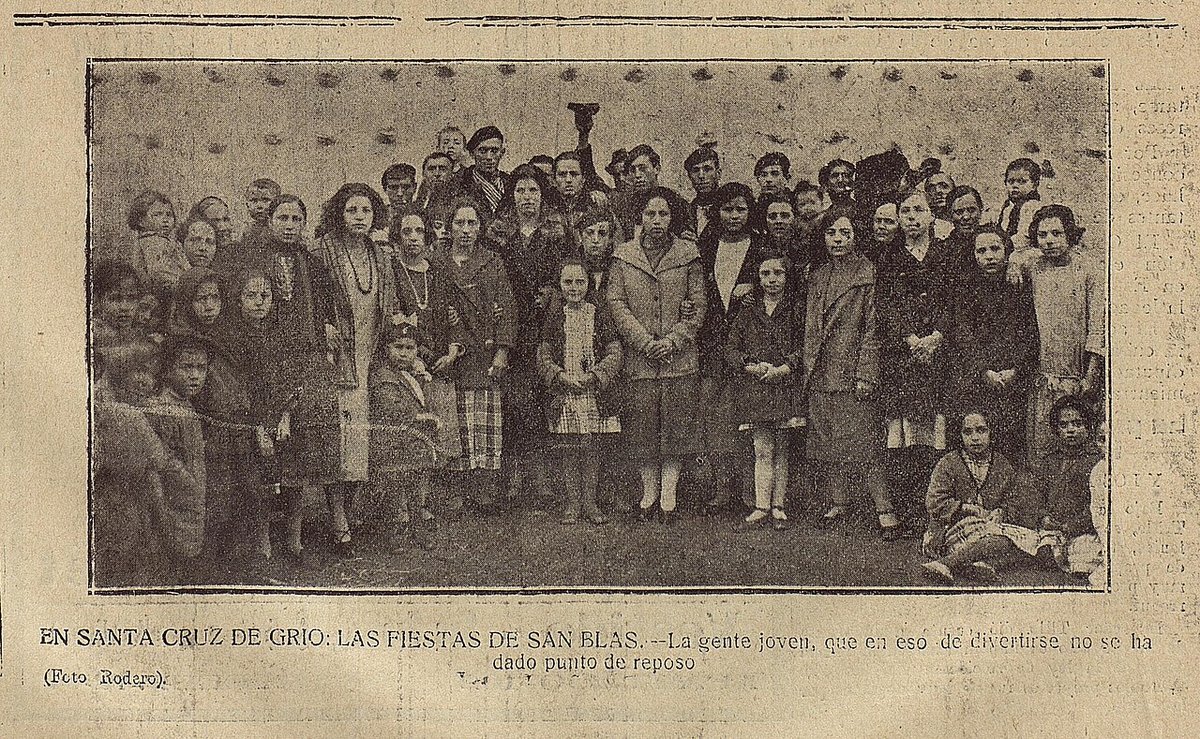
Festivities centre on the Holy Cross, 3 May. The date is non-negotiable even if it falls on a Monday, and the agenda has barely changed since the 1950s: dawn rosary, mid-morning procession, communal paella for 400 cooked in a pan two metres wide, and an afternoon brass-band concert performed on a portable stage outside the church. The band arrives from Épila; the priest comes from nearby Paracuellos; the paella rice is donated by the village with the largest surplus that year. Visitors are welcome to eat, but you must buy a €6 ticket from the mayor’s brother, who also drives the school bus.
Summer evenings host open-air cinema in the football pitch—usually a Spanish dub of an American film from three years earlier. Projection starts at 22:00 when the heat finally loosens its grip. Bring a folding chair; locals sit on the stone wall and critique both plot and picture quality.
Getting Here, Getting Out
No train reaches Santa Cruz de Grío. From Zaragoza–Delicias bus station, Monday-to-Friday service 501 stops at Épila, 12 km away; a taxi from the rank outside the Bar California charges a flat €20 to the village. Hiring a car remains easier: take the A-2 west towards Madrid, exit 285 signed Calatayud/Valdejalón, then follow the A-1212 north through sedate wheat fields. The final 6 km are on the Z-500, a single-track road where stone bridges have no parapets; meet a combine harvester and someone must reverse 200 m to the nearest passing bay. Fill the tank before leaving the motorway—village pumps closed in 2019.
Winter access is reliable unless snow drifts across the Z-500, something that happens two or three days each January. Chains are rarely needed, but carry them if you plan to drive on to higher Sierra villages. Summer visitors underestimate altitude: nights at 712 m can drop to 14 °C even when Zaragoza swelters at 30 °C, so pack a fleece for the terrace.
Worth the Detour?
Santa Cruz de Grío offers no souvenir shops, no guided tours, no Instagram hotspots—precisely why some travellers will love it. You come for grain-coloured horizons, for bread still warm from a neighbour’s oven, for the moment the church bell falls silent and you hear nothing but a tractor ticking as it cools in a barn. Stay two nights, walk the unmarked ridges at sunrise, and you will leave knowing the exact shade of ochre that follows the harvest. That memory costs nothing, and the village prefers to keep it that way.