Full Article
about Santa Eulalia
Ocultar artículo Leer artículo completo
The morning frost lingers longer here than on the coast—at 984 metres, Santa Eulalia sits high enough for the air to nip even when Valencia, two hours away, is already in T-shirts. By 8 a.m. the only movement is a tractor towing a trailer of hay bales past the stone church, its tyres crunching the grit like breakfast cereal. Nobody hurries; the day’s rhythm was agreed centuries ago.
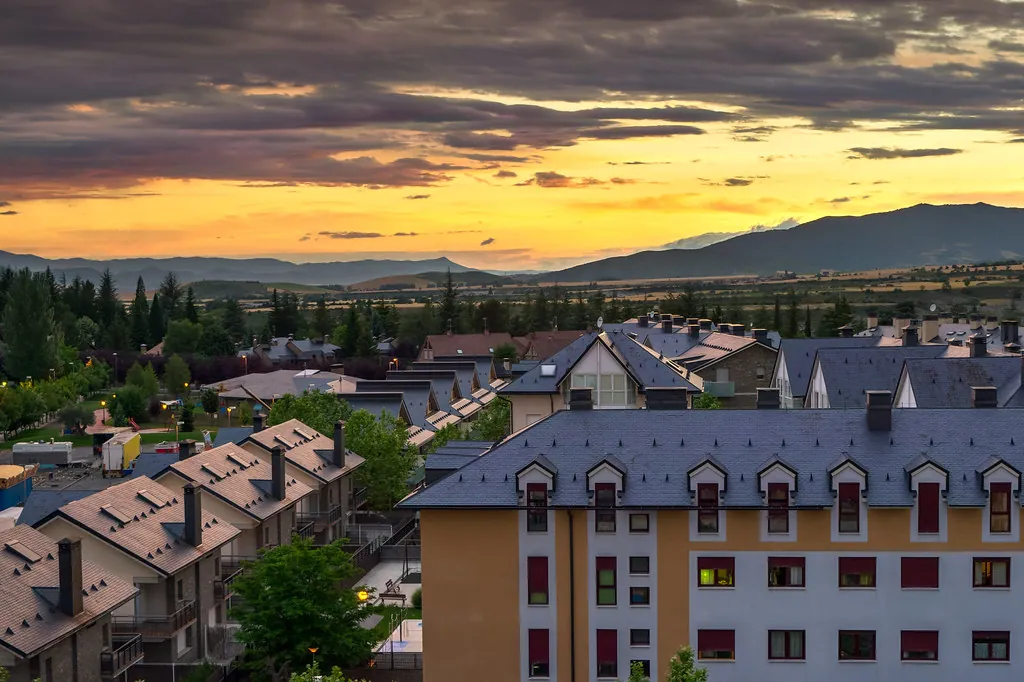
This is the Teruel plateau, a place the Moors called the “land of a thousand ravines”, though the folds are gentler around Santa Eulalia. Wheat and barley roll away in blond waves, interrupted by the odd patch of almond trees that flash white in February and are bare again by March. The village itself is a compact grid of ochre walls and terracotta roofs; no house stands taller than the 16th-century bell-tower, so the skyline stays honest. British visitors expecting whitewashed Andalusian cubes will find instead the sober stone of northern Spain, softened only by wooden balconies wide enough to dry a whole household’s washing.
A Parish, a Plaza, and the Art of Doing Very Little
The Plaza Mayor is barely the size of a tennis court, but it contains the entire weekly social diary. On Saturday the farmers’ market sets up three stalls: one for honey, one for chickpeas, one for a plastic crate of lettables that sell out by ten. Tuesday evening brings the pétanque crowd, metal balls clacking beneath the plane trees while the bar owner carries out chairs—there is no terrace licence, so drinkers simply colonise the public benches. Sunday after Mass the priest crosses the square to the bar himself; if you want to ask about the medieval fresco fragments inside the church, that is the moment.
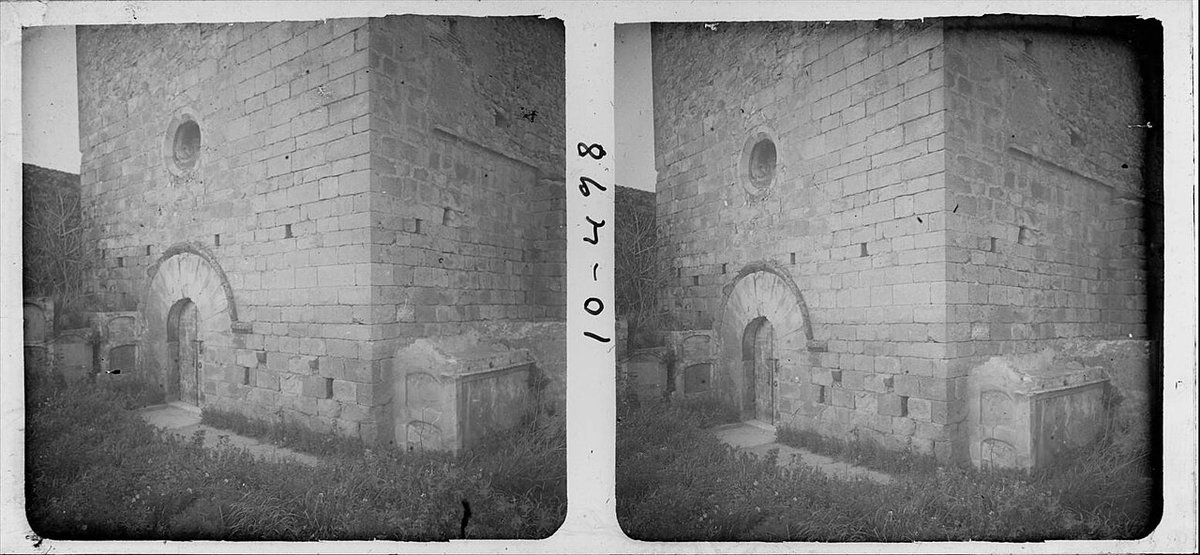
Inside, the building is a palimpsest of whatever worked at the time: Romanesque base, Gothic rib-vault, Baroque altarpiece gilded so thickly it looks like oxidised brass. The tower houses six bells, the oldest cast in 1567; the largest cracked in 1938 when it was tolled continuously to warn of a bombing raid that never came. The scar gives the note a husky edge, locals claim they can pick it out on windy nights when the automated clock hammers midnight.
Walk five minutes in any direction and tarmac gives way to dirt tracks. These are working fields, not way-marked trails, so expect to share the path with a sheepdog on a quad bike. A 40-minute loop south-east brings you to the abandoned hamlet of Las Casetas, its stone roofs still holding despite fifty winters. In May the verges are speckled with poppies the exact colour of a London bus; by July the same stalks stand brittle and grey, proof that Mediterranean colour is on a strict timer.
Eating by the Clock, Not by the Menu
Forget long tapas crawls—Santa Eulalia has one bar and it shuts at 21:00. Lunch is the main event, served promptly at 14:00. The set menu at Casa Felisa (€14, Wednesday–Sunday only) starts with migas: fried breadcrumbs, garlic, and whatever the pig provided that week. The second course is usually ternasco, milk-fed lamb roasted until the fat turns into a sweet, sticky varnish. Vegetarians get a plate of roasted piquillo peppers stuffed with goat’s cheese; it arrives apologetically, as if the chef still can’t believe anyone would choose it. Wine comes in a chipped glass jug and tastes better than anything poured by the sommelier at Zaragoza airport.
If you are self-catering, stock up in Huesca before you climb the mountain. The village shop closed in 2019; the nearest supermarket is 25 km away in Ayerbe and it shuts for siesta between 14:00 and 17:00. Bread arrives in a white van at 11:00 each day—queue by the church, cash only, and don’t expect sourdough.
Seasons That Decide for You
April and May are the kindest months: daytime 22 °C, nights cool enough for the log-burner that every holiday cottage advertises. Wild asparagus sprouts along the tracks; locals walk with a knife and a plastic bag, returning with supper. September repeats the temperature trick but adds the grape harvest; Somontano wineries an hour north need temporary pickers and pay in wine as well as cash.
Mid-summer is less forgiving. The plateau becomes a reflector oven, pushing 36 °C by 15:00. Farmers start at dawn and sleep through the afternoon; sensible visitors do the same. In August the village population doubles as children return from Zaragoza and Barcelona, so the square hums with gossip and the bakery van sells out by 10:30. Book accommodation early; casa rural owners rarely accept single-night stays anyway.
Winter is when altitude matters. Snow is sporadic but ice is guaranteed, glazing the narrow road from Ayerbe. British drivers who laugh at a centimetre of slush discover that Spanish tyres are not always winter-rated; pack chains or be prepared to leave the car at the bottom and walk the last 3 km. On the upside, night skies are dark-sky-park quality—Orion seems close enough to snag your jacket sleeve.
Getting Here, Leaving, and the Bits in Between
There is no railway and the bus stopped in 2012. Fly to Zaragoza (Stansted, Ryanair, 2 h 10 min), collect a hire car, and head north-west on the A-23. After 70 km leave at Ayerbe, then follow the HU-V-611 for 18 km of climbing bends. Phone signal drops out twice; download offline maps beforehand. Total journey time from airport to plaza: roughly two hours, assuming you don’t meet a tractor convoy.
Where to stay? Three stone cottages have been restored by ex-city architects who discovered the village on a climbing trip. Expect under-floor heating, rain showers, and a welcome basket with olive oil pressed from the owner’s trees. Prices hover around €95 per night for two, three-night minimum, cheaper if you forfeit the daily clean. One house has a roof terrace that catches sunrise over the cereal sea; another opens straight onto the lane, handy for chatting with passing grandmothers.
Departing Without a Fridge Magnet
Santa Eulalia will not give you Instagram moments every five metres. Its appeal is cumulative: the way church bells mark time more accurately than any phone, the farmer who waves you through his field because “you’re walking, not stealing”, the taste of lamb that has never seen a freezer. Leave the village at dawn in late spring and you’ll meet a retired teacher picking wild herbs for gazpacho; stop, and she’ll hand you a sprig of lemony tagetes to crush between your fingers. That scent, carried back to grey British suburbia, is the best souvenir on offer—impossible to photograph, and refreshingly hard to buy.