Full Article
about Sastago
Ocultar artículo Leer artículo completo
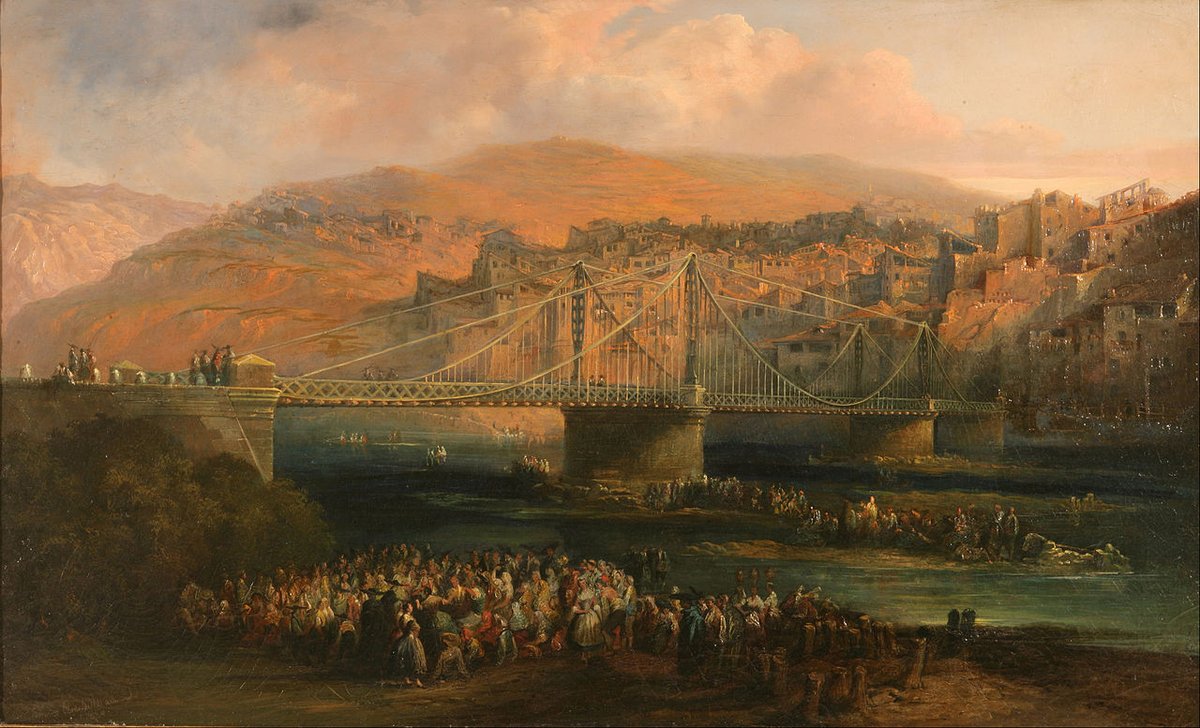
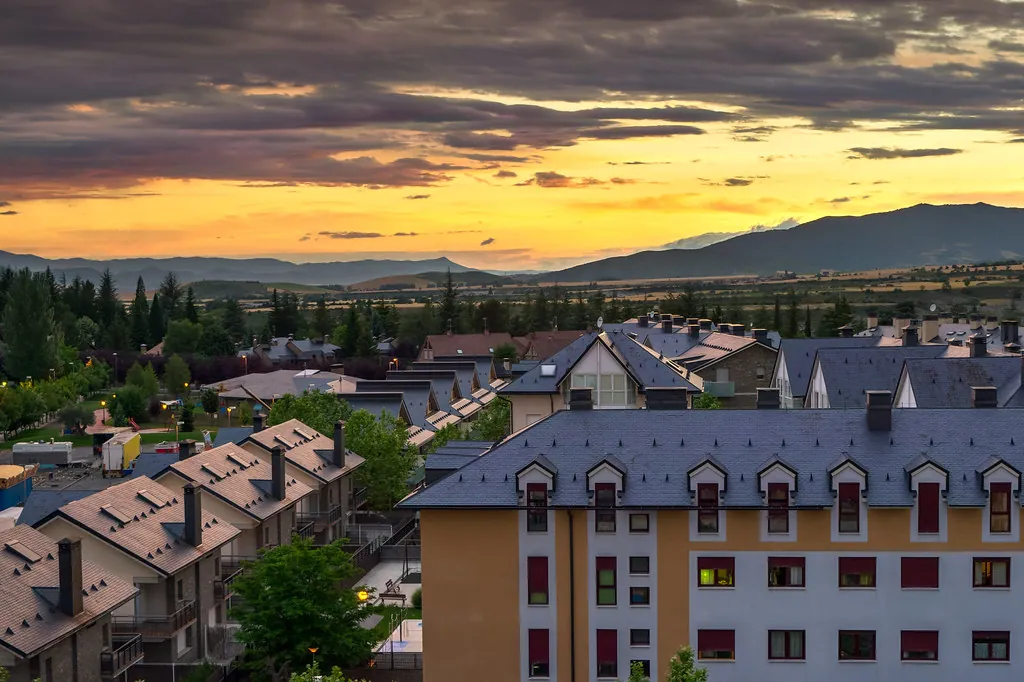
The river moves first. Even before the church tower comes into view or the stone houses arrange themselves into streets, the Ebro announces Sástago with a lazy bend that catches the morning light like polished pewter. At 153 metres above sea level, this Aragonese village sits low enough for the river to dominate every view, yet high enough that the water's breath carries a welcome coolness across the adobe walls even in July.
The Sound of Water and Mudéjar Brick
San Pedro Apóstol's tower rises in terracotta stripes, each course of brick set with the mathematical precision of 16th-century craftsmen who understood that geometry could be beautiful. The mudéjar style—Islamic artistry executed under Christian rule—creates a dialogue between cultures that ended centuries ago yet still speaks in the zig-zag patterns catching shadows at noon. Walk around the church twice; the tower changes character with each quarter turn, first severe, then almost playful, finally monumental.
Inside, the nave carries the echo of river traffic that once funded these stones. When the Ebro served as Aragon's commercial artery, Sástago's merchants grew wealthy enough to build the manor houses that line the Plaza Mayor—solid 17th-century affairs with carved stone balconies designed more for surveying commerce than displaying flowers. The square remains the village's living room; morning coffee happens here, evening beers happen here, and the Saturday market happens here, though 'market' might be stretching it when only three stalls show up with vegetables from gardens you could walk to in ten minutes.
Heat, Silence, and the Monastery That Saved Itself
July and August demand strategy. Temperatures climb past 40°C by eleven o'clock, turning the narrow streets into convection ovens that even the river breeze can't penetrate. Smart visitors follow the Spanish rhythm: early starts, substantial lunches with local Cariñena wine, siesta through the furnace hours, then emergence as shadows lengthen. The monastery at Rueda, two kilometres downstream, understands this schedule perfectly—last entry at 6:30pm means you'll have the cloisters practically to yourself, audio guide whispering stories of Cistercian monks who engineered water channels still functioning after eight centuries.
The restoration team saved Rueda from becoming another romantic ruin by understanding what mattered: the hydraulic systems, the chapter house where daily business transacted, the dormitory where forty monks slept in one stone room through winters that bite despite the low altitude. Entry costs €6, including the electronic guide that actually works, a refreshing change from Spanish rural attractions where technology usually arrived broken and stayed that way.
Where Lunch Lasts Longer Than the Walk
Migas, the peasant dish of fried breadcrumbs with garlic and chorizo, appears on every menu because it makes sense—cheap, filling, designed to use yesterday's bread. The local version adds grapes from the Ribera baja vineyards, creating sweet-savoury combinations that explain why Spanish grandmothers live forever. Restaurants are thin on the ground; there are two proper ones and a bar that serves food when the owner feels like cooking. Both restaurants close on Tuesdays regardless of tourist season because Sástago doesn't acknowledge tourist seasons.
The Ebro provides better than the kitchens anyway. Morning mist rises off the water in October, revealing herons stalking among the reeds while you walk the GR99 long-distance path that passes the village edge. The track follows an old mule road paved by Romans, improved by Arabs, perfected by monks who needed reliable routes for their agricultural produce. Fifteen kilometres south towards Zaragoza, the path crosses abandoned rice paddies—another industry that flourished then vanished when markets shifted and labour moved to cities.
Winter Floods and Summer Bargains
January brings different challenges. The river swells with Pyrenean snowmelt, sometimes topping the banks to remind residents who really controls the valley. Access becomes interesting; the A-68 motorway floods at exit 42, requiring detours through Fuentes de Ebro that add twenty minutes to the journey from Zaragoza. Hotels in Alcañiz, 35 kilometres away, drop prices to €45 per night as winter empties the region except for hunters pursuing the ducks that winter in the wetlands.
Spring delivers the sweet spot—temperatures hover around 22°C, wild asparagus appears in the markets, and the monastery gardens explode with roses originally planted by monks who understood that beauty could be medicinal. Hotel Ciudad de Alcañiz offers weekend rates that include breakfast and dinner for €70 total, cheaper than most Premier Inns and considerably more characterful despite the functional 1990s architecture.
The Anti-Destination
Sástago refuses to be a destination. It lacks the photogenic perfection of Albarracín or the wine tourism infrastructure of La Rioja, and this constitutes its appeal. British visitors arrive expecting another Spanish village experience and find instead a place that continues being itself regardless of who turns up. The Englishwoman who bought the house on Calle Mayor discovered this when she asked about opening times for the tourist office and received a shrug—there isn't one, never has been, probably never will be.
What exists is authenticity measured in small moments: the way shopkeepers remember your coffee preference on the second visit, how the baker explains that today's bread is better because the river humidity dropped overnight, the afternoon when the plaza fills with tractors instead of tourists because harvest timing trumps everything. The Ebro keeps moving, the mudéjar tower keeps casting different shadows, and Sástago keeps being a place where Spain happens without an audience.
Stay three nights minimum. The first day you'll notice what's missing—no souvenir shops, no evening entertainment beyond the bar television showing football. By the third, you'll understand what's present: a rhythm dictated by water and seasons that predates guidebooks and will outlast them. Bring walking shoes, Spanish patience for lunch schedules, and acceptance that some places don't need improving. Leave the river cleaner than you found it, the plazas quiet enough for afternoon siestas, and the villagers wondering why anyone would choose to visit somewhere that considers itself perfectly ordinary.