Full Article
about Sesue
Ocultar artículo Leer artículo completo
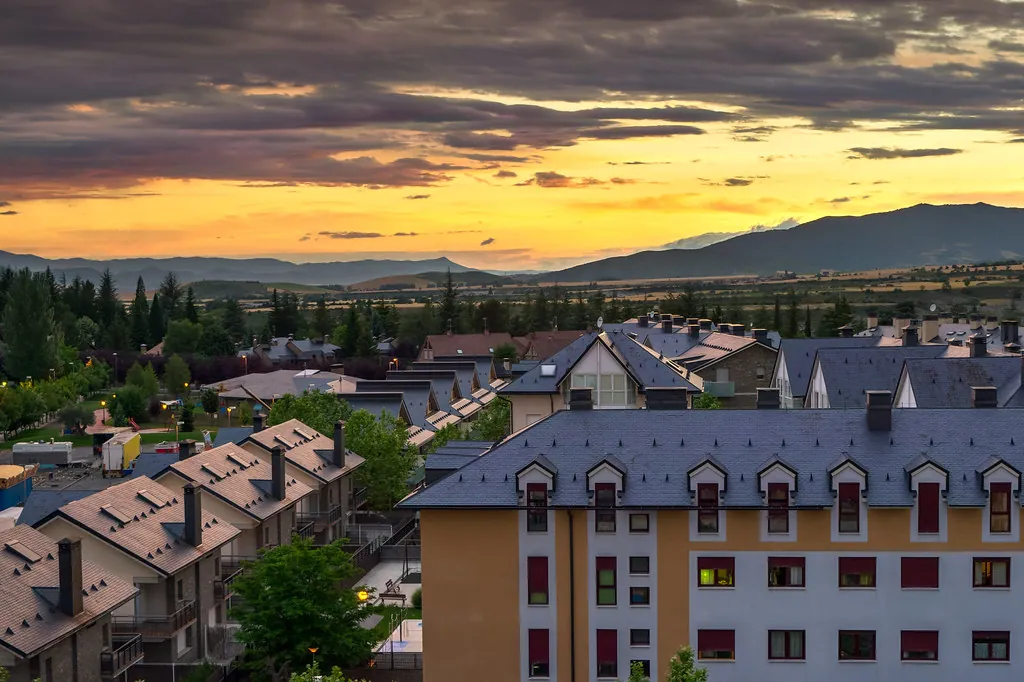
The morning tractor rolls past at half-eight, dragging the scent of diesel and fresh-cut hay through Sesué's single main street. Nobody looks up. An elderly man in a beret is already two coffees deep at the bar, and the village's baker has sold out of croissants—three trays, gone before nine. This is daily life at 1,050 metres in the Benasque Valley, where the Pyrenees loom close enough to track weather systems but far enough away that you can still breathe.
Sesué keeps its distance from the valley's busier hotspots. While coaches unload in Benasque town six kilometres up the road, here the only queue is for the bread van that rattles in on Tuesdays and Fridays. The census lists 126 souls, yet the place feels larger because everyone is outside: pruning vines, fixing stone walls, or simply watching the day unfold from a kitchen chair dragged into the sun.
Stone houses shoulder together against winter winds, their slate roofs weighted with beach-ball-sized rocks. Look closer and you'll spot carved coats of arms above doorways—remnants of a 16th-century wool boom that once filled these pockets. The church tower, square and no-nonsense, doubles as the village timepiece; its bell still rings the agricultural hours that smartphones have yet to replace.
Walking Without the Crowds
Leave the tarmac at the football pitch—really just a goalpost and a view—and a web of farm tracks fans out. One path descends gently to the Ésera river in twenty minutes, threading through meadows where horses wear cowbells like oversized earrings. Another climbs eastward, gaining 300 metres to a col where vultures turn lazy circles above the cereal terraces of the neighbouring Barrabés valley. Neither route appears on the glossy "Top 10 Hikes" leaflets handed out in Benasque, which is precisely the point.
Spring brings a paint-box of wildflowers: purple columbine, yellow toadflax, the occasional flash of a bee-eater. Summer hikers should start early; by 11 a.m. the sun is brassy and shade is auctioned off by the square metre. Autumn turns the poplars gold overnight, and winter can seal the valley with snow deep enough to silence the tractor—though the main road is usually cleared within hours.
What Passes for Entertainment
Evenings centre on the stone-fronted Bar-Restaurante el Fraille, where the menu changes according to whatever game the owner's cousin shot that week. Wild-boar stew arrives in dented metal dishes, thick with local morcilla and a splash of Somontano wine. A plate costs around €12; cheaper than the valley's flagship eateries yet generous enough that you may skip breakfast. Vegetarians get a territorial salad of goat cheese, walnuts and honey—surprisingly good, though the chef will still ask "¿Seguro?" with theatrical concern.
If you crave adrenaline, a via ferrata clips onto the limestone crag behind the village. Fixed cables and a wobbling Tibetan bridge deliver big-mountain exposure without the need for ropes, and the approach walk takes all of eight minutes from the last house. Kit can be hired in Benasque for €25; allow two hours, plus another twenty minutes to calm the knees.
Seasons, Weather and Other Truths
April can sling snow, sleet and 20 °C sunshine into the same afternoon—pack layers and swallow the cliché. July and August bake the valley floor to 30 °C, yet nights dip cool enough for a jumper. Winter daytime hovers just above freezing; without cloud cover the temperature plummets the moment the sun slips behind the ridge. The A-139 through the valley is well gritted, but a set of snow chains still earns a discount at local car-hire desks.
Accommodation is limited to a handful of self-catering apartments and one small guesthouse, Casa Rural El Molino. Expect to pay €70–€90 for a double, including wood for the stove and a breakfast loaf delivered in a paper bag. Book early for Easter and the August fiestas; outside those windows you can often negotiate a lower rate by phoning directly—owners dislike the commission bite taken by booking platforms.
The One Week You Might Hate It
Mid-August turns the volume up. The fiestas patronales bring temporary bars, a foam machine in the square, and a procession where the statue of the Virgin is carried through streets strewn with basil. Fireworks echo off the limestone walls until 2 a.m.; light sleepers should choose accommodation on the edge of town or bring earplugs. The upside is free street food—grilled sardines, giant paella—and the rare chance to see the village population quadruple as emigrants return with Catalan-number-plate cars and stories of Frankfurt plumbing.
Getting Here Without Losing the Will
From the UK, fly to Barcelona or Zaragoza; both sit within two and a half hours' drive. Car rental is essential—public transport tops out at Graus, still 45 minutes away. The final approach threads along the N-123 and CV-1314, a wriggly but well-surfaced road that climbs 700 metres in the last 20. Coach parties never bother because there's no coach park, and that single fact preserves the hush.
Fill the tank at Benasque; the village pump closed years ago and the nearest fuel lies 17 kilometres back down-valley. Mobile coverage is patchy inside stone houses; step outside and four bars appear—mountain telecom logic.
Leaving the Postcard Behind
Sesué won't astonish with cathedrals or Michelin stars. What it offers is steadier: the sound of your own footsteps on a dirt track, a bar where the coffee price hasn't changed since 2019, and the realisation that "authentic" is simply daily life happening in your peripheral vision. Turn up expecting entertainment and you'll be flicking through your phone by sundown. Arrive prepared to match the village's tempo—early nights, slow walks, conversation over wine poured from an unlabelled bottle—and the place starts to make sense. And when the tractor coughs awake at half-eight the next morning, you might just find yourself counting it among the finer hotel wake-up calls.