Full Article
about Terriente
Ocultar artículo Leer artículo completo
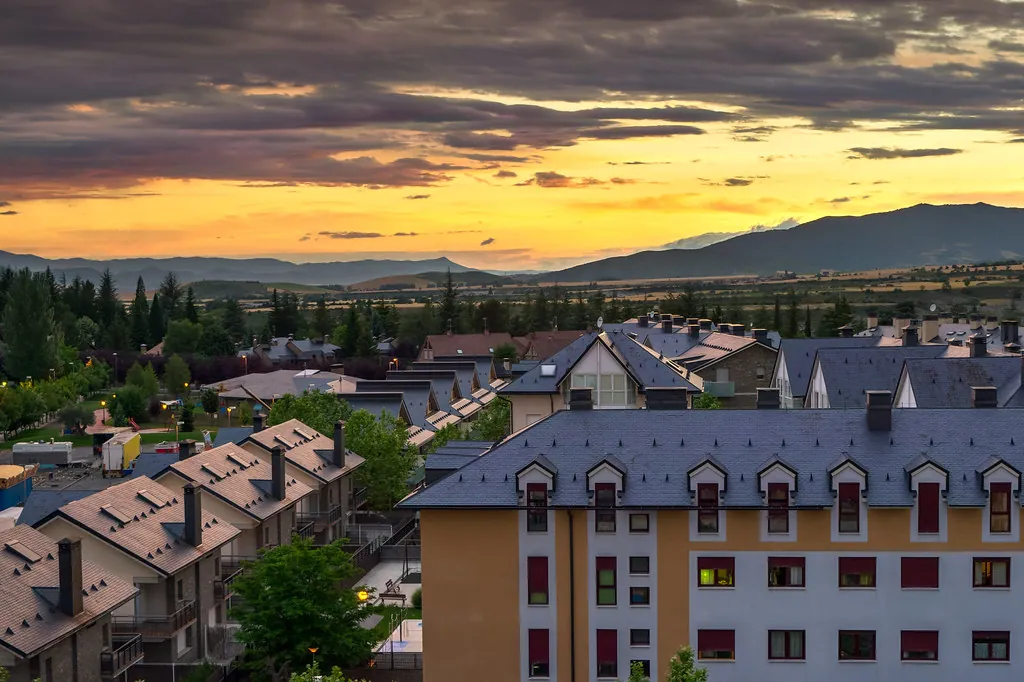
The church bell tolls seven and the temperature drops four degrees in as many minutes. At 1,443 m, dusk works fast. Lights flick on in stone houses that climb the ridge like a flight of steps, and the smell of pine smoke drifts across the single-lane main road. This is Terriente’s daily punctuation mark: day finishes, village whispers.
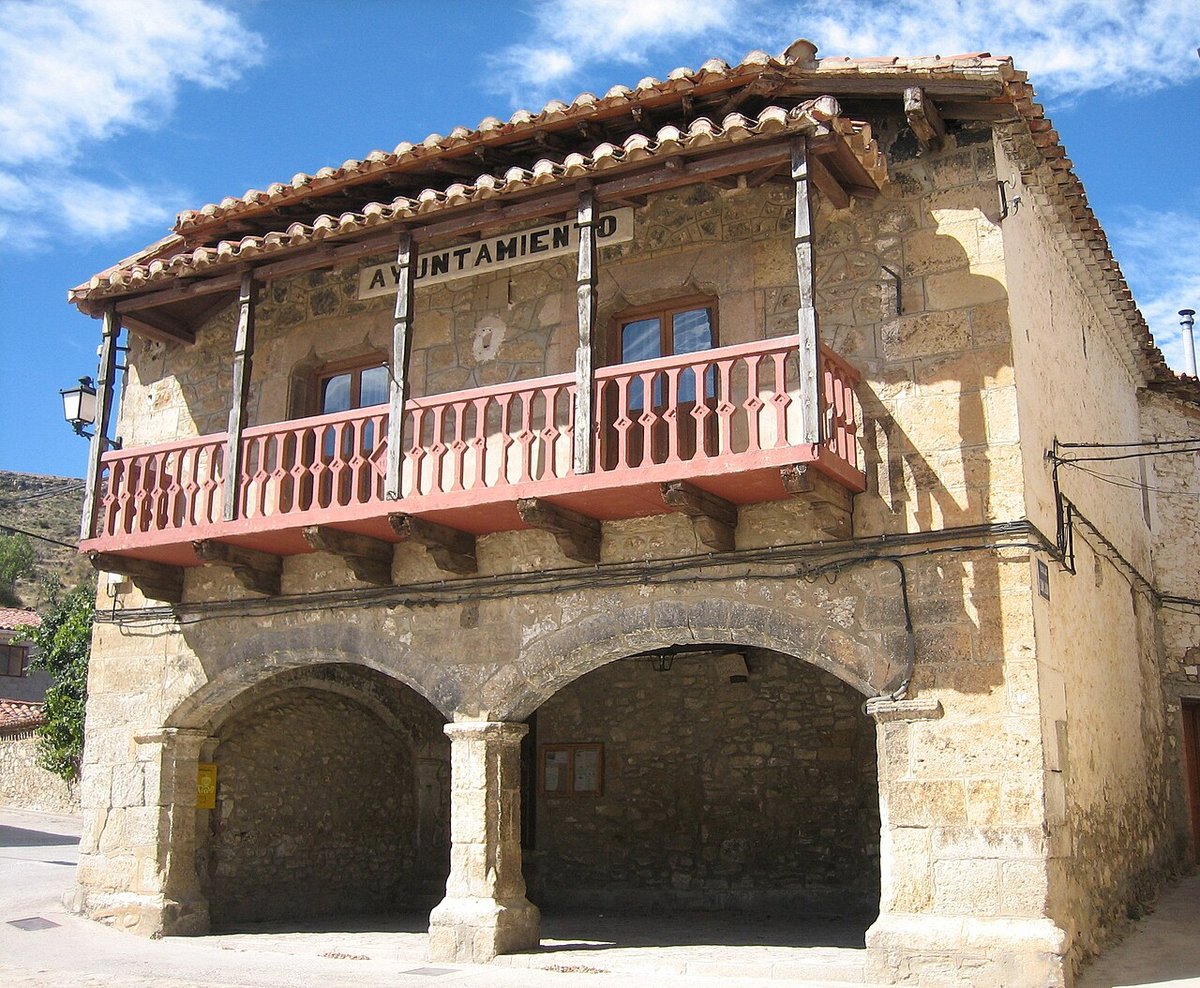
Seventeen permanent households, one bar, no cashpoint. Numbers don’t lie; the place is small. Yet the Albarracín range folds round it like a bowl, so the hush feels deliberate rather than empty. Reddish sandstone walls, Arabic-tiled roofs, timber beams blackened by centuries of hearths – the architecture hasn’t bent to fashion because fashion never climbed this high.
Getting up, cooling down
From Teruel, the A-1512 wriggles north-east through the Pinares de Rodeno. Expect wild boar crossings, scarlet outcrops that look half-chewed, and enough bends to test breakfast. Allow ninety minutes; sat-navs add optimistic minutes that the gradient immediately subtracts. Petrol? Fill in the city – the last pump is at El Vallecillo, 35 km before the turn-off.
Height has perks. Even in August, nights slide to 12 °C; bedrooms need blankets, not climate control. Daytime sun still burns, so walkers set off early and retreat to doorways when the church shadow shrinks to nothing. Spring and autumn give the kindest light: thyme flowers in May, saffron milk-caps in October, and temperatures that let you contemplate a second coffee outside Bar Maribel without shivering.
Footprints and fungi
Paths leave the village as if slipping out the back gate. The signed PR-TU 44 loops south through laricio pine and dwarf oak to the abandoned hamlet of Pozondón (6 km, 250 m ascent). Stone terraces there still grow lentils for whoever bothers to harvest them. Northwards, an unmarked cattle track climbs to the Collado de las Cruces; from the saddle you can count three provinces on a clear day.
Maps are advisable – paint blazes fade and phone signal dies in the gullies. Footing is stony; trainers suffice if you’re happy to hop boulders, but boots save ankles. After rain the red sandstone turns treacherous; locals wait a day “para que se asiente”.
Mid-October brings the mushroom quorum. Cars with Madrid plates appear, baskets in boots. The pinewards around Cerro de San Blas hide boletus and trumpets, yet every year someone mistakes a yellow stainer for a Caesar’s. Rule of thumb: if the picker can’t name it in Latin, don’t fry it. Permits aren’t required for personal use, but a 3 kg daily limit is enforced; forest rangers do spot checks and fines start at €300.
What lands on the plate
Hotel Abuelo Rullo’s dining room seats twenty, menu changes when the owner drives to town. Expect trout caught 20 km downstream, grilled with slivered almonds, or a bowl of “migas” – fried breadcrumbs laced with pancetta and grapes. Lamb (ternasco) arrives sizzling on terracotta; portion size assumes you spent the morning shifting hay bales. Vegetarians get roast peppers stuffed with mushroom rice – safe, hearty, unlikely to shock a British palate.
Bar Maribel opens at seven for brandy-and-coffee chasers, closes when the last domino falls. Mid-morning, toasted sandwiches cost €2.80; evening tapas run to spicy patatas bravas and local cheese that tastes of thyme thanks to free-ranging goats. Cards accepted, grudgingly; bring euros for tips.
No supermarket, only a freezer chest in the grocery aisle of the same bar. Self-caterers should shop in Teruel: Mercadona stocks everything from Quorn to teabags. Fresh bread arrives Wednesday and Saturday via a white van that beeps like an ice-cream truck; queue early because the baker leaves once the loaves are gone.
When the village remembers it’s a village
August 12–15 the place doubles in size. Returning emigrants pitch tents in orchards, cousins sleep in 4x4s. Daytime processions – brass band, statue of the Virgin shouldered by men in loafers – shuffle between church and threshing square. Night-time means verbena dancing to 1980s Euro-pop powered by a generator that dims the lights every bass beat. Outsiders welcome, but don’t expect visitor-centre gloss: fireworks are let off from a wheelbarrow, beer is lukewarm, and the loo is behind the hedge.
December is the opposite. Lights go out by ten, chimneys pump woodsmoke, conversation turns to rainfall forecasts. If snow arrives – it can dump 30 cm overnight – the access road is cleared by midday, but carry chains anyway. Photographers love the contrast of sandstone against drifts; locals mutter about feeding sheep.
Where to lay your head
Two legal options, eight rooms apiece. Hotel Abuelo Rullo (doubles €85 B&B) occupies a 1750 manor house: stone stairs worn into scoops, wool blankets heavier than suitcases. Heating is by pellet stove in the lounge; rooms have radiators that actually work. Wi-fi reaches the salon, dies at the headboard.
Across the lane, Xana Casa Rural splits into two apartments (€95 whole house, minimum two nights). Kitchens include orange squeezer, coffee pot, and logs stacked beside the hearth. Bring slippers – terracotta floors are cold at dawn. Both properties accept dogs for €10 a night; inform in advance or the cleaner will turn you away.
Booking engines list neither reliably. Email or phone; Spanish helps, though the owner’s daughter translates via WhatsApp voice notes. Easter and August sell out six months ahead; other weekends you can chance a walk-in, but don’t bet on it.
The catch in the postcard
Silence can feel eerie after 22:00. If nightlife means gin bars and Uber, sleep in Albarracín 25 km away. Mobile coverage is patchy; Vodafone roams, O2 gives up. The village has no doctor – the nearest clinic is in Bezas, a 25-minute drive on a road that ices over. And while photographers rave about “authenticity”, remember authenticity includes tractors at dawn and the smell of pig manure drifting uphill when the wind turns.
Still, if the brief is to breathe air that smells of pine and watch stars without a dome of light pollution, Terriente delivers the invoice in full. Just pack a jacket, fill the tank, and arrive before the sun drops behind the ridge. Once darkness seals the valley, the Sierra keeps its own time, and it doesn’t wait for latecomers.