Full Article
about Tobed
Ocultar artículo Leer artículo completo
A bell that rings back in time
The single bell of Tobed strikes twice and nobody looks up. Two hundred metres away, a farmer reverses his pick-up beside the stone cross, hoists a sack of fertiliser onto his shoulder and disappears down an alley hardly wider than a wheelbarrow. At 638 m above sea-level, sound carries. The clapper seems to hit the silence itself.
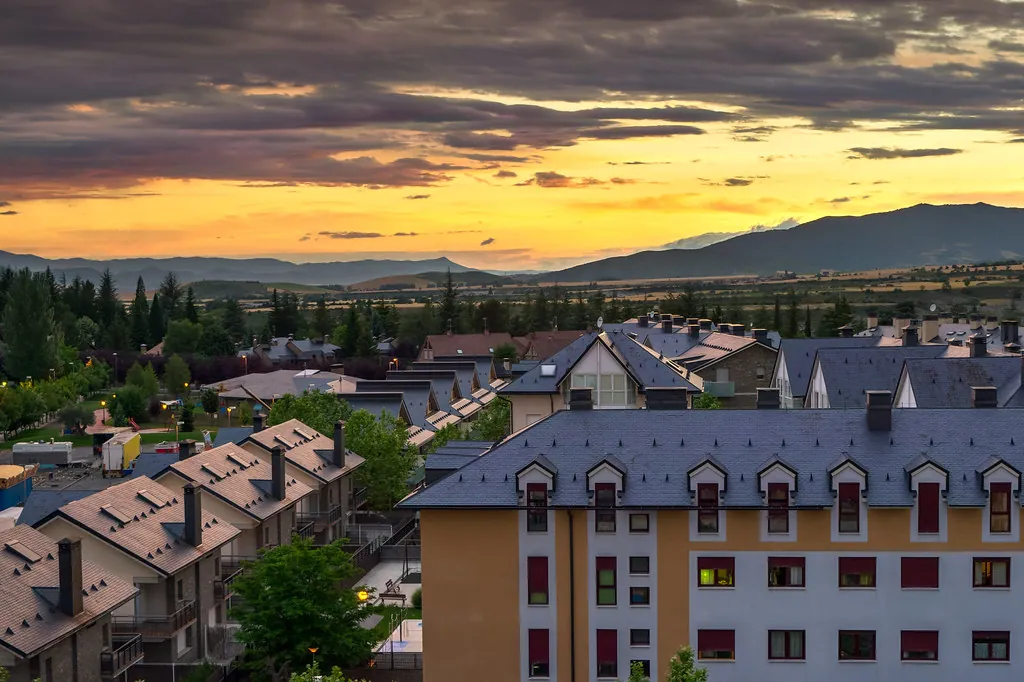
Tobed’s population sign still says 215, though school rolls and Sunday mass attendance suggest fewer. The village sits on a low ridge in the cereal ocean of the Comunidad de Calatayud, 62 km south-west of Zaragoza. Olive groves press in from the north; to the south the land tilts gently towards the Jalón valley and, on a lucid winter morning, you can just make out the iced crests of the Moncayo massif 90 km beyond.
The key is in the bar
Every British write-up begins and ends with the same instruction: find the key. The iglesia de San Pedro is kept locked because, frankly, there is nothing else to steal. Ask inside Bar Tobed – the only business open daily – and the owner will finish pulling a coffee, wipe hands on apron and lead you across the road. The bunch lives in a kitchen drawer between the toothpicks and the mobile-phone charger.
Unlock the heavy door and the reason for the fuss becomes obvious. A full-height Mudéjar tower rises directly from the nave, its brickwork patterned in alternating zig-zags and diamonds. Inside, the air smells of candle stub and old timber. The retablo mayor, gilded in 1642, fills the apse with spiral barley-sugar columns and a clutch of polychrome saints whose paint is flaking like sun-burnt skin. The guide-books call the ensemble “modest”; stand beneath the 28-metre ceiling and the word feels coy. No other building in the village tops two storeys, so the church’s proportions read as accidental grandeur rather than civic swagger.
A walk that ends where it starts
Tobed’s street plan is a lopsided triangle. From the plaza you can reach any point in under four minutes, including the cemetery. Houses are built from the local limestone – blonde, chalky, hand-tooled – with the occasional heraldic shield wedged above a doorway to remind you that somebody once mattered. Traffic volume is so low that dogs nap in the roadway. The only directional sign simply says “Calatayud 22 km” and points along the A-1512, a lane barely wide enough for two Sprinter vans to pass without folding wing mirrors.
Footpaths strike out between wheat fields. One follows the ridge east to the abandoned hamlet of Aldehuela, 5 km away; another drops to the Tobed ravine, a seasonal trickle fringed with poplar and reed. Both are farm tracks rather than way-marked trails: expect dust, thistles and the odd tractor tyre print baked into clay. Spring brings red poppies and the honking of common cranes overhead; October turns the stubble to bronze and fills the air with grape must from distant wineries. Allow ninety minutes for a circular stroll, longer if the wind is up – it scuds across these open plateau lands without apology.
Coffee, wine and the cash dilemma
Bar Tobed opens at seven for the agricultural shift and closes when the last domino player leaves. A café con leche costs €1.30, a glass of Calatayud DO red €1.80. Food is resolutely utilitarian: toasted mixto sandwich, plates of local chorizo, maybe a slab of potato tortilla if the owner’s sister is visiting. There is no menu del día; portions are sized for workers who have already burnt 2,000 calories before 11 a.m. Vegetarians can assemble a meal from bread, cheese and the jar of home-grown olives on the counter, but glamour-free is the deal.
Bring cash. The nearest ATM is in Ateca, 14 km south, and the card machine in the bar has been “broken since the summer” – a phrase repeated every summer. Mobile coverage flickers too; Vodafone disappears inside the church and EE users end up leaning against the east wall like smokers chasing signal.
Timing the silence
Weekdays outside fiesta season feel like trespassing on private calm. Tuesday morning in January the village is audibly frozen: gate hinges squeak, a loose sheet of corrugated iron rattles on a barn, your own footsteps echo between walls. Sunday in August is a different proposition. The fiestas patronales drag sound systems into the plaza, children career on rented scooters and someone’s uncle fires up a barbecue that smells of rosemary and lamb fat. Even then the head-count struggles to top 400, but it is enough to fill every spare room and to justify dancing until the key-keeper opens the church at dawn for the traditional misa de fiesta.
Spring and autumn offer the kindest light and temperature. In April the night-time thermometer can still dip to 5 °C; midday October hovers around 22 °C. July and August breach 35 °C by early afternoon; sightseeing becomes a dawn or dusk activity and shade is currency. Winter is bright, windy and raw – think Northumberland in February with added stone. Snow is rare, but the wind-chill can shave five degrees off the forecast.
A stop, not a stay
Over-nighters have one option: Casa Rural El Molino, a converted grain mill on the edge of the ravine. It has three bedrooms, wood-burning stove and a terrace that catches the last sun. The owners live in Calatayud and meet guests by arrangement; book two days ahead via WhatsApp. Otherwise base yourself in Calatayud itself – Hotel Castillo de Ayud, 22 km away, has underground parking and a lift wide enough for walking poles.
Most British visitors slot Tobed between Zaragoza’s Basílica del Pilar and a Calatayud wine-tasting. The arithmetic is brutal: 90 minutes to see the church, photograph the tower, drink a coffee and walk one field edge. Stay longer and you will start recognising the same three locals, the same pigeon on the same roof-ridge. That, of course, is precisely the point for a handful of repeat guests who return annually to be reminded that places still exist where the loudest noise at 10 p.m. is the automatic street-lamp switching on.
Leaving without buying the postcard
There isn’t one. No fridge magnet either, no artisanal soap, no hand-woven espadrilles. The village survives on agriculture and on the quiet conviction that not everywhere needs to monetise its soul. Lock the church door, return the key, nod thanks. The bell will still be striking the hour as you drive out, but by the time the olive groves thin into cereal plains the sound has already been swallowed by the plateau wind – a reminder that Tobed is perfectly happy to carry on without you, and that is probably its greatest, most unsettling charm.