Full Article
about Toril y Masegoso
Ocultar artículo Leer artículo completo
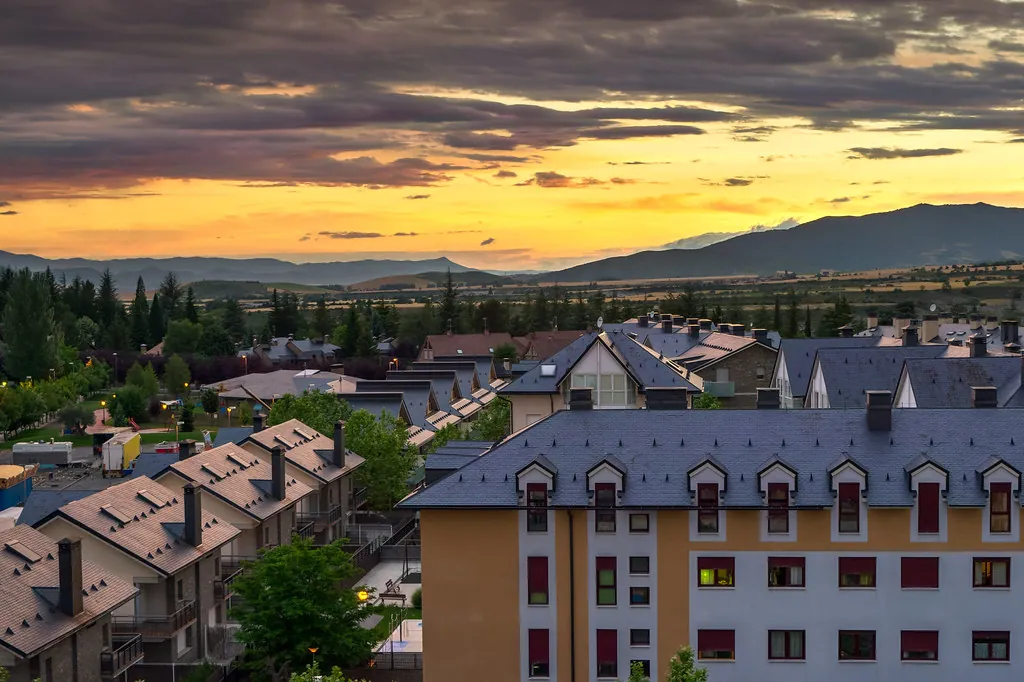
The stone houses appear suddenly after the last hairpin, their terracotta roofs the only warm note in a landscape of pine and grey rock. Toril y Masegoso sits at 1,490 metres, high enough for your ears to pop on the drive up from Teruel, high enough for the air to taste metallic when storm clouds roll in. Thirty-seven residents, two hamlets fused by bureaucratic penstroke, and a silence that takes getting used to.
Stone, Snow and Silence
Local builders knew what they were up against. Walls here run half a metre thick, windows are slits set deep into the masonry, and every house wears its roof like a helmet. The stone is the same iron-tinged red that bleeds through the soil when the tracks turn to mud. Inside, the rooms are small, ceilings low, beams blackened by centuries of woodsmoke. It is architecture built for minus fifteen, for snow drifting against the door until someone digs a trench to the woodpile. Even in May you will see villagers splitting logs, stacking them under the eaves with the methodical rhythm of people who remember the year winter lasted until June.
There is no high street, no plaza mayor framed by geraniums. The church of San Pedro stands at the geographical centre, a single-nave rectangle finished in 1783, its bell tower more functional than pretty. The door is usually unlocked; step inside and the temperature drops another five degrees. Frescoes? None. Gilded altarpiece? Forget it. Instead, thick plaster, a simple baroque retable painted tobacco-brown, and a notice board listing the dead from both civil wars—1936-39 and the Carlist wars before that. The same surnames repeat in columns: Buisán, Gimeno, Pérez. The population has been shrinking for a century and a half; the roll call of loss merely changes century.
Forests without Footprints
Leave the hamlet by the upper track and the pine forest swallows sound. This is pinares de rodal—scots pine planted in regimented lines during Franco’s push for timber, now thinning themselves out in storms and beetle attacks. The understorey is juniper, box and wild rose. Walk ten minutes and the only footprints are wild boar: two oval toes, the hind hoof dragging a line like a careless painter. Keep going and the track peters out onto a limestone ridge where griffon vultures turn in thermals, their shadows racing across the stone faster than the birds themselves.
The marked paths on the regional map are optimistic. Paint flashes fade, stone cairns fall over. A sensible rule: if you can still see the village cemetery’s white wall, you can find your way back. Beyond that, download the 1:25,000 sheet beforehand—mobile reception is theoretical. Distances feel longer at altitude; a contour that looks gentle on paper turns out to be a staircase of fractured slabs. Allow an hour for every three kilometres, more if the grass is wet and your boots lack tread.
Spring brings the best walking. Snowmelt fills the streams, the limestone smells wet, and the first narcissus appear in the cattle tracks. By July the grass is brittle, the streams have sunk to damp lines in the gravel, and every piece of shade hosts a viper waiting for lizards. August is for early risers: be on the ridge by seven before the thermals build and the vultures start their shifts. Autumn smells of resin and mushrooms; locals disappear into the forest with curved knives and wicker baskets, returning with níscalos (saffron milk-caps) that they fry with garlic and freeze in two-portion bags for winter.
What Passes for a Menu
There is no restaurant, no café, no bar. The nearest place selling coffee is twenty-two kilometres back down the road in Albarracín, and it closes on Tuesdays. Self-catering is compulsory. In the village, two households sell surplus vegetables from trestle tables outside their doors: whatever the wind hasn’t killed that week. Expect knobbly potatoes, bunches of dried oregano, and eggs that still carry the nest’s warmth. Payment goes in an honesty jar; take your change in five-cent pieces.
If you are invited inside, the table will be set with mountain arithmetic: half a kilo of meat per person, bread sliced two fingers thick, wine poured into a glass tumbler. Migas—fried breadcrumbs streaked with pancetta and grapes—arrive in the pan, the base caramelised to a single coal-black sheet that snaps under the spoon. Afterwards, homemade anis with a single coffee bean floating like a drowned beetle. Refuse the second glass and you will be told the first was only to clear the throat.
Getting There and Away
From Teruel, the A-1512 twists north through juniper steppe, then climbs. The asphalt is decent until the junction at El Cuervo; after that, single-track with passing bays cut into the rock. Meeting a timber lorry is a maths problem: who can reverse fifty metres to the nearest widening without shearing a door on the cliff? In winter the same surface is polished to marble by chained wheels; the regional government grades it “priority three”, meaning the snowplough arrives after everything else is clear. Carry blankets, water and a shovel between November and April. The village itself is usually passable before the road that feeds it, so check the plough’s Twitter feed the night before.
There is no petrol station. The last pump is in Albarracín; the next is in Orihuela del Tremedal, forty kilometres east. Diesel drivers can breathe easy; petrolheads should top up the jerrycan. Electric vehicles are, for now, a punchline.
Accommodation is limited to three village houses restored as holiday lets. Two sleep four, one sleeps six, all booked solid during Easter and the first two weeks of August. Expect stone floors, wood-burning stoves, and Wi-Fi that flickers whenever the wind changes. Prices hover around €90 a night for the small houses, €140 for the large one, linen included but towels bring-your-own if you want more than one each. Breakfast provisions—milk, coffee, bread—are left on the counter; anything fancier requires a twenty-five-minute drive to the supermarket in Gea de Albarracín.
Weather as Local Drama
At this altitude, forecasts are polite fictions. A still morning can collapse into a thunderstorm by lunchtime; hail in June is routine. The villagers’ rule of thumb: if you can see the antenna on the opposite ridge, rain is twelve hours away; if it disappears, you have twelve minutes. Carry a jacket even in July. Night temperatures drop to single figures even when Teruel is sweltering at thirty-two; bedrooms have electric blankets for a reason.
Snow arrives any time after Hallowe’en and has been known to fall on the village fiesta in early September. When it comes, the world shrinks to the distance a tractor can clear before supper. Children sled down the track to the spring on plastic fertiliser sacks; adults dig trenches so the postman can reach the letterbox. The silence thickens, padded by snow that stays pristine for weeks because no one walks anywhere unless they must.
When to Risk It
May and early June offer the kindest introduction: daylight until nine, streams still running, wildflowers in the cattle grids. September is quieter, the light sharper, mushrooms popping through the pine needles. Both months avoid the August exodus when every family with a second cousin in the village returns, parking pickups at angles that halve the already narrow lanes.
Winter is magnificent if you relish self-reliance. The road may close for a day or two; the shops certainly will. Bring snowshoes, a stack of paperbacks, and enough wine to make friends with whoever is digging the communal path. You will learn the difference between solitude and loneliness sometime around the third evening, when the wind rattles the shutters and the nearest streetlight is forty kilometres away.
Leave before the thaw, or you will find yourself promising to return for the sheep-shearing, the herb-gathering, the autumn slaughter—drawn back by a place that offers nothing much except space to hear yourself breathe.