Full Article
about Torrehermosa
Ocultar artículo Leer artículo completo
The church bell strikes noon and the only other sound is a tractor three fields away. Torrehermosa sits at 839 metres above the cereal ocean of central Aragón, population seventy-something, no shop, no bar, no traffic lights. If you arrive expecting a plaza mayor lined with cafés you will be disappointed; if you come prepared to ration conversation and calories, the place works.
The Village That Forgot to Grow
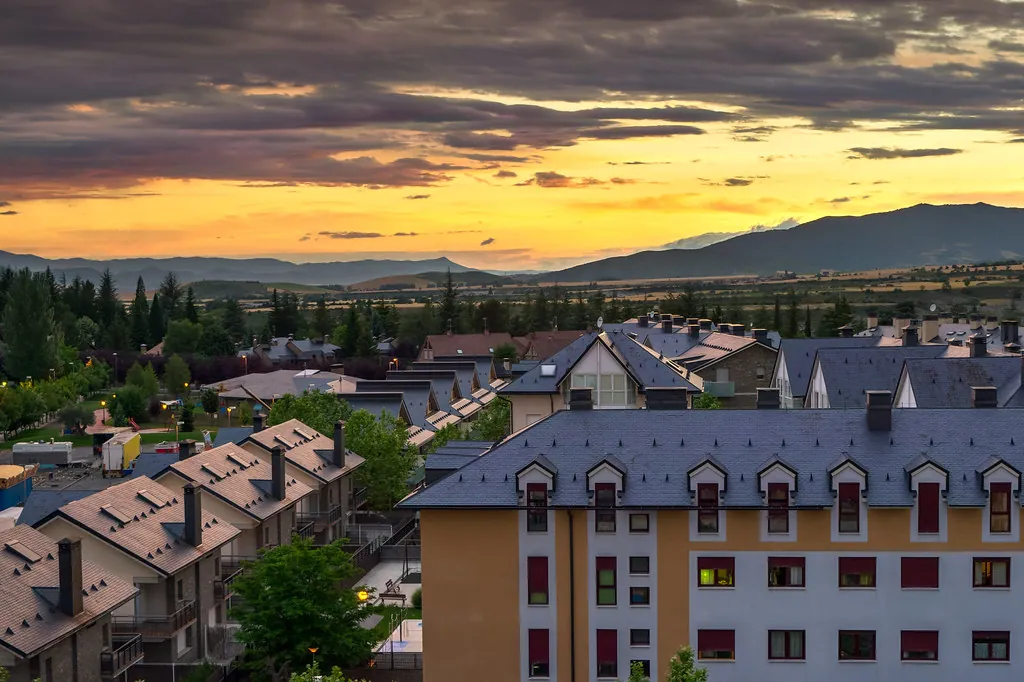
Stone houses with rust-red roof tiles shoulder together along a single lane barely two cars wide. Most doors still open onto lived-in kitchens – washing-up liquid on the sill, a dog asleep in the shade – yet every other façade carries a wooden hatch sealed decades ago where the village shop once traded. The architectural highlight is the parish church, a modest stone-and-brick box whose bell-tower doubles as the only vertical reference for miles. Step inside and you find a nave the size of a London coffee shop, a handful of pews, and frescoes that have faded to the colour of weak tea. It is not spectacular, but it fits the proportions of the settlement the way a well-made last fits a shoe.
Walk the five minutes from one end of the village to the other and you pass vegetable plots fenced with bedsteads, a threshing circle now used for parking, and a stone bench that catches the morning sun long after the houses have lost it. That bench is the social hub: village WhatsApp conversations happen here face-to-face.
Walking into Nothing and Enjoying It
Torrehermosa functions as a trailhead for anyone content with self-navigated rambles. A farm track south drops into the Barranco del Tuso, a shallow ravine where holm oak and pubescent oak survive on dew and shade; the loop takes ninety minutes and you are unlikely to meet another boot. North-east, a dusty camino rises gently across wheat stubble to the ruined cortijo of Los Llanos; from its collapsed roofline the view stretches forty kilometres to the Moncayo massif, snow-capped well into April. Carry water – there are no fountains – and download an offline map because way-marking is theoretical.
Birders with patience add calandra lark and little bustard to their list in spring, while autumn brings waves of skylarks descending on the recently drilled fields. Photographers should aim for the half-hour after sunrise when the cereal stubble glows like burnt toast and the shadows of scattered oak trunks stripe the ground.
Eating: Bring It or Drive for It
There is no bakery, no tapas bar, no Sunday roast. The nearest bread is ten kilometres away in Calatayud, along with supermarkets and cash machines. Accommodation follows the same rule: Hostal San Francisco keeps nine tidy rooms above the doctor’s surgery, but past British guests warn of thin duvets in February and a restaurant that may offer neither breakfast nor dinner depending on staffing. Phone the day before to check the kitchen status. Hotel Hacienda Don Manuel, five kilometres outside the village, occupies a converted grain mill with thicker walls and a proper heating system; still, dinner is by arrangement, not by right.
Self-catering is simpler. Zaragoza’s Mercado Central sells vacuum-packed ternasco (milk-fed lamb) and regional cheese; pack a cool bag, borrow the hostal’s microwave, and you can eat migas fried with chorizo on your bedroom balcony while watching the sun drop behind the cereal horizon.
When to Come and When to Stay Away
April and May turn the surrounding steppe bright green and temperatures sit in the low twenties – ideal for walking. September repeats the trick, adding the perfume of freshly cut straw. Mid-winter is another story: nights routinely dip to –5 °C, the wind whistles through ill-fitting windows, and the hostal heating switches off at midnight unless you beg. July and August bake; the landscape becomes yellow plate metal and shade is measured in centimetres. These are also the weekends when descendants of emigrants flood back, cars triple, and the village organises its fiestas: open-air dancing, a procession to the ermita, and a paella cooked in a pan the diameter of a satellite dish. If you crave silence, avoid mid-August; if you want to witness a community briefly re-inflated, book early.
Getting Here Without Public Transport
No train, no bus, no Uber. Fly to Zaragoza (two hours from London-Stansted on Ryanair outside peak summer, then a 90-minute hire-car dash west on the A-2). Madrid is the fallback: three-and-three-quarter hours of motorway, last 35 minutes on empty provincial roads where grain lorries are the only traffic. A sat-nav will try to route you through an unsurfaced farm track – ignore it and stay on the A-1512 until the brown church roof appears. Petrol stations close at 22:00; fill up in Calatayud if you are arriving late.
Speaking Spanish Is Not Optional
English is essentially non-existent. Download an offline translator and learn to pronounce key phrases: “¿Hay cena esta noche?”, “¿A qué hora encienden la calefacción?”, “¿Puedo usar la nevera?” The doctor who doubles as check-in clerk will meet you with goodwill and zero English; meet her halfway and she will lend you an electric heater.
The Honest Verdict
Torrehermosa offers horizon, hush and the occasional stork. It does not give you boutique linen, flat whites or souvenir tea-towels. If you measure holiday success by ticked-off sights you will be miserable within an hour. Arrive instead with walking boots, a cool box and realistic Spanish, and the village repays you with something hard to buy: the rare, slightly unnerving experience of a place that continues to exist for itself, not for you.