Full Article
about Torrelacarcel
Ocultar artículo Leer artículo completo
The church bell strikes eleven, but only four cars pass through Torrelacárcel's main street during the entire hour. At 979 metres above sea level, this Aragonese village demonstrates what rural Spain looks like when tourism hasn't rewritten the script. Population 140, altitude higher than Ben Nevis, and a soundscape where tractor engines and bird calls dominate—this is agricultural Spain without the gloss.
The Arithmetic of Emptiness
Fifty kilometres southwest of Teruel city, Torrelacárcel sits in a landscape that mathematics helps explain. The province of Teruel contains 1.47 inhabitants per square kilometre—roughly the same density as the Shetland Isles, but with considerably better weather. Drive the A-1513 and local roads for forty-five minutes from Teruel capital, and the arithmetic becomes visible: wheat fields stretch to horizons unbroken by farmhouses, olive groves occupy slopes too steep for machinery, and villages appear as stone clusters every ten kilometres or so.
The altitude changes everything. Summer mornings start fresh, even in August, though midday temperatures reach 32°C. Winter brings proper cold—temperatures drop to -8°C regularly, and snow isn't ornamental decoration but a practical consideration. The village's position on a ridge means wind accelerates across the plateau; pack layers even in May, and don't trust Mediterranean weather forecasts that ignore elevation.
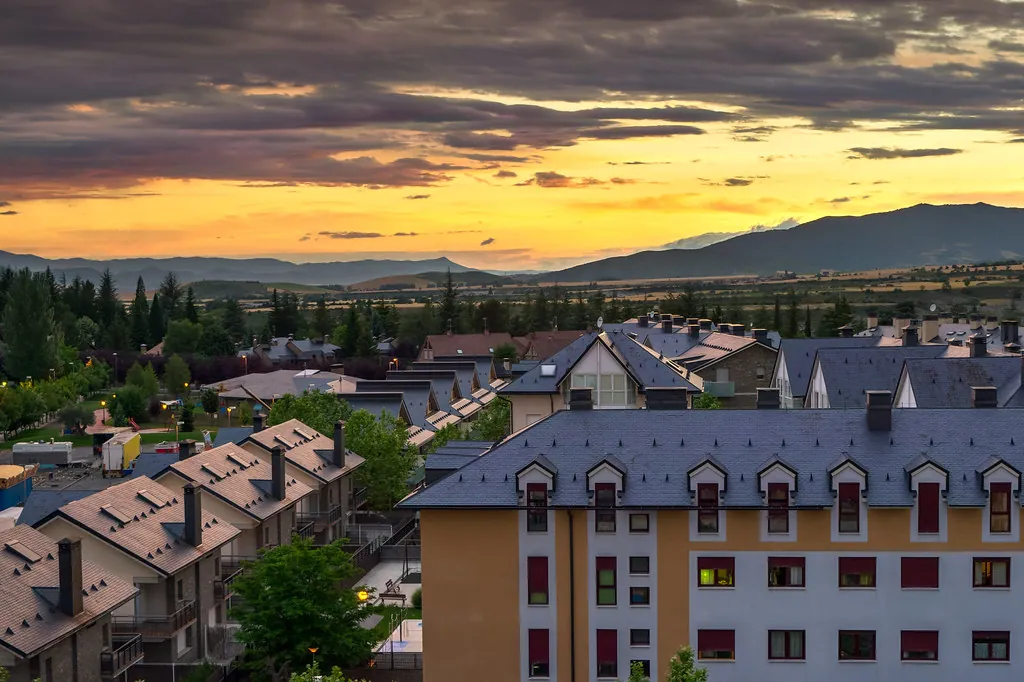
Stone walls mark property boundaries dating back centuries. These aren't the picturesque dry-stone constructions of Yorkshire Dales postcards, but functional divisions built by farmers who needed to clear fields and mark ownership simultaneously. The same pragmatic approach defines the village architecture: houses blend local stone with brick, roof tiles curve in Arabic profiles inherited from seven centuries of Moorish influence, and wooden doors show repairs rather than replacements.
Walking Through Someone's Workplace
Torrelacárcel lacks designated hiking trails, which paradoxically makes it more interesting for walkers. Farm tracks radiate from the village like spokes, following contours that agricultural logic rather than tourism departments created. Walk north and you'll reach abandoned threshing circles—stone platforms where families once separated grain by hand, now silent monuments to mechanisation. Southward tracks descend through almond groves, though climate change affects harvest patterns; farmers discuss rainfall statistics with the precision of meteorologists.
The village-to-village distances suit British walking standards: Cella sits 7 kilometres east, roughly ninety minutes across rolling terrain. Santa Eulalia del Campo lies 12 kilometres west—a proper half-day walk with 300 metres of elevation gain. Neither village offers tourist facilities, which means carrying water and arranging return transport. Local farmers in 4×4 vehicles will offer lifts, but Spanish language helps; English remains limited to basic greetings.
Photography works differently here. Dawn light transforms cereal fields into gold gradients, but the real subjects are details: irrigation channels carved through bedrock, iron door hinges forged before industrial production, elderly residents who dress for fieldwork rather than Instagram. Ask permission before photographing people—agricultural communities value privacy over publicity.
The Culinary Reality Check
Forget tapas crawls and wine tastings. Torrelacárcel's food scene consists of Casa Cuarto restaurant (open weekends, closed unpredictably) and whatever you bring yourself. The village shop stocks basics: tinned goods, cured meats, local cheese that tastes of thyme and rosemary from mountain pastures. Aragonese cuisine means substance over style—think Lancashire hotpot with olive oil instead of gravy.
Local specialities reveal geography. Caldo de cardo (thistle soup) uses wild plants that grow between wheat rows. Morcilla from nearby Teruel contains more rice than blood, creating texture closer to black pudding than Spanish expectations suggest. Olive oil carries DOP designation from nearby Bajo Aragón, peppery and green, nothing like supermarket versions. Prices reflect small-scale production: €8-12 for a litre of oil, €15-20 for proper jamón, roughly double British supermarket costs but quality that makes Waitrose seem pedestrian.
The August fiesta transforms food availability. For three days, temporary stalls sell churros, grilled sausages, and beer served in plastic glasses. Emigrants return from Zaragoza and Barcelona; the population triples, accommodation becomes impossible to find, and the village's single cash machine runs dry. Book accommodation months ahead—or avoid entirely, depending on your tolerance for amplified music until 3am.
Practical Mathematics for Visitors
Accommodation options require realistic expectations. The Parador hotel chain built a property here—architecturally sympathetic but fundamentally disconnected from village life, located 2 kilometres outside proper. Room rates hover around €120-150 nightly, expensive for rural Spain but standard for Paradors. Alternative options cluster in Teruel city, making day trips necessary unless you secure one of three village rental properties advertised online.
Car hire proves essential. Public transport reaches Cella, 7 kilometres distant, but bus schedules assume you're visiting relatives rather than sightseeing. Monday services don't exist; Saturday offers one bus each way; Sunday transport requires walking to the main road and hithiking ethics. Driving from Valencia airport takes two hours via the A-23 and local roads—straightforward but requiring attention after dark when road lighting disappears.
Mobile phone coverage surprises positively—4G reaches most areas thanks to a mast on the ridge above the village. Wi-fi remains patchy; cafes don't expect laptop workers, and the village library opens twelve hours weekly. Download offline maps before arrival, and remember that Google Maps underestimates travel times on single-track roads where agricultural vehicles have priority.
Weather demands respect regardless of season. Spring brings unpredictable changes—morning frost possible through April, afternoon temperatures reaching 25°C by May. Autumn offers the most reliable walking weather, though September can reach 35°C. Winter snow closes minor roads regularly; chains become necessary rather than advisory. Summer afternoons tempt siestas, but the UV index at altitude burns faster than coastal Spain suggests.
Torrelacárcel won't change your life. You'll spend more time reaching it than exploring it, encounter limited dining options, and probably question whether the journey justified itself. Yet the village demonstrates something increasingly rare: a Spanish community where tourism remains incidental rather than essential, where medieval street patterns survive because they function rather than photograph well, where the wind carries more authority than traffic noise.
Stay overnight and you'll hear the village's real soundtrack: church bells marking hours that locals ignore, dogs announcing strangers who might be neighbours, tractors starting at dawn because agriculture operates on natural schedules rather than visitor convenience. It's neither charming nor disappointing—merely honest, which perhaps explains why so few British visitors make the journey.