Full Article
about Torrelapaja
Ocultar artículo Leer artículo completo
The church bell strikes noon and only three sounds carry: a tractor shifting gear on the slope below, a door latch clicking shut, and the wind that has shaped this ridge-top village for centuries. Torrelapaja rests at 1,020 m above sea level on the southern lip of the Calatayud basin, high enough that the air thins winter lungs and summer nights demand a jumper. Thirty-five residents remain, roughly one per generation of the families who once terraced these grey-gold hills for wheat and olives.
Stone, Tile and Silence
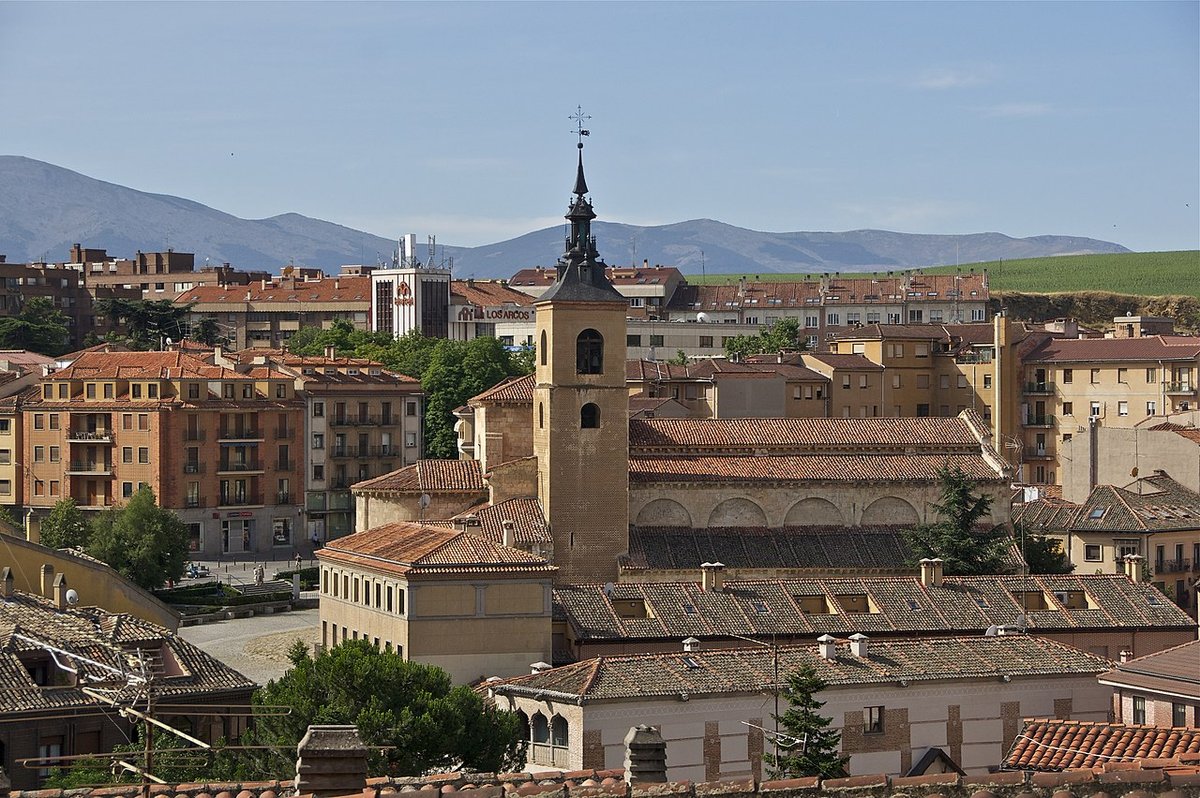
Houses climb the hill shoulder-to-shoulder, their back walls growing straight from the bedrock. Roofs wear the curved, cinnamon-coloured Arabic tile common to Aragón, weighed down with stones against the cierzo, the north-westerly that can top 60 km/h in February. Many façades have fresh cement pointing, paid for with EU restoration grants; others sit locked, wooden shutters bowed, keys hanging in a nephew's drawer in Zaragoza. The effect is neither ruin-porn nor museum piece—simply a village pausing to decide whether to sleep or wake.
The parish church of San Pedro keeps watch from the uppermost platform. Its squat tower, rebuilt after lightning in 1893, shows mismatched masonry: medieval limestone blocks at the base, twentieth-century brick higher up. Inside, a single nave smells of candle wax and damp stone; the altarpiece, gilded in 1734, lost its wings during the Civil War and never got them back. Locals unlock the door on request—ask at the house with the green Peugeot parked half on the pavement.
From the tiny plaza outside, the land falls away in rumpled folds towards the Jalón valley. On clear days you can pick out the blue slash of the Moncayo massif, 70 km distant, while directly below the A-2 motorway threads towards Madrid, invisible and inaudible from the village.
Paths that Pre-date the Map
Torrelapaja makes a natural hub for half-day walks of 6–12 km. The old mule track south-east to Villarroya del Campo drops 300 m through wheat terraces and kermes-oak scrub, meeting the tarmac 4 km later where a pre-booked taxi can collect weary legs. Northwards, a stone-laid corredoira climbs to the abandoned hamlet of Almochuel—roofs gone, but threshing circles still intact—then continues along the ridge to Paracuellos de la Ribera, total distance 11 km, total ascent 400 m. Markers are intermittent; download the 1:25,000 Cartografía Militar sheet or use the free Aragón GPS layer—phone signal is surprisingly strong on the heights.
Spring brings purple flax and white cistus flowers; autumn turns the cereal stubble to bronze and fills the air with threshing-dust. Boots are essential after rain: the clay-rich soil cakes soles and turns the steeper lanes into toboggan runs. Summer hikers should start early; by 11 a.m. the lack of shade becomes serious and the thermometer can nudge 36 °C despite the altitude. Winter walkers may find the Camino de la Serna impassable after snow—check the @calatayud_snow Twitter feed before setting out.
Bird life rewards patience. Short-toed eagles ride the thermals above the ridge from late March; red-billed choughs nest in the San Pedro tower, swooping acrobatically at dusk. Take binoculars, but don't expect hides or interpretation boards—this is do-it-yourself ornithology.
What Thirty-Five People Eat
There is no restaurant, no bar, no shop. The last grocery closed in 2007 when Doña Pilar retired; villagers now drive weekly to Calatayud (28 km, 35 min) or order bulk deliveries from the Eroski in Torrelavega. Visitors should stock up before the final climb—the supermarket in Cetina (14 km away) stays open 09:00–13:30, closed Sunday afternoon and all Monday.
If you rent one of the four village houses available through Casas Rurales de Aragón, cooking becomes part of the experience. Local lamb, ternasco, appears in freezer packs at the Calatayud market for €14 a kilo; it needs only rosemary, garlic and an hour in a hot oven. Migas—fried breadcrumbs with chorizo and grapes—works well on a camping stove when the electricity trips, as it did twice during last September's fiesta. The region's wine carries the Denominación Calatayud label; garnacha vines planted at 800 m keep acidity, yielding peppery reds under £9 in UK importers. Bring a bottle of Las Pizarras back for the neighbours and you'll be invited to see the 1920s wine press still standing in Don Saturnino's cellar.
One Weekend When the Population Quadruples
Every third weekend of August the village re-boots itself. Former residents return from Zaragoza, Barcelona, even Manchester, inflating the census to roughly 150. The fiesta honours the Virgen de la Asunción with a Saturday-evening misa cantada followed by a communal paella cooked in a pan two metres wide. Tickets (€10, children free) go on sale at 20:00 sharp; arrive late and you'll eat standing. Sunday brings a vaquilla—young heifers chased through makeshift fences in the upper corral, less dangerous than Pamplona but still capable of bruising over-confident teenagers. Monday ends with fireworks launched from the ridge, the echoes bouncing off the opposite cliff long after the lights fade.
Accommodation within the village is impossible during fiesta; book at least six months ahead or stay in Calatayud's Hotel Jenaro (doubles £70, secure parking). Even outside fiesta week, reserve early for April–May and October—there are only 14 tourist beds in the entire municipality.
Getting There, Staying Warm
Zaragoza–Delicias, served by Ryanair from London-Stansted, lies 120 km north-east. Pick up a hire car—compact is fine, but request snow chains between December and March. Take the A-2 towards Madrid, exit 252 at Calatayud, then follow the N-234 south for 9 km before turning right onto the A-1502. The final 12 km twist through pine plantations and suddenly break onto the exposed ridge; gradient touches 9% and the surface narrows to single-track with passing bays. Night driving after rain can be heart-in-mouth: stone walls appear without reflectors and sheep wander freely.
Fuel up in Cetina; the village has no petrol station and the nearest 24-hour pump is back in Calatayud. Phone reception cuts out in the last 4 km; download offline maps. If the high street looks deserted, try knocking at number 18—Conchita keeps the key box for two of the rental houses and knows where the others hide their spare.
Pack layers, even in July. Daytime 30 °C can collapse to 12 °C once the sun dips behind Moncayo, and the wind finds every gap in a fleece. A light down jacket weighs little and earns gratitude after midnight star-watching. The altitude and zero light pollution give skies dark enough for the Milky Way to cast shadows; bring a red-filter torch to preserve night vision and a thermos of something hot—coffee tastes better at a thousand metres.
The Quiet Arithmetic of Survival
Torrelapaja will never feature on a coach tour. Its charms are sparse: a well-proportioned church, three decent walks, a handful of restored houses and the realisation that, for centuries, people have chosen to live where the wind hits sideways and the nearest doctor is forty minutes away. Come if you want to practise slow arithmetic—counting stones, counting swallows, counting stars—and if you can tolerate the hush that follows when the last car leaves. The village does not sell souvenirs; it offers instead a yardstick against which to measure the noise you normally accept as life.