Full Article
about Torrellas
Ocultar artículo Leer artículo completo
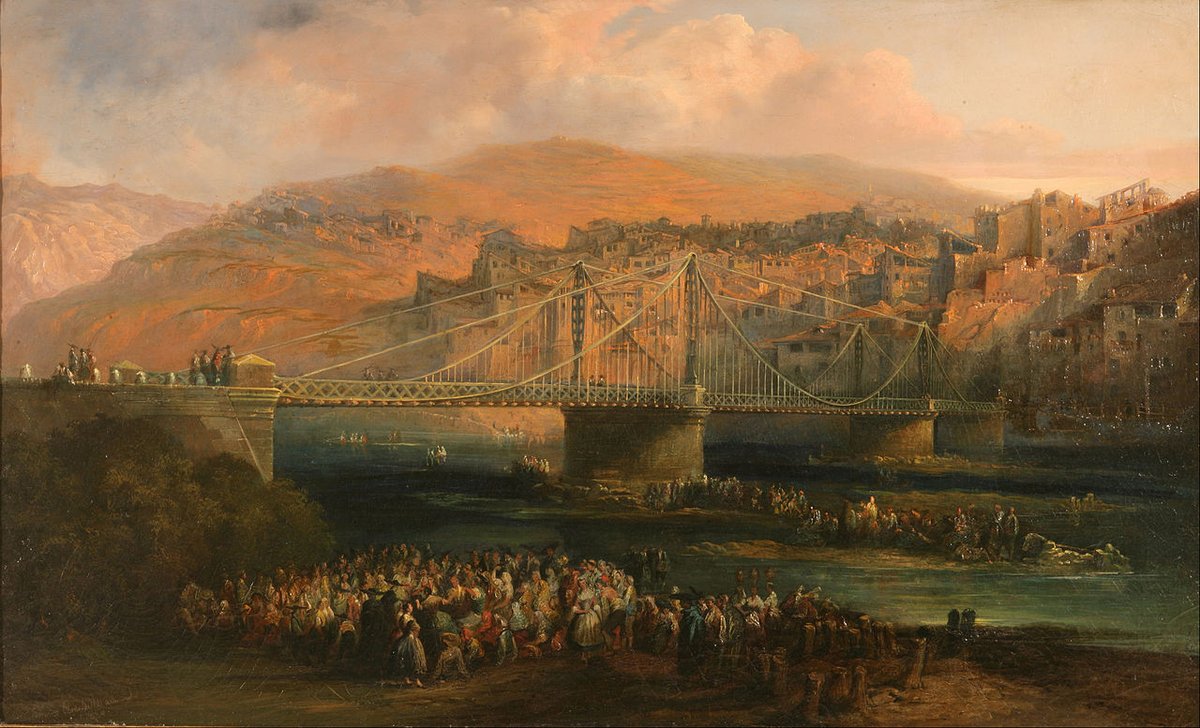
The wheat stops moving and the only sound is a tractor idling three fields away. At 570 metres above the Ebro basin, Torrellas doesn’t announce itself; it waits until you quit looking for spectacle and notice the details instead—how the mortar between stones is the same colour as the soil, how the church tower keeps the same angle as the grain silo, how every house seems to have been built by people who expected their grandchildren to live in them.
Two hundred and forty-eight residents, one baker who opens when the dough is ready, and a bar that doubles as the bus shelter on Thursdays. That’s the whole inventory. Strangers arrive expecting a plaza fountain and a selfie backdrop; they find a single tap marked “agua potable” and a notice board advertising Saturday’s card tournament. The village doesn’t apologise. It harvested 1,800 tonnes of barley last year; tourism receipts don’t even figure on the municipal ledger.
Stone, Clay and the Colour of Work
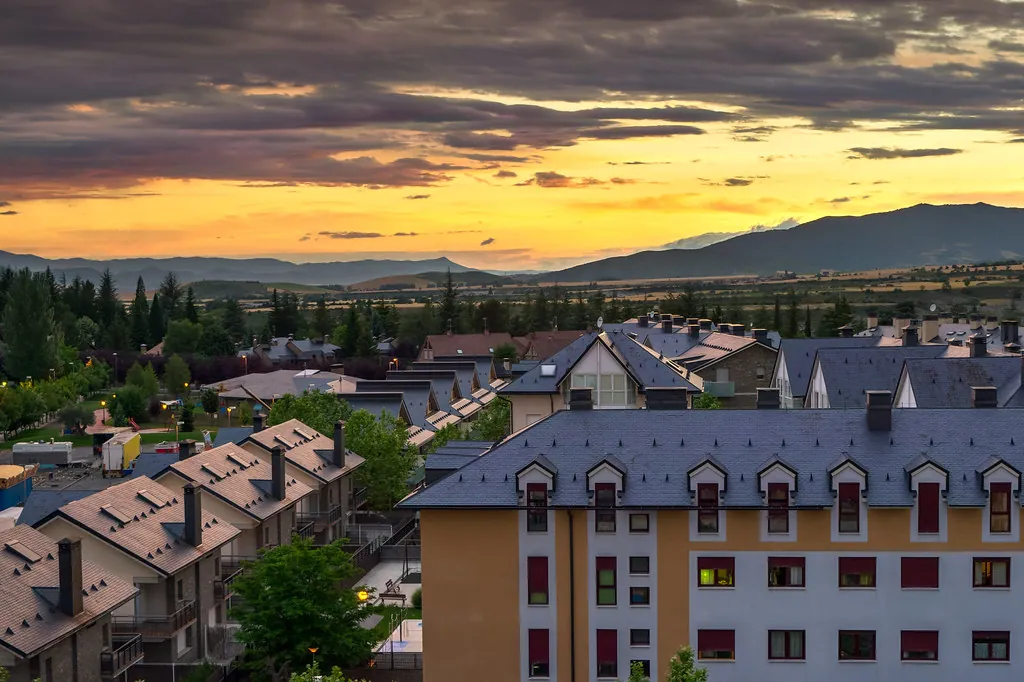
The streets are barely two donkeys wide, paved with granite setts polished by seventy years of tractor tyres. Houses grow straight from the bedrock: soft grey limestone below, brick the shade of dried clay above, rooflines interrupted only by chimney pots that still smoke in winter. Wooden balconies are painted the same ox-oxide green you see on the nearby irrigation wheels, a colour chosen because it lasts, not because it photographs well. If you want flowers, look at the fields; geraniums are for coastal towns that need the custom.
The parish church of San Pedro keeps its front door latched against starlings. Inside, the air smells of candle stub and grain dust blown in on work overalls. The altarpiece is seventeenth-century pine, gesso flaking like sunburnt skin; local children once carved initials into the base during catechism, proof that boredom is more durable than devotion. Mass is at eight on Sundays, earlier during harvest so men can be in the combines by nine. Visitors are welcome to sit, but the priest won’t slow the liturgy to accommodate photographs.
Walk twenty minutes past the last streetlamp and the ground begins to roll like a gentle sea. Wheat, barley, sunflowers rotate each season; the Moncayo floats on the horizon only when the air is scrubbed clean by a north wind. Footpaths are signed with rusted sheet-metal silhouettes of partridges—hunting is the unofficial parish map. In May the fields verge on neon; by late July they have burnt to biscuit. Bring water, there is no kiosk, no interpretive centre, just soil that has been worked since the Romans and will be worked long after the last travel blogger leaves.
How to Arrive Without Apologising for Being Late
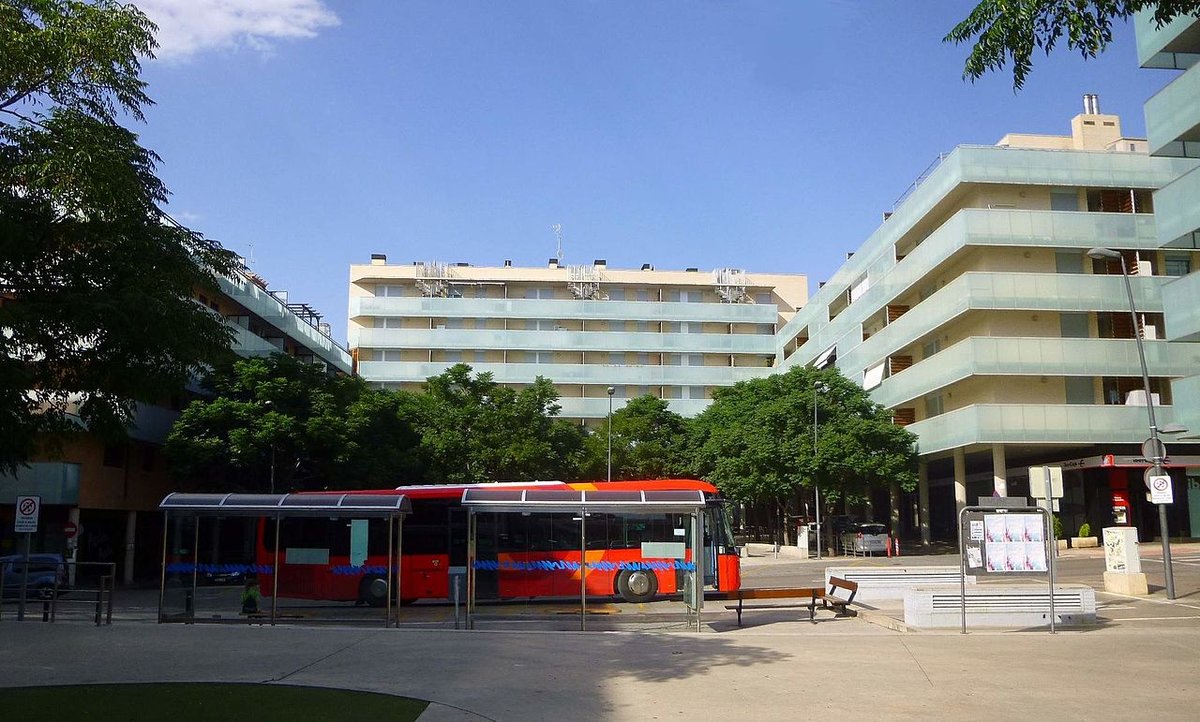
Zaragoza–Delicias high-speed station is ninety minutes away by road, but the final thirty kilometres are on the N-122 and A-126, single-carriageway blacktop that ribbons between lorry convoys hauling grain to the port of Bilbao. A hire car is the only practical choice; buses reach neighbouring Tarazona twice daily but none continue to Torrellas except on market day, and even then the return is before lunch. Sat-nav will try to send you down a farm track labelled “camino particular”—ignore it, stay on the signed road, and park on the concrete apron next to the football pitch that doubles as the livestock market once a month.
Mobile reception drops to one bar at the village entrance; by the time you reach the centre your phone will have given up and started searching for Morocco. This is not a malfunction. Cafés have Wi-Fi passwords written on scraps of cardboard, but connections collapse whenever someone microwaves a croqueta. Embrace the drop-out; it is the cheapest detox available in Europe.
What Passes for Gastronomy When Nobody Is Watching
The only restaurant opens at 14:00 sharp, closes when the last person leaves, and its menu is a laminated A4 sheet that hasn’t changed since the king’s last visit to the province. Order the menestra de verduras and you get whatever the cook’s garden produced this morning—perhaps calçots, perhaps cardoons, perhaps a fistful of spinach that still holds the morning dew. Lamb shoulder is roasted in the same wood oven that bakes bread on Wednesdays; the meat collapses under its own weight, and the fat tastes of rosemary that grows wild along the cemetery wall. A three-course lunch with house wine (Tempranillo poured from a plastic jug) costs €12. They do not take cards, they do not do vegan, and if you ask for gluten-free the waitress will stare as though you requested asbestos-free air.
Thursday is tortilla day at the bar. The omelette arrives still hissing from the pan, its centre the texture of custard, the edges caramelised to the colour of antique mahogany. Locals eat it sandwiched in baguette halves, salt only, no garnish, discussing rainfall forecasts in rapid Aragonese that even Madrid struggles to follow. Stand at the counter, order a caña, and you will be given the same portion size as someone whose family has lived here since the Civil War. Tourist prices do not exist because tourists are still a novelty.
Calendar of the Living and the Dead
Fiestas patronales begin on the third weekend of August and shut the village down for four days. The population triples; cousins who left for factory jobs in Barcelona return with car boots full of beer and children who have never seen a threshing machine. Brass bands march at 07:00, fireworks explode at midday, and by night the plaza becomes an open-air ballroom where teenagers flirt to reggaeton while grandparents dance the jota on the opposite side of the same square. Outsiders are welcome but not curated; if you want to join in, buy a €5 wristband from the peña stall and accept that someone will hand you a plate of migas at 03:00 whether you are hungry or not.
The rest of the year is quieter. On 1 November the cemetery gates stay open all night; families picnic among marble tombs, swapping stories about the dead as though they were merely hard of hearing. At Christmas the nativity scene includes a scale model of the village water tank, built from lollipop sticks by primary-school pupils. Easter Monday is the day of the shepherd’s mass: at dawn, two dozen sheep are herded into the church for a blessing that smells distinctly of lanolin and nervous wool. None of these events are advertised beyond a sheet of paper taped to the bakery door. Turn up, stand at the back, and nobody will ask why you came.
Leaving Before You Ruin It
Torrellas will not beg you to stay. The grain has to be trucked out, the chickens fed, the irrigation ditches cleared before the next storm. If you leave early enough on a weekday you will meet farmers heading to the cooperative, thermos of coffee wedged between tractor seats, radios tuned to prices for durum wheat. They will raise a hand in greeting, not because they know you but because ignoring passers-by is more effort than waving.
Drive back the same winding road. The Moncayo will shrink in the rear-view mirror until it is nothing more than a bruise-coloured smudge. Somewhere near the dual carriageway your phone will buzz back to life, delivering every notification you never missed. Read them if you must, but remember the moment when the only alert was a redstart clicking from the telegraph wire and the village below getting on with the centuries-old business of surviving the next harvest.