Full Article
about Torrevelilla
Ocultar artículo Leer artículo completo
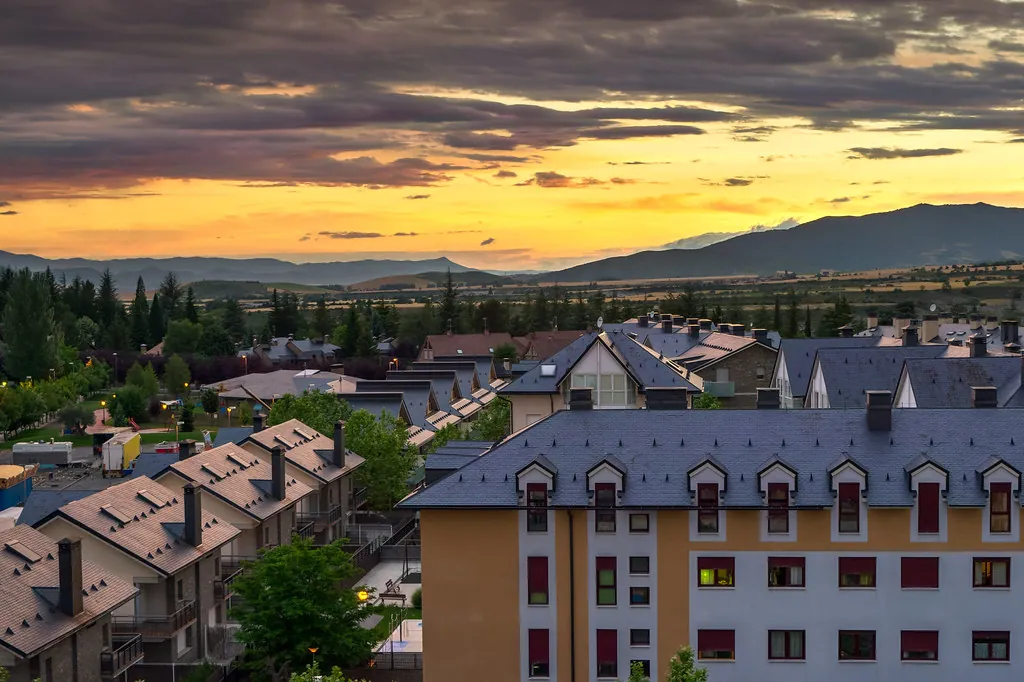
The road to Torrevelilla climbs 611 metres in the final six kilometres, switching back past almond terraces until the village appears—stone houses clustered on a ridge, their roofs angled to catch the winter sun. From the mirador beside the church, the view spills south across kilometre after kilometre of olive groves that fade into the haze above Valencia. On a clear morning you can just make out the blue line of the Gulf of Valencia, 90 minutes away by car yet feeling like another country.
This is the Bajo Aragón, Spain’s least-known olive belt. The province of Teruel keeps its tourism low-key; Torrevelilla, population 170, keeps it lower still. There is no ticket office, no audio guide, not even a souvenir fridge magnet. What you get instead is the sound of pruning shears clipping last year’s olive wood and, at dusk, the smell of wood-smoke drifting from chimneys that still burn what the growers discard.
Stone, Sun and Silence
The village nucleus is four streets and a plaza. Houses are built from the same honey-coloured limestone that lies under the groves, so the place seems to grow out of its own geology. Iron balconies hold geraniums in winter; in July they hold towels because every scrap of shade is claimed. The 16th-century church of La Natividad has a bell that strikes the quarters—loud enough to make you jump if you’re standing beneath it, soft enough to vanish among the cicadas by the time you reach the edge of town.
Walk east along Calle de la Cruz and the tarmac gives way to a farm track within two hundred metres. Keep going and you’re on the old mule path to Valdealgorfa, a two-hour loop that threads between ancient olives whose trunks are twisted like ship’s rope. The going is gentle—this is agricultural hill country, not alpine—but carry water; the only fountain is back in the plaza and the sun reflects off pale limestone even in March.
Winter brings a different light. January daytime temperatures hover around 10 °C, cold enough for a fleece but warm enough to sit outside at midday. When the tramontana wind blows from the north-west the sky turns porcelain blue and the Sierra de Javalambas, 60 kilometres away, look close enough to touch. Snow falls once or twice a season and melts by lunchtime, turning the lanes into temporary streams. If you’re driving, pack chains; the final kilometre hits 12 % gradient and the municipal gritter is a 40-year-old tractor that starts at the mayor’s discretion.
What Passes for Gastronomy
Hostal La Torreta, the only place to sleep inside the village limits, has seven rooms, beige tiles and wi-fi that copes with e-mails but not Netflix. It also has a terrace that catches the last of the sun long after the plaza is in shadow. Order the chuletón—half a kilo of Aragón lamb, grilled over vine cuttings, served with a dish of local olive oil instead of butter. The oil comes from the Valdealgorfa cooperative ten minutes down the hill; buy a five-litre tin for €28 and the barman will lend you a funnel so you can decant it into old water bottles for the drive home.
Pudding is almond tart, less sweet than bakewell, the pastry thick enough to soak up the glass of Moscatel that appears without being asked. If you need coffee afterwards, specify “café solo corto” or you’ll get a mug the size of a breakfast bowl. Lunch is served from 14:00 to 15:30; arrive at 15:35 and the kitchen is closed until tomorrow.
There is no shop. The last grocery, part of the front room of Doña Pilar’s house, shut when she died in 2018. For supplies you drive twenty minutes to Calanda—home of Luis Buñuel and a Thursday market that sells everything from saffron to wellingtons. Fill the tank while you’re there; the village pumps close at 18:00 and don’t reopen until 09:00, assuming they have diesel.
When the Village Wakes Up
August turns the calendar upside down. The fiestas patronales begin on the 14th with a procession that carries the Virgin two circuits of the streets, accompanied by a brass band that has clearly been practising since Easter. Bars set up temporary counters in the plaza; even the elderly men who spend the rest of the year comparing tractor horsepower take to the dance floor for the pasodoble. Visitors—mostly second-generation Torrevelillans back from Zaragoza or Barcelona—double the population for 48 hours. Book Hostal La Torreta early; the alternative is a windowless room above the bakery in Valdealgorfa where the extractor fan starts at 05:00.
Spring is quieter and greener. Almond blossom appears in the second half of February, a fortnight earlier than the tourist offices predict, and is gone by mid-March when the first swallow arrives. If you catch the timing right you’ll photograph pink petals against ochre stone under a sky that looks photoshopped. Local photographers swear by the ten minutes after dawn when the sun is low enough to light the blossom from underneath but hasn’t yet burned off the dew.
Getting There, Getting Away
The practical bit: fly to Valencia or Zaragoza. From Valencia’s Manises airport take the A-23 north, exit 136 Valdealgorfa, then follow the A-226 for 12 km of climbing hairpins. The entire journey from central London, Stansted to village square, can be done in under six hours if the M25 behaves. Car hire is non-negotiable—there is no bus, no taxi rank, and the nearest station is Alcañiz, 35 km away with two trains a day.
Leave room in the boot for olive oil. Spanish customs at Stansted will wave you through if you’re under ten litres; more than that and you’ll need to declare it as “other foodstuffs” and listen to a short lecture about commercial quantities. Wrap the tins in newspaper; the hold gets cold and the metal contracts, so the lids can work loose.
The Catch
Torrevelilla is not for everyone. If you need a flat white before 10:00, stay in Alcañiz where the cafés have Nespresso machines. Sunday lunchtime everything shutters; the church bell is the only thing working. Mobile reception is patchy inside stone walls—step into the street to send WhatsApp photos and the neighbour’s dog will accompany you, hopeful of biscuit tithes.
And yet. Stand on the ridge at twilight when the olives turn silver and the only sound is a tractor heading home, and you realise the village has given you something no heritage ticket can buy: an hour when the calendar slips by without notification. Take it, bottle some oil, and drive back down the hill before the night chill reminds you that, even in Spain, 600 metres is properly high ground.