Full Article
about Trasobares
Ocultar artículo Leer artículo completo
The limestone wall above Trasobares glows apricot at 7 pm, its pockets and tufas still warm from the day's sun. From the village fountain, a three-minute shuffle up a cobbled alley brings you to Sector Insectus Solarium, where 24 bolted routes start within arm's reach of olive terraces. No car required, no queue, no entry fee—just chalk up, clip the first bolt and climb until the swallows cut low overhead.
Trasobares sits on a stepped ridge at 649 m, halfway between Zaragoza and Soria. Officially it belongs to the comarca of Aranda; unofficially it belongs to whoever has a rope and a rack of quick-draws. The permanent population hovers around 125, but at weekends that figure doubles once the Spanish number plates start nosing into the hair-pin bend that doubles as a car park. Brits usually arrive first, having discovered the place through UK climbing forums that rave about “350 routes within a fifteen-minute radius” and grades that “feel honest until the crux, then vicious”.
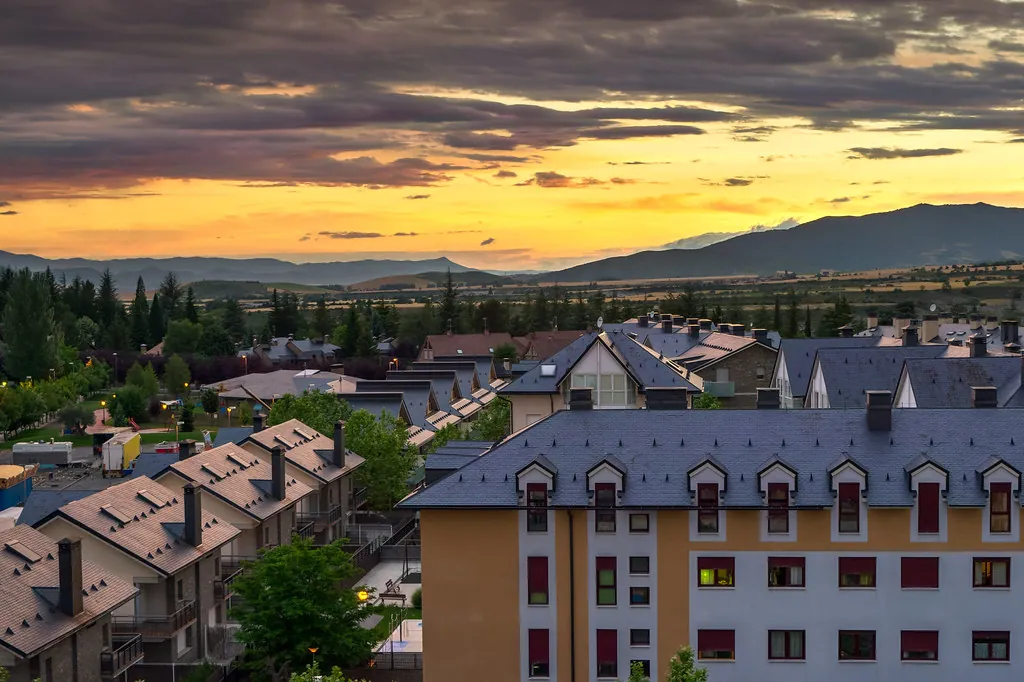
The climbing is the magnet, yet the village survives because it refuses to turn itself into a crag theme park. There is one bar, one shop, one campsite and zero souvenir stalls. Houses are built from the same honey-coloured stone that forms the cliffs, their wooden balconies sagging like old deckchairs. Washing flaps from upper windows; a cat sleeps on a scooter seat; the loudest noise is the click of quick-draws against harness gear loops as climbers wander back for a caña.
Stone, Sky and the Sound of Chalk
Morning starts cool, even in July. By nine the sun has edged over the Sierra de Vicort and the south-facing sectors—La Catedral, El Muro Magico—are already too hot to hold. Smart parties migrate to the river gorge where tufas drip like candle wax and the temperature drops five degrees. Here the routes carry names such as “Sombra y Refresco” and “Paca la Borrica”, the latter a 6b+ that starts under an overhang shaped uncannily like a donkey’s head. A 60 m single rope suffices for almost everything; take 14 quick-draws and the LaPirca app downloaded offline—phone signal dies the moment you drop below the olive line.
Lunch is a movable feast. Some climbers retreat to the bar for tortilla the diameter of a steering wheel; others stretch hammocks between almond trees and snack on bocadillos stuffed with morcilla that cost €3 at the shop. The shopkeeper, Mari-Carmen, opens when she feels like it, rarely before 10 am and never on Wednesday afternoons. If the shutter is down, Calcena—ten minutes up the road—has a wider fridge and an ATM that actually works.
Afternoons are for siesta or shade hopping. The west-facing walls above the cemetery stay cool until 4 pm, their grey pockets dotted with white chalk arrows. Locals watch from doorways, curious but not nosy; children practise kick-ups in the lane, ignoring the foreigner flailing on a 6c. When the sun finally slips behind the ridge, the whole village exhales. Temperatures fall fast—Aragon’s continental climate at work—so keep a fleece in the rucksack even in August.
When the Crags Fall Quiet
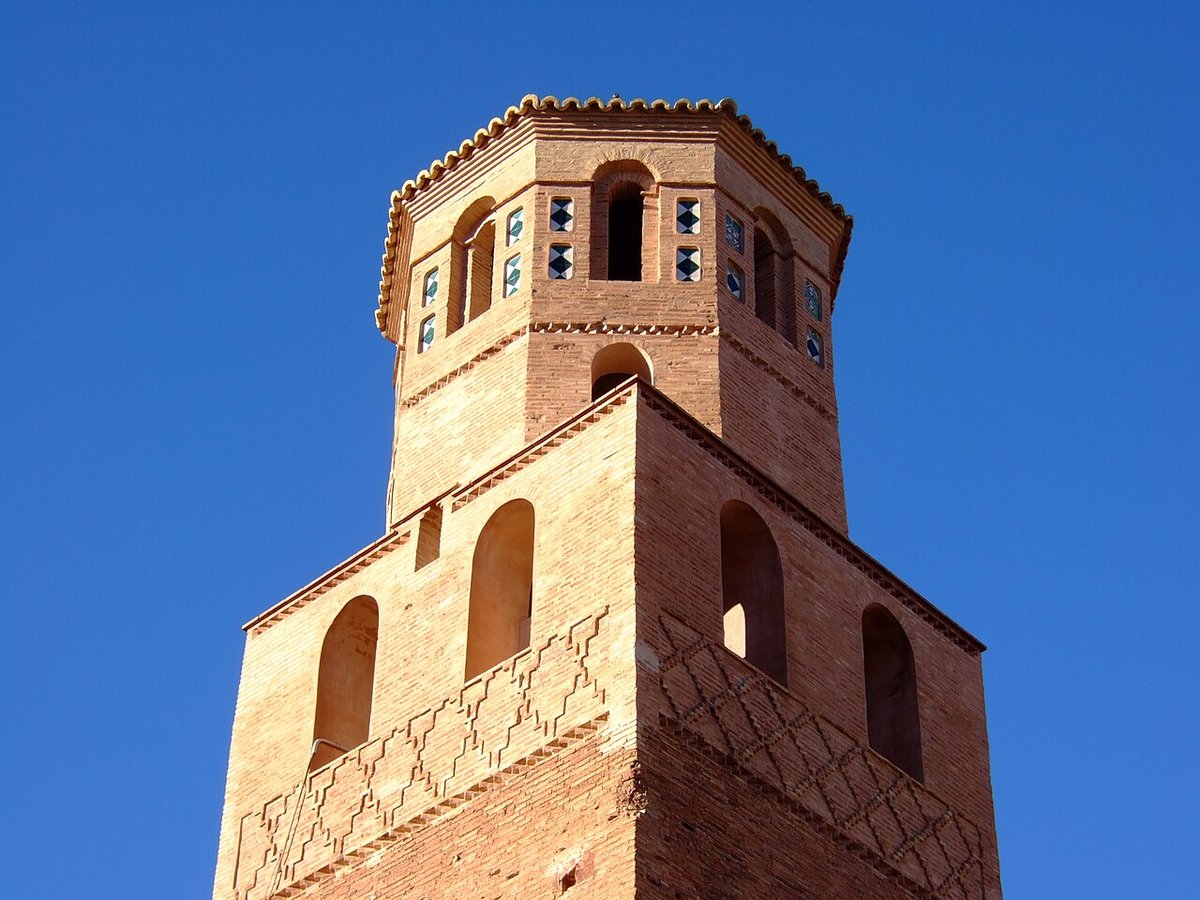
Non-climbers sometimes wonder what else there is. The honest answer: not much, and that is the point. The parish church of Nuestra Señora de la Asunción stands square at the top of the hill, its squat Mudéjar tower more lookout than bell-tower. Inside, the air smells of wax and damp stone; the altarpiece is nineteenth-century, provincial, unflashy. A single postcard rack offers views of the village in 1973—identical roofs, half the inhabitants.
Below the church a lattice of lanes folds back on itself. Every turn ends either at the river or at somebody’s woodpile. Houses still use the original timber beams; many retain carved eaves whose designs—grapes, suns, twisted rope—echo the motifs climbers finger on the crags. A short stroll east brings you to the Camino de la Ermita, a dusty track that contours through cereal fields to a ruined hermitage. The walk takes twenty minutes, longer if you stop to photograph the way the light pools in the threshing circles. Golden eagles ride thermals overhead; in April the fields are emerald, by late June they have bleached to biscuit.
Evening options are limited but satisfying. Bar Casa Blas projects the previous night’s football on a wall-mounted telly; conversation stops when someone tops out on the hard route of the day and the whole terrace leans sideways to watch through the doorway. Beer is €1.80 a caña, tapas appear without asking—olives, cubes of cheese, the occasional plate of jamón carved straight from the haunch hanging above the bar. If you are lucky, Blas will still have chuletón de cordero on the grill: a mountain-rib steak the size of a climbing shoe, cooked rare, salted heavily, served with half a loaf to mop the juices.
Beds, Bivvies and the Back-of-Beyond
Accommodation splits three ways. The municipal albergue costs €8 a night and has hot showers, a kitchen and wi-fi that flickers like a bad head-torch. The campsite, two minutes past the last house, charges €5 per tent and lets you use the pool in summer—cold enough to make 7a+ crimps feel easy afterwards. Finally, Calcena’s refurbished casa rural offers proper beds from €45 if you need a rest day duvet and a washing machine.
Winter is a different story. January mean temperature hovers at 4 °C, the limestone seeps and north-facing routes turn green. Roads stay open—gritting reaches even this backwater—but the village empties, the bar shortens its hours and the shop may not open for days. Come then only if you like solitude, or if snow-dusted olive groves photograph better than redpoints.
Spring and autumn deliver the sweet spot. March brings almond blossom and 18 °C afternoons; October serves up friction-perfect 22 °C days followed by star-soaked nights. Stand in the lane after midnight, head-torch off, and the Milky Way arches from the ruined hermitage to the crags like a chalk-dusted constellation.
Leaving Without Leaving a Trace
Pack out your finger tape, pay for the app, buy at least one bottle of the local olive oil—thin, peppery, bottled in unlabelled plastic for €6. Mari-Carmen will wrap it in yesterday’s Heraldo de Aragón and remind you that Trasobares is “tranquilo, muy tranquilo”. She means it as warning and invitation in equal measure.
Drive back down the zig-zag to the N-122 and the twenty-first century re-asserts itself: lorries, roundabouts, 120 km/h limits. Within an hour Zaragoza’s apartment blocks glint on the horizon. Behind you the ridge shrinks in the mirror, the tower of Nuestra Señora the last thing visible, more like a belay stake than a church spire. Somewhere up there the limestone is cooling, the chalk is resetting, and a village the size of a London climbing wall is settling into silence—until next weekend, when the ropes unfurl again and the temporary citizens return.