Full Article
about Urries
Ocultar artículo Leer artículo completo
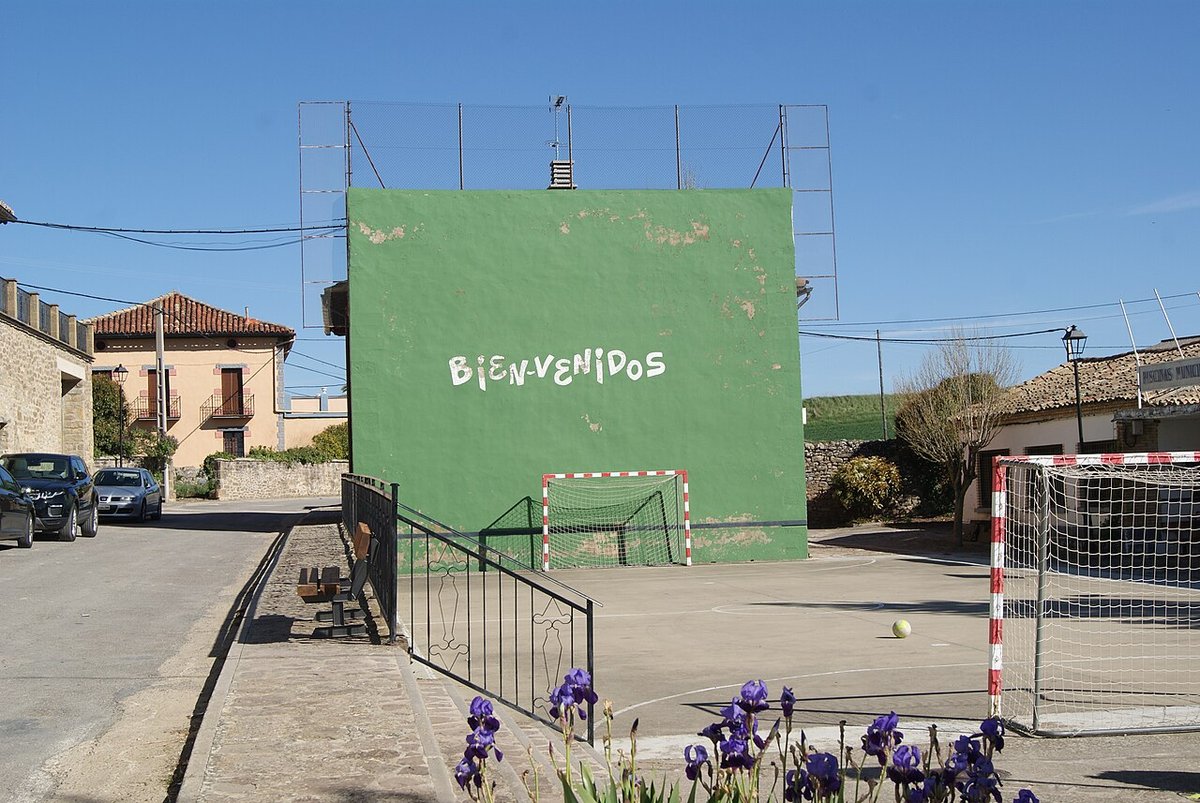
The tractor that left tyre tracks across the cereal field at seven this morning is probably the loudest thing that will happen in Urries all day. Forty-nine residents, 557 metres above the Ebro basin, and a single bar that opens when the owner finishes feeding her chickens—this is not a metaphor for tranquillity, simply the arithmetic of a village that never bothered to grow.
Stone houses shoulder together along lanes just wide enough for a hay bale and a donkey. They are the colour of dry biscuit, the mortar between them flush with the walls after centuries of repointing. Look up and you will notice wooden eaves warped into gentle smiles; look down and the cobbles dip like saucers where cartwheels ground the same line for generations. Nothing is staged. A front door stands open, inside a television flickers with the sound muted. A woman in an apron carries a colander of lettuce from garden to kitchen without glancing at the stranger who has parked beneath the elm. The place is still inhabited, not curated.
The church that watches the fields
San Miguel Arcángel squats at the top of the only pronounced hill. Medieval footings, seventeenth-century bell tower, roof tiles the shade of burnt toast. The key hangs in the bakery three doors away; if the baker is out you wait, which is part of the ritual. Inside, the nave smells of candle wax and grain dust. Sunlight drops through a single oculus onto the altar cloth, bleaching the crimson to rosé. There are no explanatory panels, no audio guides, only the creak of pine pews expanding after noon heat. Stay long enough and you will hear sparrows nesting in the organ pipe—more reliable than any scheduled recital.
Walk the perimeter and you realise the building was aligned to the agricultural calendar, not the cardinal points. The apse catches dawn at harvest, the porch shades labourers during the August wheat threshing. Faith here was always tethered to soil moisture and the price of barley.
Tracks that suit stout shoes
South of the last house the lane turns to compacted earth and splits like a tuning fork. Both prongs are signed in fading paint: “Castildetierra 5 km” and “Sierra de los Caballos 7 km”. Neither qualifies as a mountain trail—gradient gentle enough for a terrier, stones small enough for sandals—but the views widen faster than the effort suggests. To the north the cereal plateau ripples, every hedgerow casting a ruler-straight shadow. To the south the land folds into softer, shrubbier country where red kites circle on thermals and the only sound is your own breathing.
Spring brings poppies stitched through the wheat; autumn turns the stubble to brass and the sky to wet porcelain. In July the heat shimmers so hard the villages seem to float, but the paths are empty and lizards skitter ahead like thrown pebbles. Carry water: the single fountain on the western track drips, rather than flows, and cattle have priority.
What you will not find (and might miss)
There is no cash machine, no Sunday newspaper, no craft shop selling fridge magnets shaped like bulls. The bakery makes exactly twenty baguettes; when they are gone, the shutter comes down. If you arrive after nine in winter you will eat whatever the hostal owner defrosts—probably migas with grapes, possibly tinned asparagus if the delivery van was late. Dietary requirements are met with a shrug that means “we like you, but this is what we have”.
Mobile signal drops to one bar beside the church and vanishes entirely in the grain silo shadow. This is not a sales pitch for digital detox; it is simply inconvenient if your hire-car tyre hisses flat on a Saturday evening. The nearest garage is twenty-two kilometres away and the mechanic fishes trout on Sundays, so bring a spare or bring patience.
Seasons measured by wind
The cierzo arrives without introduction, a cold north-westerly that can gust to seventy kilometres an hour and blow the scent of threshing floors all the way to Zaragoza. In winter it slices through denim and makes the stone houses hum like bass strings. Temperatures dip below zero most nights from December to February; the puddles on Calle Mayor freeze into glassy commas that survive until noon. Heating in the hostal is by pellet stove—efficient but fragrant, so your clothes will smell faintly of pine sawdust for days.
Summer, by contrast, is a kiln. Daytime highs sit reliably in the mid-thirties; the streets empty between two and five, the only movement a ginger cat teleporting from doorway to doorway. Evenings soften, swallows stitch the sky, and neighbours drag plastic chairs onto the single paved square to discuss rainfall forecasts with the solemnity of stockbrokers. If you want company, turn up after the church bells strike nine carrying a bottle of Somontano garnacha—corkscrew borrowed from the baker, glasses borrowed from the house opposite.
Getting here, getting out
Zaragoza airport to Urries is 80 km of mostly empty dual carriageway followed by 20 km of curling rural asphalt. The last section crosses an irrigation canal so still it acts as a mirror; drivers instinctively slow, fooled by the illusion of a second road in the sky. Car hire is essential: public transport terminates at Ejea de los Caballeros, twelve kilometres away, and the weekday bus from there to Urries was cancelled in 2019. A taxi can be summoned but the fare equals a decent hotel dinner in the capital, and the driver will expect conversation about Brexit.
Leave early if you are catching an afternoon flight; the A-127 is beloved by articulated lorries serving the grain depots, and overtaking lanes are brief. Fog pools in the basin during October and November; visibility can drop to fifty metres before sunrise.
One inn, one menu, one rule
Hostal Restaurante Urries has six rooms above the dining parlour, all facing the cereal silo. Beds are firm, linen starched, Wi-Fi theoretical. The tariff hovers around €55 a night including breakfast—coffee from a glass percolator, toast rubbed with tomato, and olive oil sharp enough to make the back of your throat cough. Evening meals must be ordered before noon; the shopping list is driven to Ejea once a day and the owner refuses to make a second trip for fussy eaters. Expect lamb shoulder slow-cooked with thyme, or chickpeas and spinach depending on the day. Pudding is usually cuajada, sheep’s-milk curd drizzled with honey from hives you can see across the lane.
The single rule: doors lock at eleven. This is not a curfew, simply the hour the family goes to bed. They will hand you a key if you ask politely, but the message is clear—Urries does not organise itself around visitors. Adapt, and you gain an informal invitation to help feed the chickens; decline, and the village will still greet you at dawn, though perhaps with gentler curiosity.
Leaving without souvenirs
There is nothing to buy except what you remember: the smell of hot bread mixing with engine oil, the sound of the cierzo rattling a loose stable door, the sight of wheat heads bowing in perfect formation like a congregation. Photographs work, yet the village imprints itself more stubbornly as a cadence—the unhurried rhythm of tasks dictated by daylight and weather. Back on the A-127 the mirror canal flashes once more, reflecting a car that suddenly feels unnecessary. Keep driving; the road straightens, lorries multiply, and the signal bars return. Urries has already forgotten you, quietly, the way a field forgets a footprint.