Full Article
about Val de San Martin
Ocultar artículo Leer artículo completo
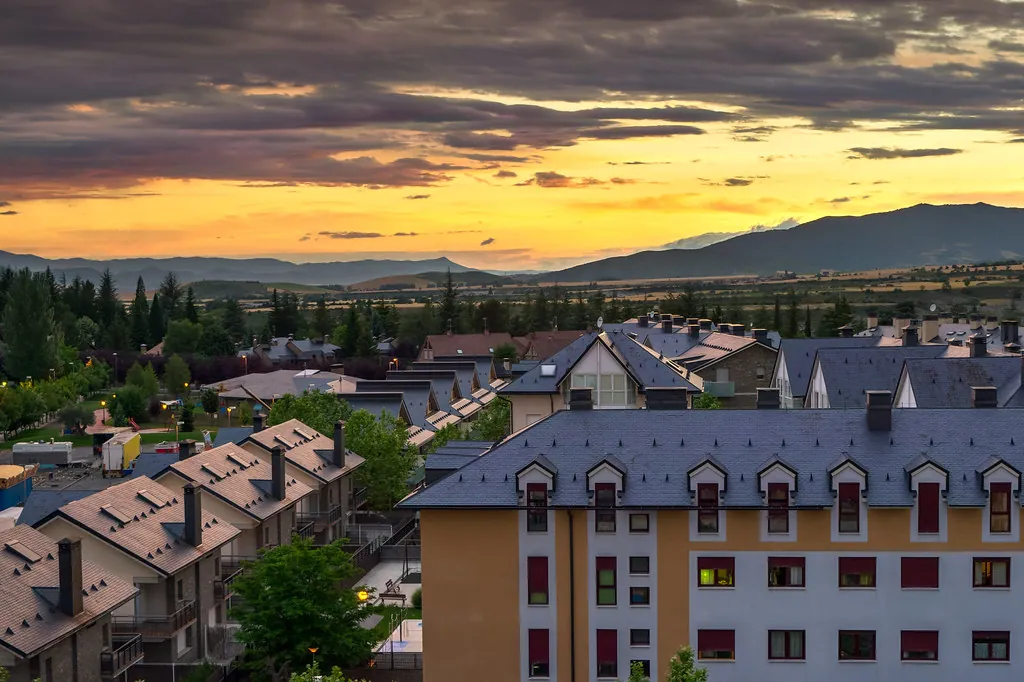
The church bell strikes eleven, though time feels negotiable here. A woman waters geraniums on a stone balcony while her neighbour sweeps dust that will return within the hour—dry earth from cereal fields stretching beyond the village like an ocean paused mid-swell. This is Val de San Martín, 997 metres above sea level, population eighty-three, where the Aragonese plateau keeps its own rhythm and tourists remain theoretical.
The Arithmetic of Silence
Sixty kilometres southwest of Zaragoza, the road to Val de San Martín narrows from dual carriageway to single track so abruptly that sat-nav systems panic. Wheat and barley replace traffic; the only queue forms behind a tractor hauling hay bales. At approach, the village appears almost accidental—a cluster of stone houses huddled against prevailing winds that have shaped the landscape since Moorish farmers first scratched furrows here.
The mathematics is brutal: one bakery (closed Tuesdays), one bar (weekends only), zero cashpoints. Mobile reception flickers between one bar and none, depending on cloud cover and whether you've offended the telecommunications gods. What Val de San Martín offers instead is horizontal space—vast skies that make the human footprint seem provisional, temporary, slightly absurd.
Stone walls the colour of weathered parchment contain narrow lanes where shadows pool even at midday. Houses bear mason's marks from the 16th century; some retain original wooden beams thick enough to support centuries of harvests, weddings, and winter deaths. Doorways arch with the precise geometry of master craftsmen who knew their work would outlast their grandchildren. The effect isn't quaint—it's evidence of survival in a landscape that tolerates human presence rather than welcomes it.
Weather as Architecture
Climate here operates as the village's primary architect. Summer temperatures touch 38°C; winter drops to -8°C. Spring arrives late, autumn early, both brief as apologies. The wind—always the wind—shapes trees into permanent bows, teaches doors to slam, whispers insistent questions about why anyone stays.
Yet this exposure creates its own theatre. Thermals rising from sun-warmed fields attract raptors: golden eagles, peregrines, the occasional griffon vulture drifting in from the Moncayo massif. Binoculars aren't essential but they help distinguish silhouettes against skies so blue they seem almost confrontational. Dawn and dusk extend photographic possibilities; the plateau's flatness means golden hour lasts longer than geography suggests possible.
Walking tracks radiate from the village like spokes, following ancient drove roads where merino sheep once moved between summer and winter pastures. The GR-90 long-distance path passes within three kilometres, though signage ranges from minimal to non-existent. Paths weave through cereal monoculture punctuated by holm oaks—each tree a sovereign state providing shade for livestock and landmark for walkers who've mislaid faith in their sense of direction.
The Church that Owns the Horizon
San Martín de Tours church dominates physically and psychically. Romanesque bones wear later Gothic additions; inside, a 17th-century retablo depicts the saint sharing his cloak with a beggar, though local interpretation favours sharing bread with neighbours during the November fiestas. The building stays locked—find the key keeper requires asking at the house with purple curtains, though this changes according to village politics and who's died recently.
The interior rewards persistence: Mudéjar ceiling beams painted with geometric patterns, a font where generations were baptised, wiped, returned to earth. Light filters through alabaster windows creating the kind of illumination that makes believers of atheists and photographers of phone-wielding teenagers. Sunday mass at 11am attracts twelve regulars on a good week; visitors who attempt communion without understanding Spanish ritual receive sympathetic smiles and whispered guidance.
Eating Stones
Gastronomy reflects elevation and isolation. Lamb raised on mountain herbs develops flavour that makes supermarket versions taste like damp cardboard. Local chickpeas, smaller than standard varieties, require overnight soaking but reward patience with nutty depth. The wine—when you can find it—carries mineral notes from vines stressed by altitude and minimal rainfall.
But here's the catch: Val de San Martín contains zero restaurants. Zero hotels. The weekend bar serves crisps and beer; anything more substantial requires forward planning. The nearest proper meal lies twelve kilometres away in Daroca, where Mesón de la Villa does roast lamb worth the journey, though their opening hours obey lunar cycles rather than Google listings. Self-catering becomes essential; bring supplies or face dinner composed of whatever grows in roadside ditches (thyme, rosemary, existential despair).
Practicalities for the Persistent
Access demands either car hire from Zaragoza (€45 daily) or infrequent bus services that run school-term timetables. The 501 line connects Zaragoza to Daroca twice daily; from there, taxi costs €25 but must be pre-booked—drivers don't wait hoping random foreigners materialise. Winter snow occasionally cuts road access; spring mud creates its own challenges. Summer brings heat that makes walking between 1pm and 5pm actively dangerous; early starts aren't romantic, they're survival.
Accommodation options within the village itself: precisely none. Nearest beds sit in Daroca's Hostal El Pilar (doubles €55, basic but clean) or rural casas rurales scattered across the plateau, prices ranging €80-120 nightly. Camping wild remains technically illegal though enforcement depends on whether the local farmer objects to your tent occupying his wheat field. Water sources exist but require purification tablets; the village fountain flows potable but carries enough mineral content to upset delicate British stomachs.
The Question of Why
Val de San Martín won't change your life. No epiphanies await on its windswept streets, no Instagram moments that haven't been captured by thousands before. What it offers is subtraction: removal of traffic noise, shop fronts, the tyranny of choice. Here, the day's drama involves whether the baker remembered to make extra pastries, whether rain will save the wheat crop, whether the church bell ringer will oversleep.
Some visitors last two hours before fleeing toward cities with coffee machines and phone signal. Others stay decades, drawn by horizons that suggest human concerns might actually be soluble. Most depart with dust in their shoes and a vague sense of having witnessed something they can't quite articulate.
The village continues regardless—stone houses warming in morning sun, fields turning from green to gold to stubble, seasons cycling with indifferent precision. Val de San Martín doesn't need tourists; it needs people willing to match its pace, accept its terms, acknowledge that some places remain indifferent to being visited. Bring water, bring patience, bring a willingness to be temporarily insignificant. The wind will do the rest.