Full Article
about Valle de Hecho
Ocultar artículo Leer artículo completo
The sheep are already on the move when the church clock strikes six. From a stone barn near the top of Hecho village, twenty-odd churros trot downhill behind a farmer who looks more mountain guide than shepherd. They pass the bakery, nod at the postman, and disappear towards the hay meadows above the Río Aragón Subordán. Nobody takes a photograph. In Valle de Hecho, livestock still sets the daily rhythm, not tour buses.
A Valley that Refuses to be Pretty
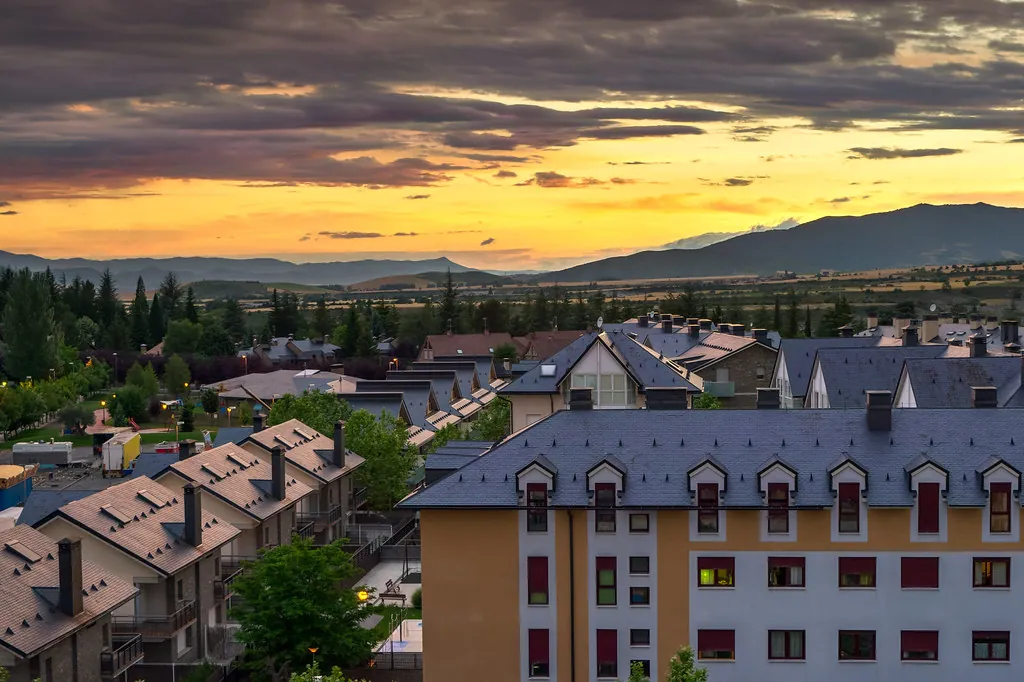
Hecho sits at 833 m, spread across the southern flank of the western Pyrenees. The houses are granite and slate, rooflines sagging under centuries of snow, geraniums crammed onto balconies because locals like colour, not because a stylist told them to. The lanes are too narrow for more than a donkey; if you meet a car, someone has to reverse uphill. Drive in from Jaca and the A-176 corkscrews along the river until the valley walls pinch together and phone signal dribbles away. That is the point most visitors exhale for the first time in a week.
The valley has none of the postcard perfection of Ordesa, 60 km east, and it is happy to keep it that way. Coach operators tried once in the 1990s; the tight hairpins and lack of coach parks sent them elsewhere. What remains is a working municipality of 805 souls who farm, log, weave and guide hikers for a living. Tourism is welcome, but it queues behind the cows.
Walking Without the Circus
Two long-distance footpaths start literally at the village campsite. The GR-11 (Pyrenean traverse) climbs west towards Zuriza; the GR-15 dives south over the 1,450 m Puerto de Larrad. Both are way-marked, neither requires a car. Day-trippers often head up the Selva de Oza road to the Interpretation Centre for Pyrenean Megalithism (open mid-June to mid-Sept 11-13 h, 17-19 h; weekends only the rest of the year). From the centre, a 25-minute stroll on a Roman road reaches the Boca del Infierno gorge, where golden eagles ride the thermals and wallcreepers flit like orange fireworks across the limestone. Take binoculars; the valley is one of Spain’s easiest places to spot lammergeier, yet the car park rarely holds more than a dozen vehicles.
Need shade? Follow the signed path to the Barranco de Arás waterfalls. The round trip is 4 km on forest track, trainers are fine unless it has rained. The pools below the final 20 m drop are deep enough for a swim in July; locals will point out the spot where the plunge pool stays sunny until four o’clock.
Serious walkers can bag 2,500 m peaks such as Castillo de Acher or link a string of empty cirques along the frontier ridge. Maps are essential: weather rolls in fast and phone coverage dies 3 km beyond the last farmhouse. Refuges are unattended, so carry kit for an unplanned bivouac.
Food that Knows its Place
Lunch options are scattered, not lined up for inspection. Casa Blasco on the main drag does a weekday menú del día for €16: roast lamb, vegetable tumbet, wine and pudding. The waitress speaks English and will swap lamb for trout if you ask before ten in the morning. Michelin-listed Canteré (Calle Aire 1) lifts the game—grilled sirloin with chestnut honey, herb-crusted trout—but will still serve a simple steak if you arrive dusty from the hill. Book even in February; there are only eight tables.
The village supermarket (no name above the door, look for the bread racks) stocks local cheeses wrapped in brown paper. Ask for the semi-curado from the shepherd who winters in the barn opposite the football pitch; it tastes of thyme and smoke and survives the journey home in a rucksack. For fresh fish or soya milk, stock up in Jaca before you leave the A-23—the valley shop regards hake as exotic.
When the Valley Parties
Fiestas here are for neighbours first, visitors second. Around the last weekend of August, Hecho’s patronales block the lanes for traditional dances that pre-date the Reconquista. You will be handed a glass of clarete and expected to move a chair so the band can squeeze past. In mid-October the Trashumancia weekend sees sheep marched through town with bronze bells clanging; a market sells knitting spun from last spring’s fleece. Dates shift with the moon and the vet’s diary—check at the tourist office (open mornings, plaza del Ayuntamiento) or simply listen for bells.
Late June brings the hogueras de San Juan. Bonfires on the river gravel light at dusk; teenagers jump the flames for courage, grandparents toast marshmallows and nobody mentions health and safety. Foreigners are welcome to join the jump—just don’t wear synthetics.
Practical Stuff Without the Brochure Speak
Getting here: From Zaragoza, take the A-23 north to Jaca, then the A-176 into the valley. The final 28 km is mountain road; allow 45 min, more if you meet a timber lorry. Buses run Monday-Friday from Jaca at 07:45 and 17:00, return at 13:00 and 19:15. The fare is €2.60 each way, cash only, and the driver will stop at your hostel if you ask nicely.
Where to sleep: Camping Valle de Hecho has grassy pitches (€22 for two, electricity extra) and five wooden bungalows (€70 low season, €95 August). Both sit right on the GR-11. Hotel Uson (1,150 m, 6 km above the village) is a former smugglers’ inn turned walkers’ refuge; doubles from €80 half-board, dinner is whatever came off the mountain that day. Wild camping is tolerated above 1,600 m, but fires are banned—use a stove and pack out loo paper.
Weather: Hecho is 300 m higher than Jaca; subtract 2 °C from the forecast. Snow can fall any month above 1,800 m. Spring brings orchids along the river, autumn turns the beech woods copper. August is hot in the sun, chilly in shadow, and the natural pools become the village’s outdoor living room. Winter is quiet; some guesthouses close, but the road is gritted and white walks are magical if you carry micro-spikes.
Money: Cards are accepted in restaurants and the campsite, but the baker, bus driver and Saturday market stalls want cash. The nearest free ATM is in Jaca—fill your wallet before you leave the motorway.
The Catch
Hecho is not flawless. Mobile coverage is patchy beyond the church tower, so download offline maps. The valley can feel sleepy after nine o’clock; if you need nightlife beyond a game of cards in Bar La Madre del Agua, stay in Jaca. August weekends fill with Spanish families who also want empty hills—book accommodation early or arrive mid-week. And if you expect craft boutiques and artisan ice-cream, bring a book instead.
Come with realistic expectations: a valley where sheep have right of way, lunch is at two sharp, and the mountains dictate every plan. Hecho will not dazzle you with spectacle; it will hand you a pair of cast-off walking poles, point at a ridge, and let the Pyrenees do the talking.