Full Article
about Valtorres
Ocultar artículo Leer artículo completo
The church bell strikes noon, and nothing moves. Not the elderly man leaning against the stone wall, not the tabby cat sprawled across warm pavement, not even the wheat fields that stretch beyond Valtorres like a golden ocean. This is Spain stripped of flamenco posters and sangria promotions—a village where sixty souls carry on regardless of whether visitors arrive.
The Arithmetic of Smallness
Sixty residents. Forty-seven houses. One bar that opens when someone's thirsty. Valtorres makes most British villages feel metropolitan, yet its proportions feel perfectly calibrated. Streets narrow enough to touch both walls simultaneously. A plaza that fits precisely twenty plastic chairs for festival dinners. A skyline dominated not by cranes or cathedral spires, but by the weather vane on the 16th-century church, spinning tales to anyone who'll watch.
The houses speak of practicality over ornament. Local stone the colour of digestive biscuits, bonded with mud mortar that's lasted longer than modern cement. Adobe walls thick enough to swallow summer heat, their surfaces bearing the handprints of builders who never expected foreign eyes. Many stand empty now—population decline hit Aragón's interior harder than its coasts—but those remaining show signs of stubborn life: geraniums in tomato tins, hunting dogs dozing in doorways, radio floated through open windows.
Working Villages Don't Do Pretty
Forget the whitewashed Andalusian fantasy. Valtorres earns its living from cereal crops and sheep, not camera crews. The village bakery closed when Señora Martinez turned eighty-seven; locals now drive to Calatayud for bread. The petrol station consists of a pump outside someone's garage, payment via honesty box. This is precisely what makes it interesting.
Morning starts with agricultural machinery rather than church bells. Tractors rumble past at six, heading for fields that roll towards the Moncayo massif thirty kilometres distant. Farmers gather at Bar Carmen (open 7-10am only) for coffee strong enough to float a horseshoe, discussing rainfall statistics with the intensity others reserve for football scores. They'll nod at strangers, might even explain why this year's wheat harvest runs two weeks late, but nobody's polishing anything for tourism.
The abandoned wine caves tell their own story. Hewn into soft limestone, these cool chambers once stored enough barrels to keep the entire community drunk through winter. Now their entrances gape like missing teeth, home to swallows and the occasional sheep seeking shade. Phylloxera hit in the 1920s, young people left for Zaragoza factories, vineyards returned to cereal. The caves remain, perfect for adventurous children or photographers who don't mind spider webs.
Walking Through Layers of Use
Footpaths radiate from Valtorres like spokes, following routes older than any map. These aren't signposted trails with reassuring waymarks—they're working tracks connecting fields, livestock routes, the paths children walk to catch school buses. Walking here requires confidence: follow the tractor ruts, close every gate, don't panic when the path disappears into wheat.
The circuit to Villareal de Huerva takes ninety minutes across rolling plateau. You'll pass stone huts where shepherds once sheltered, now providing shade for agricultural machinery. An abandoned railway line cuts across the landscape—Spain's rural network closed in the 1980s, tracks lifted for scrap, bridges left to crumble dramatically. Buzzards circle overhead; this is serious big-sky country, horizon stretching forty kilometres on clear days.
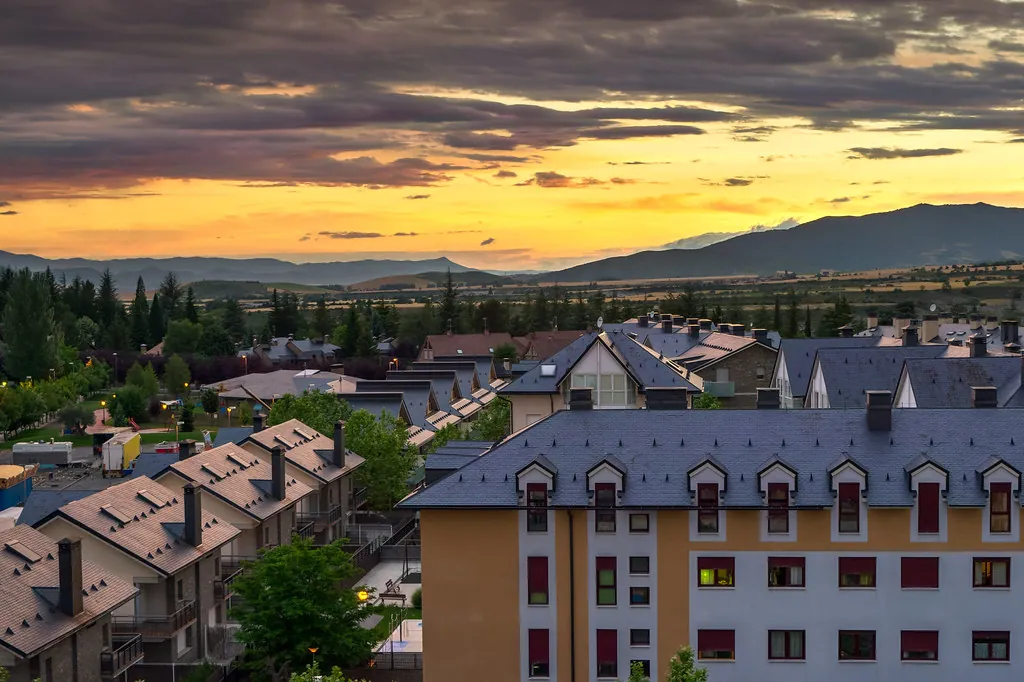
Evening walks offer different rewards. The plateau drops away westward, revealing the Ebro valley's irrigation circles like green polka dots against brown earth. On exceptional days, the Moncayo's snowy peak appears floating above closer hills, an optical illusion that stops walkers mid-stride. Sunset paints wheat stubble the colour of good whisky; the return journey happens by starlight, since darkness arrives suddenly and completely.
Eating What the Land Provides
Valtorres itself offers limited dining options—essentially zero. The village shop closed in 2008, though the mobile supermarket visits Tuesdays. Smart visitors book dinner at Casa Pardina in neighbouring Morata de Jiloca, twelve kilometres distant, where Conchi serves migas prepared with breadcrumbs from yesterday's bread, chorizo from her brother's pigs, and grapes from vines visible through the window. Expect to pay €14 for three courses including wine that arrives in unlabelled bottles.
Local specialities reflect hardscrabble agriculture rather than Mediterranean abundance. Ternasco—milk-fed lamb roasted until the skin crackles—appears at every celebration. Spring brings cardo, thistle stalks peeled and simmered with almonds, tasting like artichoke crossed with asparagus. The region's cheese, made from sheep grazing these same cereal stubble fields, develops a nutty complexity that supermarket manchego can only dream of.
Bring supplies if staying self-catering. Calatayud's supermarkets stock excellent local wine—the D.O. Calatayud produces powerful garnacha that costs €4 and punches well above its weight. The bakery on Plaza de España does jamón-filled pastries that survive hiking expeditions better than energy bars.
When Silence Becomes the Attraction
Winter visits reveal Valtorres at its most elemental. Temperatures drop to -8°C; stone houses huddle against north winds that sweep unchecked across the plateau. Wood smoke scents the air; every house shows stacks of olive branches against its walls, fuel for stoves that heat single rooms. The village feels medieval—electricity lines the only visible modernity.
Spring arrives suddenly, usually mid-March. Wheat erupts overnight, transforming brown earth into green waves. Temperatures swing dramatically: 25°C afternoons followed by frosty dawns. Local wisdom suggests packing four seasons in one day, plus windproof jacket for the plateau's incessant breeze.
Summer means serious heat—38°C is normal, 42°C not unusual. Activity shifts to dawn and dusk; siestas become practical rather than stereotypical. The village pool (open July-August, €2 entry) offers blessed relief, though its position beside the wheat silos lacks glamour. August's fiesta brings temporary population explosion—perhaps 300 people, including grandchildren returning from Zaragoza, plus curious neighbours from twenty kilometres around.
Autumn provides the sweet spot. Harvest happens in June, so September fields lie stubbled and golden. Temperatures settle to comfortable mid-twenties; clear air reveals views stretching to distant mountain ranges. This is when photographers should visit, when walking happens without sweat or shivering, when the village's rhythms feel comprehensible rather than simply observed.
Practical Matters for the Curious
Valtorres sits ninety kilometres south-west of Zaragoza, reachable via the A-2 motorway and twenty minutes of country roads. Car essential—public transport consists of one daily bus to Calatayud, departing 6:45am, returning 2pm. Missing it means expensive taxi rides through empty landscapes.
Accommodation means renting village houses from owners who've moved to cities. Expect to pay €60-80 nightly for properly restored properties with Wi-Fi and proper heating—necessary even in May. Casa Rural el Pajar and Casa Rural la Fuente both sleep four comfortably, their thick walls keeping summer heat at bay. Book through Calatayud tourist office; nobody in Valtorres answers email regularly.
Bring cash—nobody takes cards. Petrol stations require twenty kilometres of driving. Mobile phone signal varies between patchy and fictional. The village doctor visits Tuesdays; serious medical emergencies mean helicopter evacuation to Zaragoza. These aren't complaints, merely facts that shape daily life.
Valtorres won't change anyone's world. It offers no Instagram moments, no life-altering encounters, no stories to bore dinner parties with. What it provides is rarer: Spain continuing regardless, wheat growing and sheep grazing and grandfathers arguing about rainfall while the twenty-first century hums distantly, like traffic heard from a motorway bridge. Some days, that's precisely what's needed.