Full Article
about Veguillas de la Sierra
Ocultar artículo Leer artículo completo
The village appears suddenly after a series of hairpin bends, 1,270 metres above sea level. One moment you're navigating pine-scented switchbacks, the next you're braking for a tractor that's stopped mid-lane while its driver chats through a window. Veguillas de la Sierra doesn't announce itself with signposts or souvenir shops. It simply exists, twenty-odd souls clinging to a mountainside in Spain's least visited province.
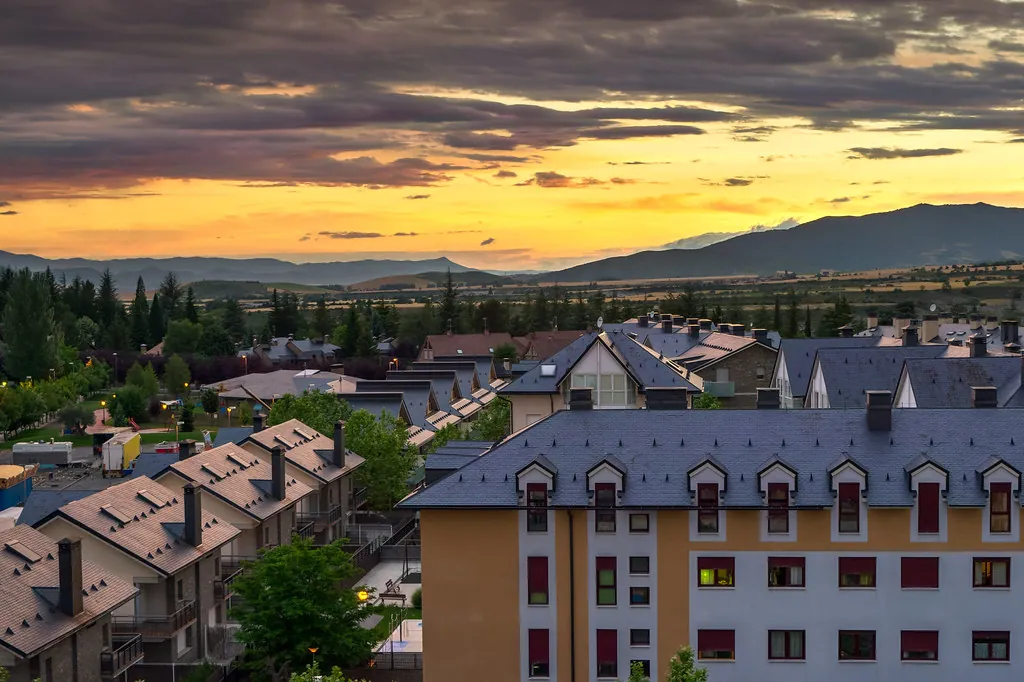
At this altitude, the air carries a bite even in May. Stone houses huddle together, their Arabic tiles weathered to the colour of burnt toast. Windows remain shuttered against a wind that whips across the Sierra de Albarracín, carrying the scent of resin and distant woodsmoke. This isn't postcard Spain. It's better than that.
The Arithmetic of Silence
Twenty residents. That's fewer people than occupy the average London lift. Yet these numbers fluctuate wildly—summer brings returning grandchildren, winter drives even the hardiest to lower ground. The village school closed decades ago; the nearest shop sits fourteen kilometres away in Albarracín. What remains is a masterclass in making do.
Houses stand either immaculate or abandoned, with no middle ground. Some display fresh limewash and geranium-filled window boxes, their owners having fled city life for the slow rhythm of mountain existence. Others sag under the weight of neglect, their wooden balconies splintering, doorways gaping like missing teeth. It's honest decay, unvarnished by tourism boards or heritage grants.
The church bell still marks the hours, though time moves differently here. Morning starts when the baker's van climbs the mountain road, its arrival announced by barking dogs and the creak of opening doors. Afternoon arrives with the shadow that falls across the village square at three o'clock sharp. Evening begins when the tractors return from the surrounding fields, their headlights carving amber tunnels through the dusk.
Walking Through Abandoned Geography
From the village edge, the land drops away into valleys that stretch towards Teruel. Ancient terraces stripe the mountainsides, their dry-stone walls testament to centuries of coaxing crops from thin soil. Most lie abandoned now, reclaimed by broom and thyme. Yet someone still tends a patch of almond trees, their white blossom creating brief constellations against the dark pine slopes.
Walking tracks radiate from Veguillas like spokes from a wheel. They're not marked with coloured paint or wooden signs—that would be too easy. Instead, you follow sheep paths and logging roads, trusting instinct and the occasional cairn built by previous walkers. The GR-10 long-distance path passes nearby, but most visitors stick to the hour-long circuit that loops through abandoned farmsteads before returning to the village.
At sunrise, the mountains reveal their secrets. Roe deer pick through abandoned orchards. Wild boar root among the chestnuts. Golden eagles ride thermals above the ridges, their calls echoing across empty valleys. The silence isn't absolute—wind rattles through Scots pine, a cuckoo calls from some hidden perch, your boots crunch on frost-hardened earth. It's the absence of human noise that startles, making space for thoughts that London life normally drowns out.
Winter's Bargain
Come December, Veguillas becomes properly inaccessible. Snow closes the access road for days at a time; residents stockpile wood and food against isolation that can stretch for weeks. Temperatures plummet to minus fifteen, turning breath to ice crystals and forcing even the dogs indoors. This is when the village reveals its true character—not a romantic retreat but a place that demands resilience.
Yet winter brings its own rewards. The mountains transform into proper wilderness, snow-covered and silent. Cross-country skiers tackle the forest tracks. Photographers capture scenes that could pass for the Pyrenees, minus the crowds. And in the village, neighbours who barely spoke during summer suddenly become essential, checking on elderly residents and sharing generator fuel when storms bring down power lines.
Summer offers easier access but brings different challenges. Day-trippers from Valencia and Barcelona discover the village, their 4x4s grinding up the mountain road. They photograph the stone houses, buy nothing (there's nothing to buy), and depart by teatime. The village tolerates these visitors with the weary patience of people who've seen it all before.
Eating What the Mountain Provides
Food here follows the seasons with monastic precision. Spring brings wild asparagus and tender mountain lamb. Summer offers tiny sweet strawberries that grow wild along the tracks, their flavour concentrated by altitude. Autumn means mushrooms—boletus, chanterelles, the elusive trumpet of death—collected at dawn and sold to restaurants in Albarracín for prices that would make Borough Market weep.
The local cuisine reflects centuries of making do. Migas—fried breadcrumbs studded with garlic and chorizo—started as a way to use stale bread. Gachas, a thick porridge of flour and water, sustained shepherds through long mountain winters. These aren't restaurant dishes but survival food, elevated by necessity into something approaching comfort.
Don't expect to eat in Veguillas itself. The nearest bar sits eight kilometres down the mountain, its opening hours erratic and its menu limited to whatever Miguel feels like cooking. Instead, self-cater. Buy jamón from the travelling salesman who visits monthly, cheese from the shepherd who keeps goats in the next valley, wine from the cooperative in Cella. Eat on your rental terrace as the sun sets behind the mountains, turning the stone houses gold.
The Reality Check
Getting here requires commitment. From Teruel, the regional capital, it's ninety minutes of increasingly alarming roads. The final stretch climbs 600 metres in eight kilometres, with sheer drops and minimal barriers. Hire cars return with scraped undercarriages and traumatised drivers. Public transport doesn't exist; taxis from Teruel cost €80 each way.
Accommodation options remain limited. Three houses offer tourist rentals, their prices reasonable until you factor in the drive. Book directly—none appear on major platforms. Bring cash, as card machines remain mythical. Pack walking boots, layers for weather that changes hourly, and enough food for your stay plus emergencies.
Veguillas de la Sierra won't suit everyone. Those seeking tapas trails or boutique hotels should stick to the coast. But for travellers who've grown weary of Spain's packaged experiences, who crave genuine silence and don't mind sharing it with twenty strangers, this mountain village offers something increasingly rare: a place that refuses to perform for visitors. It simply exists, indifferent to whether you stay or go, and that might be its greatest luxury.