Full Article
about Vencillon
Ocultar artículo Leer artículo completo
The wheat around Vencillón is shoulder-high by late May, and when the wind crosses it the whole plain ripples like a bronze lake. Stand on the single-track road that leaves the village southwards and you can watch the wave travel for almost a minute before it breaks against the first foothills of the Prepirineos. No coach parks, no viewpoint signs, just the hush of grain brushing grain and, somewhere behind you, the slow squeak of a bicycle that belongs to the lady who keeps the only shop open in the afternoon.
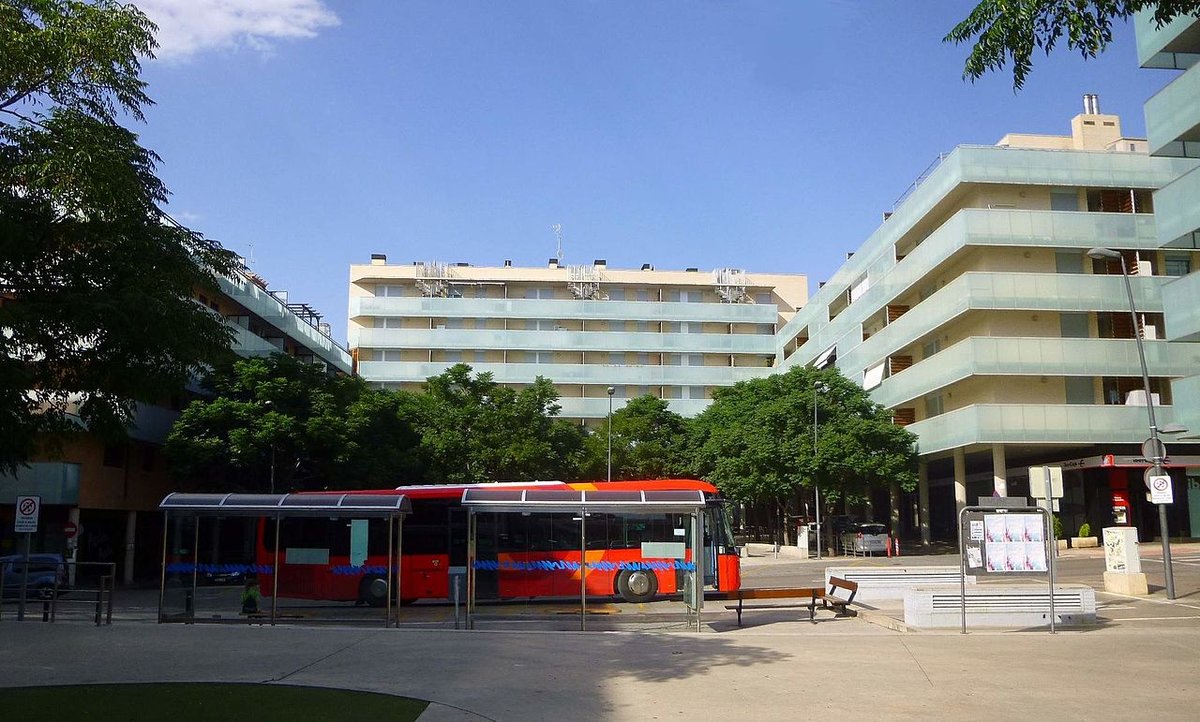
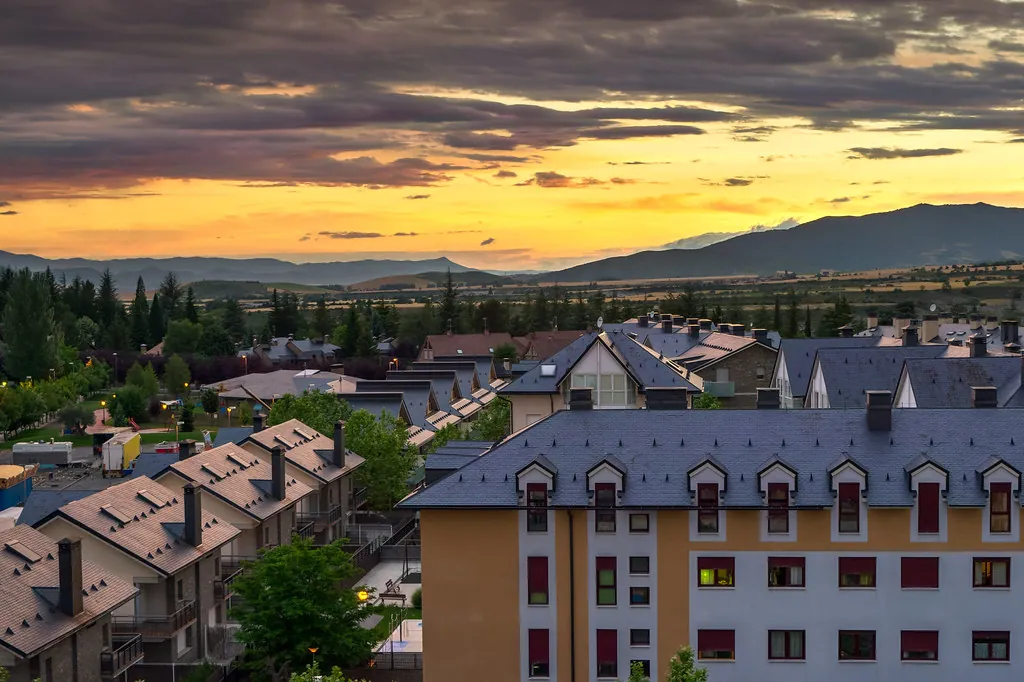
Vencillón sits at 210 m above sea level in the comarca of La Litera, half an hour’s drive west of the N-240 that barrels between Zaragoza and Lleida. Its 408 registered souls live in a scatter of terraced cottages, low-rise apartment blocks thrown up in the optimistic 1970s, and the occasional brick farmhouse that has surrendered its courtyard to a second-hand Seat. The place is neither chocolate-box nor forgotten; it is simply working. Tractors park nose-in against the kerb like oversized cars, and the evening conversation in Bar La Paz turns on rainfall percentages and the price of feed barley long before anyone mentions tourism.
The Church, the Bakery, the Harvest
The parish church of San Pedro keeps an eye on things from a small rise in the centre. Its sandstone tower was rebuilt after a lightning strike in 1892, and the mason left the new stones a shade lighter so the scar is still legible if you know where to look. Inside, the air smells of candle wax and the floor dips where centuries of labourers have shuffled forward for Communion in work boots. Mass is at 11:00 on Sundays; visitors are welcomed but nobody will fuss. Dress code: whatever you wore to check the irrigation channels.
Opposite the church, the bakery opens at 06:30 and sells out of olive-oil tortas by nine. Buy one while it is still warm and the aniseed vapour will flavour the car for the rest of the morning. If you arrive after they’re gone, the consolation prize is a loaf of pan de pueblo, floured and heavy, that the baker will slice for you on a machine that dates from Franco’s time. Ask for “media” if there are only two of you; a whole loaf could anchor a small boat.
Walking the Checkboard
The real map of Vencillón is not the one sold in the ayuntamiento but the grid of farm tracks that parcel the plain into 200-metre squares. Any of these caminos can be walked; simply lift the metal chain that is supposed to deter cars and replace it behind you. In April the verges are violet with wild gladioli, and hoopoes race their own shadows across the wheat. By July the colours have burnt to gold and every footstep raises a puff of ochre dust that settles on your socks like turmeric.
A gentle circuit heads south for three kilometres to the ruined masía of Los Llanos, roofless since the 1950s but still guarded by a pomegranate tree that fruits reliably each autumn. From its doorway the Pyrenees float on the horizon like a distant reef. Allow ninety minutes there and back; carry water because the only fountain is back in the village and the July sun has no mercy. Mobile signal dies 400 m out of town – download an offline map before you set off and remember the rule of the plain: turn round when the village pump disappears behind the grain silo.
When the Plain Parties
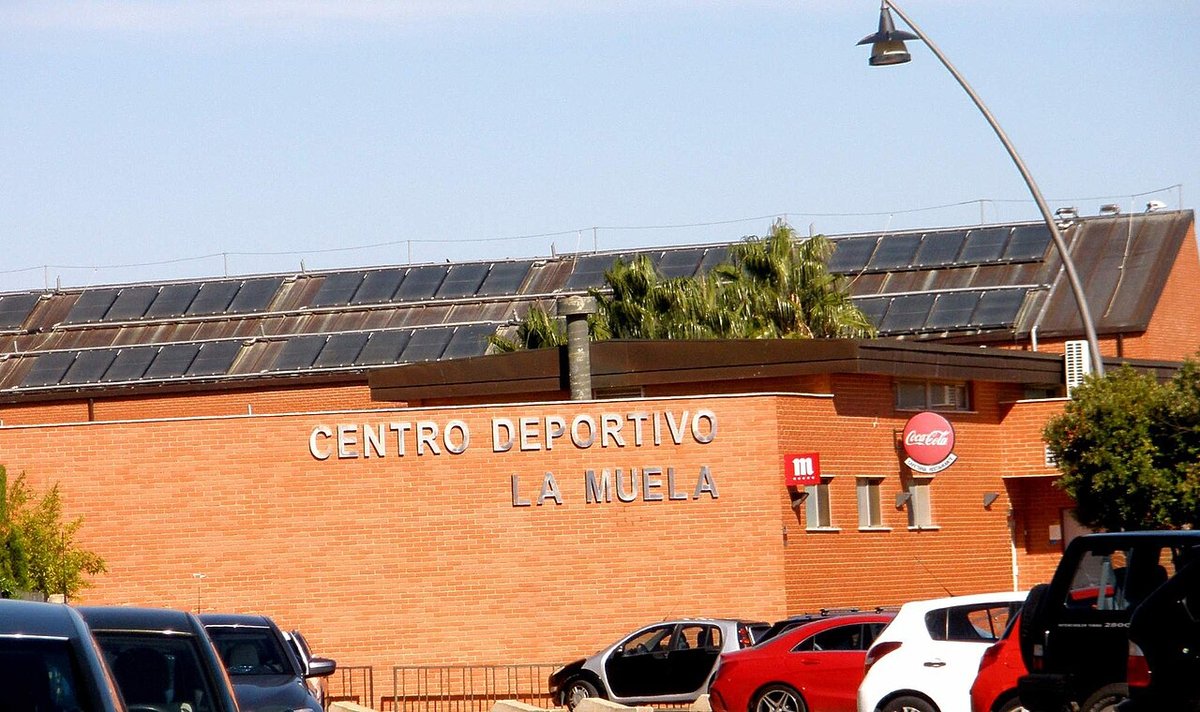
Fiestas may be the only time Vencillón feels crowded. The main celebration honouring the patron, San Pedro Mártir, is held on the last weekend of August. The population quadruples as emigrants return from Zaragoza, Barcelona and, increasingly, Edinburgh and Manchester. Friday night begins with a foam party in the polideportivo – teenagers only, parents peer through the fence with plastic cups of vermouth. Saturday at noon the village gathers in the plaza for the paella popular; tickets are €7 and you eat jamón-wrapped bread while the rice is stirred in a pan the diameter of a satellite dish. Fireworks follow, modest but loud enough to set every dog in the postcode howling. If you prefer something gentler, come for the Festa de la Verema in early September when the first white grapes are blessed and pressed in an antique wooden lagar outside the church. The resulting must is cloudy, slightly fizzy and tastes like liquid hay.
Where to Sleep, Eat, Fill Up
Accommodation within the village limits amounts to one self-catering house, Casa Mauri, booked through the town hall website (Spanish only, response time two days). It sleeps four, costs €70 a night and overlooks the pigeon loft of your neighbour, Sebastián, who rises at 05:30 and whistles. Most visitors base themselves 12 km away in Valderrobres where stone mansions have been turned into tasteful B&Bs and you can still get a Sunday roast if the homesickness bites.
For meals, Bar La Paz does a fixed-price menú del día at €12 midweek: soup or salad, conill amb cargols (rabbit and snails) or pollo al chilindrón, dessert, house wine. The snails are harvested from the reeds behind the football pitch; if the idea appals, ask for the chicken and nobody will judge. The village shop stocks tinned tuna, local almonds and a surprising range of Yorkshire tea imported by a British resident who prefers proper builders’ brew to café con leche. The nearest supermarket is in Tamarite de Litera, fifteen minutes by car; fill up there because Vencillón’s single petrol pump broke in 2019 and no one has bothered to fix it.
The Catch in the Calendar
Come between mid-October and late March and you may find the place shuttered. The plain is often wrapped in a cold fog – the boira that drifts up the Cinca valley – and temperatures hover just above freezing. The bakery reduces its hours, the bar may close if the owner visits grandchildren in Zaragoza, and the wheat fields look bleak and brown. On the other hand you will have the caminos to yourself and the light, when it breaks, is the sharp silver that Spanish painters kill for. Bring a jacket and a paperback, and don’t expect conversation after 21:00.
Leave Vencillón as you found it: quietly, without Instagram geotags, letting the grain close behind you like water over a stone. The village will not dazzle; it will not entertain. It will, if you let it, recalibrate your sense of time to something closer to the agricultural calendar – a rhythm that was already old before the word tourist existed.