Full Article
about Villahermosa del Campo
Ocultar artículo Leer artículo completo
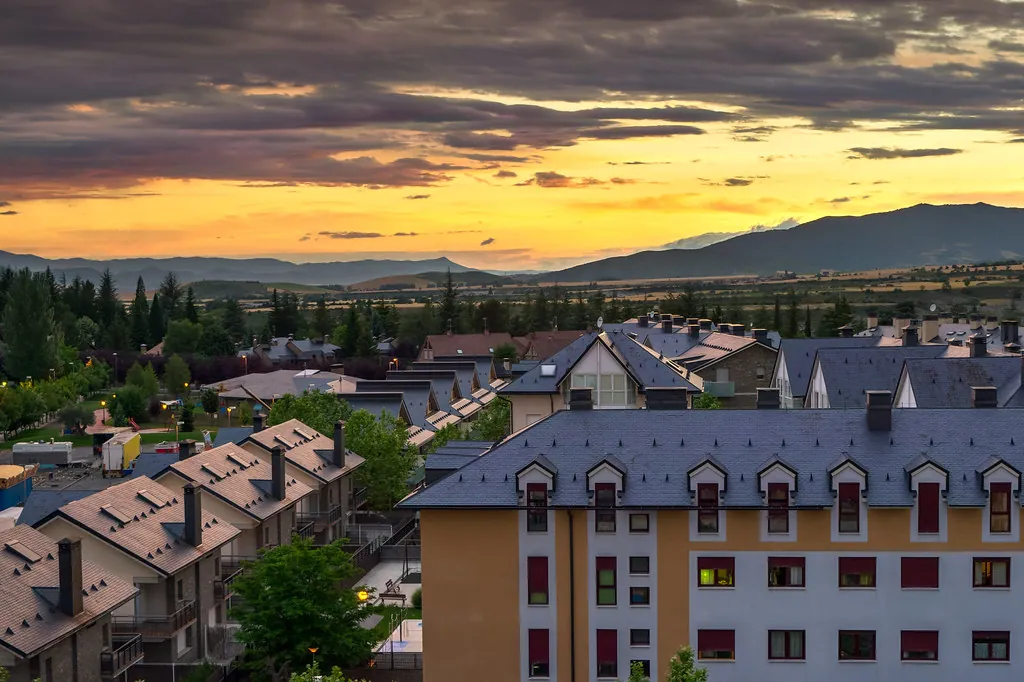
The church bell tolls once at noon and the sound has nothing to compete with except a tractor idling somewhere beyond the stone houses. At 956 m above sea level, Villahermosa del Campo is high enough for the air to carry noise cleanly, yet low enough for the horizon to stay gentle. Ninety-two residents, three narrow streets, and a perimeter wall of cereal fields: this is one of Aragón’s smallest municipalities, and it behaves accordingly.
A village that never learned to shout
Most visitors arrive by accident, detouring off the A-23 between Teruel and Calamocha. The turn-off is sign-posted but easy to miss; satellite navigation sometimes insists the last 4 km are still dirt. Tarmac arrived only in 2003, paid for with EU rural funds, and the asphalt still looks politely surprised to be here. Park where the road widens by the stone cross—there is no other parking—and walk. Traffic consists of one delivery van on Tuesdays and the mayor’s quad bike.
The built fabric is stubbornly local: mampostería walls sixty centimetres thick, timber beams from nearby oak groves, roof tiles moulded by hand in the village workshop that closed in 1978. Iron balconies are absent; instead, wooden gantries project just far enough for a chair and a geranium. House numbers jump from 4 to 7; the missing dwellings collapsed during the 1967 storm and were never rebuilt. Plaster is not painted the Andalusian white that photographs well—it is the colour of oatmeal mixed with straw, designed to hide dust rather than attract likes.
What passes for landmarks
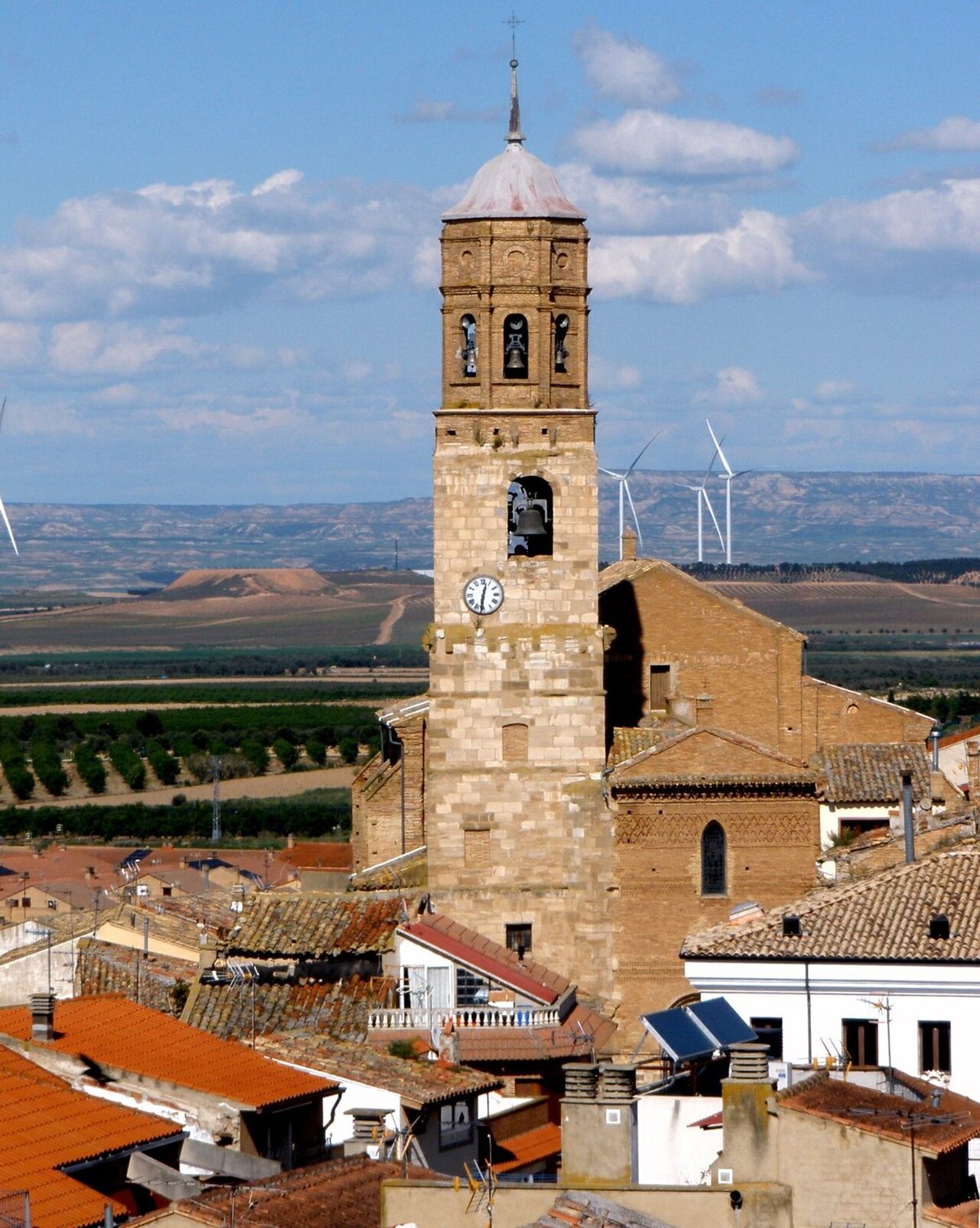
The parish church of Nuestra Señora de la Asunción stands at the highest point, its square tower visible from any field track within a five-kilometre radius. Step inside and the temperature drops ten degrees; the interior smells of candle wax and grain stored next door. A single Baroque retablo fills the apse, gilded in 1734 with money sent home by muleteers who drove salt between Zaragoza and Valencia. The font is older: Romanesque, rescued from a ruined hermitage outside the village and carried here on ox-sledges during the Civil War when anything that looked ecclesiastical became a target.
Below the church, a lane barely two metres wide opens into Plaza de la Constitución, really just a widening with a stone fountain that still runs. The water is potable—locals fill plastic carboys here rather than pay for deliveries—but it carries iron; tea brews orange. Sit on the rim and you will hear the hum of bees kept on the flat roof of number 11; honey is sold from the back door on Saturdays, €6 a jar, cash only.
Walk south for three minutes and the houses stop. A farm track continues between wheat and barley, the boundary marked by a line of savin junipers twisted into knee-high bonsai by wind. In May the crop is ankle-high and emerald; by late June it turns the colour of old pennies. Harvest begins the second week of July, weather permitting, and for two days the combine works until midnight, headlights carving gold corridors. Afterward the stubble prickles like unshaven chins and the village smells of straw heated by sun.
Eating without ceremony
There is no restaurant. Hospitality is negotiated eye-to-eye. Knock at the house with the green shutter and ask for Conchi; she will fry eggs with potatoes and serve them on a tin plate for €8, wine included. The wine comes from Cariñena, forty minutes north, poured from a plastic bottle that once held screen-wash. Lamb is available if ordered a day ahead—the animal walks twenty metres from paddock to kitchen, a detail some British visitors find unsettling. Vegetarians receive a larger portion of migas—fried breadcrumbs with garlic and grapes—plus whatever the garden offers: lettuces the size of side plates, tomatoes that split their skins.
Breakfast is simpler. The bar opens at seven, closes at nine, and serves only coffee and sponge cake baked by the owner’s sister. Locals stand; chairs are for after church on Sunday. Ask for milk in your coffee and you will get the long-life variety—fresh is delivered from Calamocha but sells out by Thursday.
Moving slowly, if at all
Footpaths are not way-marked; instead, follow the tractor ruts heading east toward the Sierra de Cucalón. After 4 km the track dips into a dry ravine where eagles nest on clay ledges. The loop back takes two hours, carries no phone signal, and offers precisely one bench, shaded at noon by a single pine. Cyclists favour the tarmac lane west to Fuentes Claras: 12 km of gentle ascent, sheepdogs for traffic police, and a tailwind that turns vicious on the return leg.
Winter changes the rules. At 956 m, snow arrives overnight in January and may stay a week. The village road is last on the gritting roster; residents fit chains and carry on. Overnight lows of –8 °C are routine; pipes freeze inside thick walls, so taps are left dripping. Visitors in February find smoke the only thing moving—each house has a wood stove fed with timber cut the previous spring and stacked like fortress walls against gable ends.
When to come, and how
Spring and autumn give daylight without furnace heat. April brings almond blossom and the risk of a cutting north wind; October offers threshing dust and the smell of new wine. Either season, rent a car—public transport is a Wednesday-only bus from Calamocha that turns round if too few passengers board. From Valencia airport, allow two and a half hours via the A-23; from Zaragoza, add thirty minutes. Fuel in Calamocha is cheaper than motorway services; top up before the final 15 km.
Accommodation is a single three-room guesthouse above the bakery. Beds are cast-iron, mattresses firm, price €35 a night including breakfast bread still warm. Towels are provided; Wi-Fi reaches the landing but not the bedrooms. There is no card machine—cash only from the ATM in Calamocha, which occasionally runs out of €20 notes.
Leaving without promises
Villahermosa del Campo does not court return visits. The mayor keeps a visitors’ book; last year’s entries fill six pages, three of them from a lost Dutch cycling club. What the village offers is a calibration tool for anyone who suspects modern life has grown too loud. Stand between the cereal and the sky at dusk and the only decision is whether to head back before the night wind rises. Most people do; the village offers no nightlife, no souvenir shop, not even a postcard. It simply continues—threshing, pruning, mending roofs—while the population inches downward and the grain fields stretch a little closer to the houses each season. Come if that sounds like enough.