Full Article
about Villar del Cobo
Ocultar artículo Leer artículo completo
The Village That Measures Altitude in Chimneys
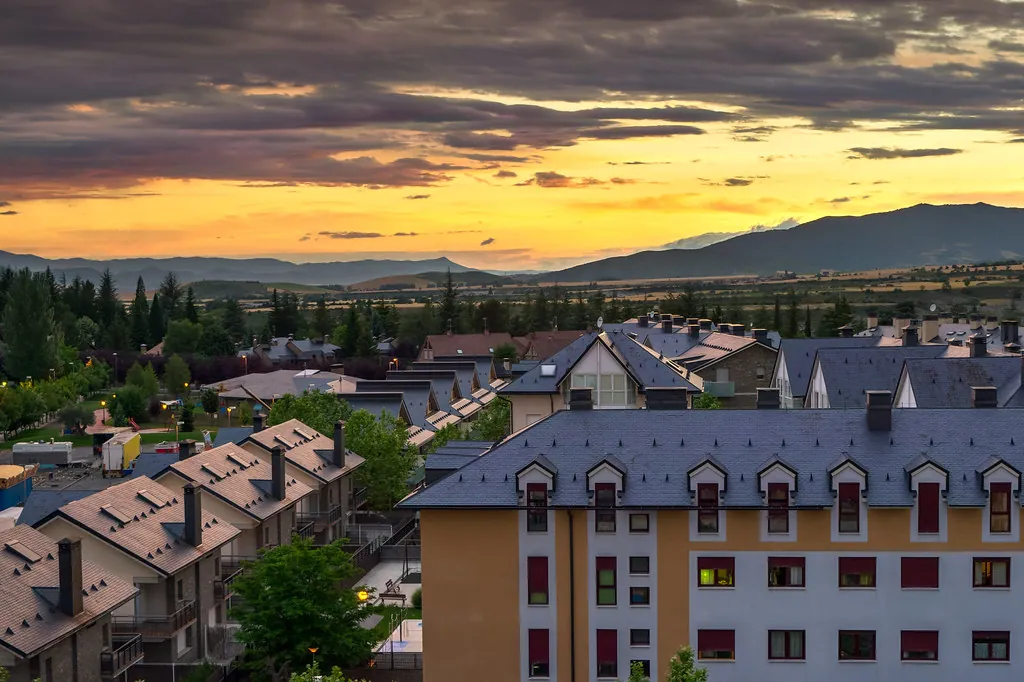
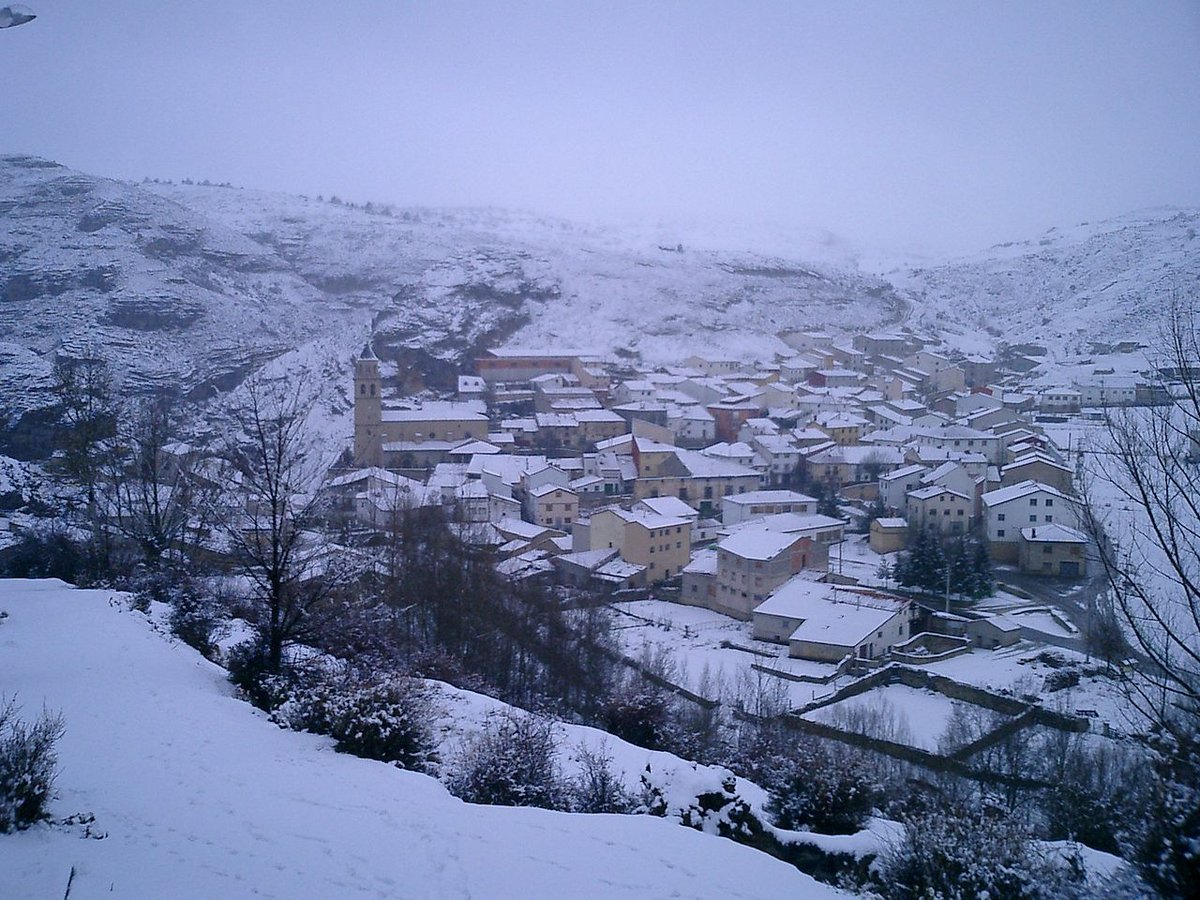
At 1,419 metres, Villar del Cobo sits high enough that clouds sometimes snag on the television aerials. The Sierra de Albarracín keeps its own calendar: when the first wood smoke rises in October, locals know the five-month winter has begun. By April the stone houses stop exhaling grey ribbons and the village of 165 souls briefly doubles in size as grandchildren arrive for Easter, rucksacks clattering against medieval walls.
Two roads meet here, both numbered like afterthoughts. The CM-3308 climbs from Teruel, gaining 400 metres in 25 kilometres; the A-1512 wriggles west towards Albarracín. Neither carries much traffic. What you notice first is the quiet – not the hush of a museum, but the deliberate pause of people who have no reason to shout.
What Passes for a Centre
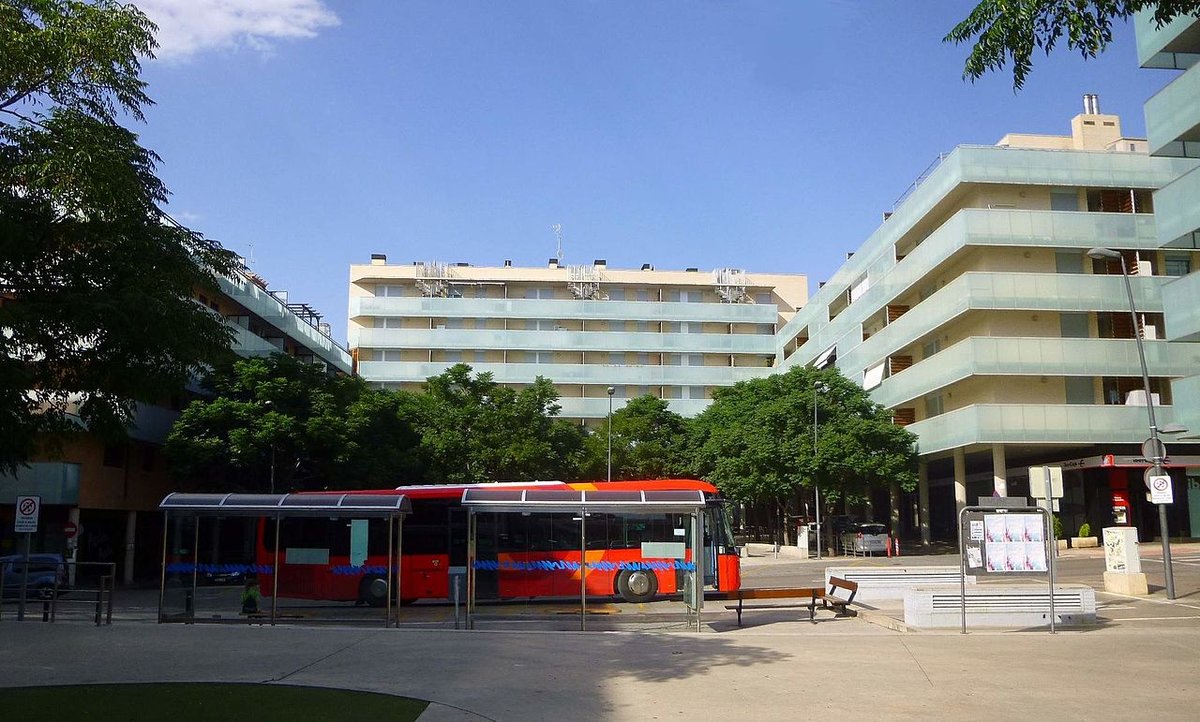
The village has no plaza mayor in the usual Spanish sense. Instead, the heart is a triangle of cracked concrete where the grocer’s van parks on Thursday mornings. Housewives emerge, carrier bags folded under arms, to buy tinned tomatoes and gossip. The colmado opens 09:00–13:00; if the owner’s sister is ill, it might not open at all. Stock up in Teruel.
Opposite, El Ventorro does duty as bar, village noticeboard and lost-property office. Inside, three tables, four stools and a wood-burner that consumes an alarming amount of oak. Order a café con leche (£1.20) and María will push across a saucer of sugar cubes already softened by steam. She keeps a bottle of Teruel DOP ham behind the counter; ask nicely and she’ll carve four paper-thin slices with a knife older than most customers. No menu, no card machine – cash only. The nearest ATM is 18 kilometres away in Cella.
Stone, Slate and the Smell of Pine
Walk fifty metres up Calle del Medio and the village ends. Cobbles become a forestry track; stone gives way to red earth starred with wild rosemary. From here the Montes Universales roll north like a rough green sea. The footpath to the Tajo headwaters starts between two barns whose roofs have collapsed under winter snow. Yellow waymarks appear every kilometre or so, painted by someone who trusts you to read the land.
The river begins as a damp patch under beech leaves, nothing photogenic. Keep walking and it becomes a silver thread, then a proper stream where dippers dive between moss-covered boulders. Allow three hours there and back; the altitude gain is gentle but the path can be muddy after rain. In October the woods smell of mushrooms and wet bark – bring a basket if you know your boletus from your death cap.
When the Sun Hits the Slate
Summer brings a different rhythm. Mornings start cool; by 11:00 the stone walls radiate stored heat and lizards scatter like dropped coins. Afternoons are for siesta or for driving the 12 kilometres to Albarracín to join the coach-tour queues. Better to stay put, sit on the church step and watch swallows stitch the sky above the bell-tower. The Virgen del Rosario church keeps its doors unlocked; inside, the air smells of beeswax and old linen. A single bulb hangs from the nave, casting shadows that make the 18th-century frescoes look older than they are.
Evenings cool fast. At 20:00 the bar fills with men in work boots who have been pruning pines all day. They drink short beers and speak an Araguese dialect that turns “calor” into “calu”. You won’t follow, but you’ll get a nod, which is invitation enough to stand your round. A caña costs €1.10; leave 20 céntimos on the counter.
Winter Arithmetic
Snow arrives silently, usually overnight. By morning the only gap in the white is the narrow groove of the CM-3308, kept open by a single plough that starts at 05:00. Temperatures drop to –12 °C; water pipes freeze, toilets refuse to flush. This is when the village reveals its machinery: every house has a woodshed calculated in “metros de leña” – three months’ supply stacked against the north wall, another two months under the stairs. Oak burns longest, pine smells better, juniper pops. Electricity prices being what they are, most rooms are heated to 16 °C and no more. Bring slippers; stone floors suck heat through socks.
Driving away in winter demands respect. The road down to Teruel has a 12% gradient and two hairpins where sun never reaches. Spanish law requires snow chains or winter tyres from November to March; the Guardia Civil enforce it with €200 fines and a lecture you won’t understand. If the weather turns, the village simply closes its doors and waits. Buses stop. The grocer stays home. Mobile signal, patchy at best, vanishes altogether.
Eating What the Forest Provides
There is no restaurant. What you eat depends on who you meet. Pilar, who keeps the key to the tourist hut, might offer migas – fried breadcrumbs with garlic and bits of bacon – if you catch her after the midday news. The trick is to soak yesterday’s bread overnight, squeeze it dry, then crumble it between your fingers while the fat renders. She serves it in the frying pan; the crust is the best part.
Game season runs October to January. Wild-boar stew appears on bar counters without warning; order quickly, it sells out by 14:30. The meat is darker than pork, leaner than beef, shot locally and hung for a week in someone’s garage. Expect chunks on the bone, plenty of bay leaf, and potatoes that dissolve into gravy. A plate costs €9 and comes with bread you tear, not slice.
Queso de Tronchón, the semi-soft cheese from further south, turns up in irregular wheels. Made from goat and cow milk, it tastes faintly of thyme and has a texture like a young Wensleydale. Buy a quarter-wheel for €6 and it will survive the drive home, provided you don’t leave it on the passenger seat in July.
Leaving Without Goodbye
Departures happen early. By 07:30 the sun has already cleared the eastern ridge and the village smells of toast and pine resin. The bar is shuttered; María opens only when the first customer knocks. Load the car, turn right at the triangle of concrete, and the houses recede in the mirror faster than you expect. Within five minutes you are back among pines, the road falling away towards Teruel and the morning traffic of the A-23.
Some places reward the checklist traveller: cathedral, castle, selfie, gone. Villar del Cobo offers no such tally. What you take away is smaller: the creak of a wooden door that has fitted its frame for three centuries, the taste of smoke in your hair, the realisation that 165 people have everything they need within a ten-minute walk. Whether that is enough to justify the detour depends on your tolerance for silence and your willingness to arrive with no itinerary. The village will not notice either way; it will simply bank another layer of soot against the next winter and wait for the wood smoke to rise again.