Full Article
about Villarroya de los Pinares
Ocultar artículo Leer artículo completo
A Place Where Silence Has an Echo
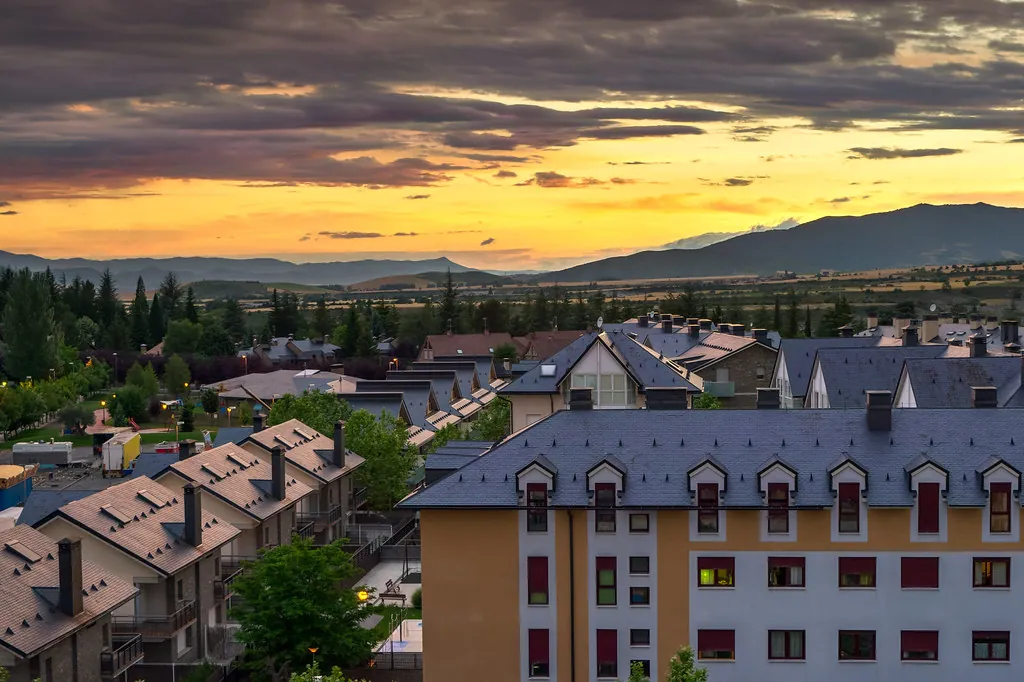
At 1,337 metres, Villarroya de los Pinares is high enough for your ears to pop on the final climb. The A-226 switchbacks through black-pine forest, then suddenly the trees step back and a stone hamlet appears, welded to a ridge like a medieval afterthought. One main street, one church tower, one bar with its door ajar. That’s it. No souvenir shops, no traffic lights, not even a cash machine. The village’s 172 residents like it that way, and after five minutes you’ll understand why.
The first thing you notice is the hush. Not the creepy silence of an abandoned place, but the deliberate quiet of people who never learnt to fill every moment with noise. A tractor idles, a dog barks once, then the plateau of sound resets to zero. Stand still and you can hear your own pulse mixing with the wind combing through the pines below.
Stone, Snow and the Smell of Pine Smoke
Houses here were built for winters that last from October to April. Walls are a metre thick, windows are pint-sized, and every chimney is working. The stone is the colour of weathered Cheddar, the timber balconies painted ox-blood red. Peek through an open doorway and you’ll see leña stacked in perfect cords, enough to outlast a Siberian siege. It’s domestic architecture as survival kit.
Summer brings relief, not crowds. Daytime temperatures hover around 24 °C, nights drop to 12 °C even in July. British walkers fresh from the Costas are grateful for the jumper they packed “just in case”. Come December the same street is a white ribbon and the only parking space is wherever you abandoned your car before the blizzard arrived. Chains are compulsory; the Guardia Civil turn traffic back at the pass if you haven’t got them.
What Passes for Action
You can cover the historic core in fifteen minutes, but it rewards a slower gear. Start at the 16th-century Iglesia de la Asunción: brick-and-stone Mudéjar tower, slate roof like a sliced tram. Inside, the air smells of candle wax and centuries of frankincense. Note the warped pews carved from single pine trunks; locals still use them every Sunday, so tourism feels like trespassing rather than entertainment.
From the church door, wander downhill past the old school—shut since 1978, desks still inside—and count the coats of arms bolted above doorways. There are only six, but each one is a crash course in Aragonese heraldry: wolves, castles, stars that look more like starfish. One lintel is dated 1694, the year before the village’s population peaked at 800 souls. No one explains the decline; they just point to the empty houses and shrug.
If you need a proper leg-stretch, pick up the signed footpath that leaves from the cemetery gate. It follows an old drove road to Fortanete, 10 km north-east, dropping into juniper gullies and crossing meadows full of wild crocus in April. The entire route is shown on the free leaflet at the bar, but mobile coverage vanishes after the first kilometre, so screenshot the map before you set off. Vultures and golden eagles patrol the thermals overhead; bring binoculars or you’ll squint yourself into a headache.
Lunch at the Only Show in Town
Asador Villarroya looks like someone’s garage until the smell of roasting lamb drags you in. The menu is short and stubborn: ternasco (milk-fed lamb), chuletón for two (a beef T-bone the size of a laptop), or caldereta de cordero if the weather is vile. Vegetarians get a resigned omelette. Starters include sopa de ajo—garlic broth with poached egg, perfect for thawing fingers after a frosty walk. Expect to pay €14–18 for a main, another €2 for a caña of beer. Service starts at 13:30 sharp; if you wander in at 16:00 the grill is already clean and the cook is at the bar playing cards.
Sunday lunch fills up with families from Teruel, so arrive before 14:00 or queue among the dangling hams. The owners also rent out two upstairs rooms (€45 double, shared bath) should the mountain drive feel too grim to repeat in the dark.
The Calendar No One Wants to Lengthen
Festivities are refreshingly brief. The Assumption weekend, around 15 August, triples the population for forty-eight hours. There’s a procession, a foam party for toddlers, and a Saturday-night dance held on a boarded-over sheep pen. Fireworks echo off the surrounding cliffs like artillery practice, then Monday morning the exodus begins and the village exhales.
December is quieter still. On Christmas Eve the priest says Mass at 19:00, afterwards locals share sugoured almonds and glasses of anise in the church porch. You’re welcome to join even if your Spanish stalls at “buenas noches”. No one organises tapas trails, craft fairs or artificial markets; the entire budget goes on heating the hall so the elderly can play cards without gloves.
Getting There, Getting Out
Fly to Valencia or Castellón; both airports sit within 90 minutes on half-empty motorways. Hire a car—non-negotiable, as there is no railway and the school bus is for children with ID to prove it. From Valencia take the A-23 to Teruel, then the A-226 towards Cantavieja. After 25 km the sat-nav loses its nerve and tells you to turn around; ignore it, crest the ridge and the village appears like a stone aircraft carrier.
Fill the tank in Teruel: the last petrol is 40 km behind you, the next 35 km ahead. Winter drivers should pack snow chains, a blanket and enough water to last until the plough arrives. In summer the same road becomes a biker’s playground; British motorcyclists use the bar as an unofficial pit-stop, comparing tan lines over espresso.
Why You Might Leave Early
Villarroya de los Pinares does not “reward” the visitor with instagrammable set pieces. The landscape is honest rather than spectacular, the nightlife ends when the bar closes at 22:00, and rain can trap you indoors for hours. Mobile signal is patchy, wi-fi is theoretical, and Monday closures mean no coffee if you forgot to stock up. Some travellers tick the church, eat the lamb, photograph the view and spin straight back to the coast. They are not wrong; the village offers little defence against boredom.
Stay longer, though, and the place starts to work like a decompression chamber. You begin to notice the shift of shadows across the stone, the way wood smoke pools in the streets at dusk, the fact that nobody checks their phone because there is nothing to check. Time slows until an hour feels like a morning, and the loudest sound is your own thoughts echoing back from the pine-dark hills. Whether that prospect thrills or terrifies will decide if you overnight in the spare room above the asador, or restart the engine before the mountain air cools.