Full Article
about Villarroya del Campo
Ocultar artículo Leer artículo completo
The church bell tolls eleven and the only other sound is the scrape of a stable door. An elderly man leads a mule out for exercise, its breath visible in the thin April air. From the plaza’s edge you can see the cereal plains roll eastwards until they dissolve into a pale, chalky horizon. Villarroya del Campo is awake, but only just—population eighty-two, altitude nine hundred metres, and in no hurry to change either fact.
Brick, Mud and March Wind
Most travellers speed past the turn-off on the A-23, bound for the frescoed porticoes of Daroca or the motorway coffees of Teruel. Those who do swing west onto the Z-840 find the road narrowing quickly: wheat fields, then a scatter of stone houses, then the village proper, all collected round the tower of San Pedro Apóstol. The church is a simple Aragonese rectangle finished in brick-red mudéjar; its single tower carries a pattern of angled bricks that catches the morning sun like a slow-turning sundial. Inside, the nave smells of candle wax and old grain; the retablo is nineteenth-century, gilded but restrained, the sort of piece commissioned when the local economy depended on lambs rather than tourists. If the door is locked—the priest drives in from Calatayud on alternate Sundays—ask at the house with the green railings opposite; the owner keeps the key in a biscuit tin and is happy to unlock, provided you shut the door against sparrows.
The streets behind the church form a tight grid that takes eight minutes to walk end-to-end. Masonry here is a patchwork: limestone blocks at the base, softer marl above, timber balconies painted the colour of ox blood. Many doorways still have the iron rings where horses were tethered; peer over a low wall and you may find the original stable, now stacked with pallets rather than straw. One house has converted its hayloft into a studio for a Zaragoza painter who spends weekends here—look for the north-facing window propped open with a book on Aragonese wildflowers. Otherwise the architecture is unshowy, built for wind resistance rather than admiration. In March that wind arrives straight from the Meseta, carrying enough grit to exfoliate your face; by June it drops, replaced by a dry heat that smells of thyme and diesel from distant combine harvesters.
Plains that Pretend to Be Flat
Walk south along the Camino de la Yecla and the village shrinks to a dark stripe on the ridge. The path is a farm track, graded but not tarmacked; after twenty minutes you pass an abandoned threshing floor where larks practise take-offs. From here the land appears table-flat, but subtle undulations hide dry ravines—barrancos—where you might flush a hare or find a boot-print fossilised in Jurassic limestone. The target for a gentle outing is the Cerro de la Nevera (1,050 m), thirty-five minutes further on. Locals once cut winter ice from its shaded quarry and dragged it back by oxen; today the summit gives a 360-degree view that reaches, on very clear days, to the Pyrenean snowline 140 km away. Take water—there is no bar, no fountain, and only one stunted holm oak for shade.
Birdwatchers do better here than hikers. Cereal steppe is Europe’s fastest-disappearing habitat, and Villarroya’s council has so far resisted the temptation to plough every margin. Short-toed eagles circle overhead in May, scanning for snakes; lesser kestrels nest in the church tower, unfazed by Sunday mass. Bring a scope and patience: the birds are present, but the landscape is large and they do not perform on cue.
Lamb, Pork and the Day That Changed Nothing
Food follows the agricultural calendar. Easter means lechal—milk-fed lamb roasted in a wood-fired oven until the skin crackles like thin toffee. October brings the matanza: families slaughter one pig, then spend two days making morcilla, chorizo and tocino de cielo (a custard of yolk and syrup). There is no restaurant; instead, telephone Bodega Almudéjar in Daroca (974 34 00 94) the day before and they will drive out a tureen of migas—fried breadcrumbs with grapes and pancetta—plus a bottle of Cariñena that costs €9 retail. If you prefer to self-cater, the little shop on Calle de la Iglesia opens 09:00–11:00 and sells tinned white asparagus, tinned beans, and, inexplicably, tinned peaches. Bread arrives Tuesday and Friday in a white van whose horn plays the first two bars of La Cucaracha.
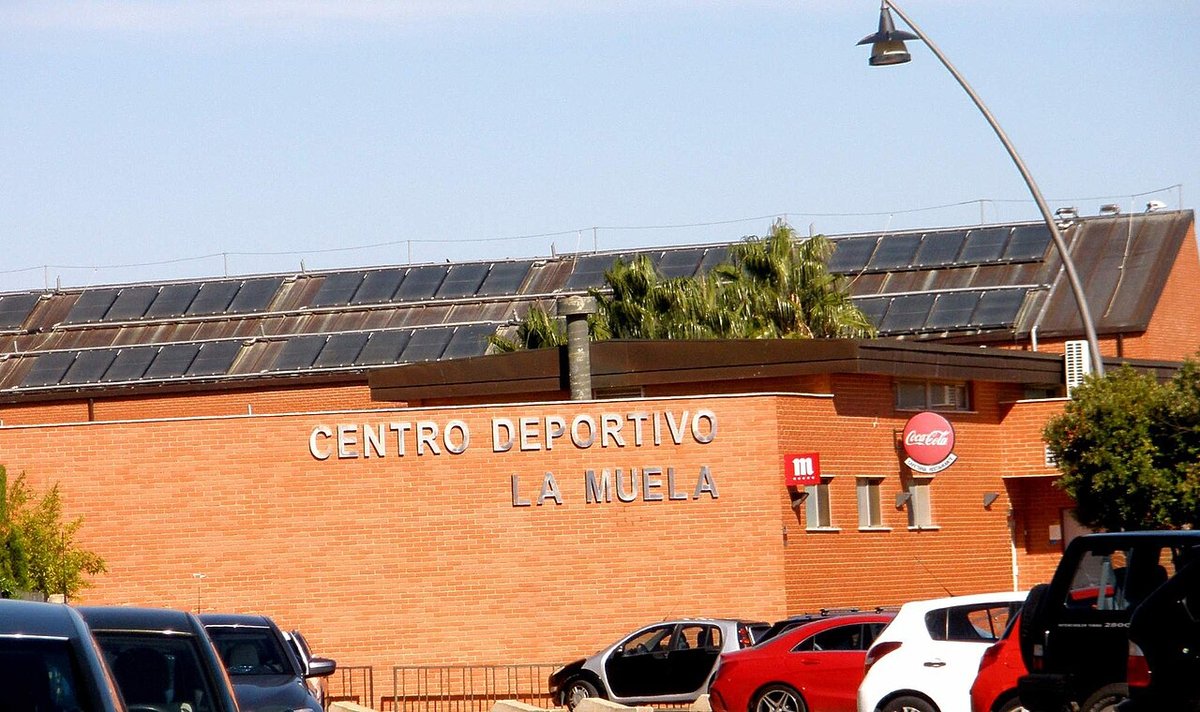
The fiesta mayor, 15–18 August, triples the head-count. Emigrants return from Zaragoza and Barcelona; teenagers who have never farmed parade tractors their parents once drove. Events are low-key: foam party in the polideportivo, mass followed by folk songs, a barbecue where the queue is longer than the village. Visitors are welcome but not fussed over—turn up with an appetite and you will be handed a plate and a judgemental stare if you overcook your chop.
Getting There, Getting Fed, Getting Cold
From Zaragoza–Delicias bus station, Autobuses Jiménez runs one daily service to Daroca at 14:30 (€9.70, 1 hr 20 min). There is no onward public transport; a taxi from Daroca costs €22 if you can persuade the driver to leave the city. By car, leave the A-23 at exit 197, follow signs to Villarroya for 15 km of curving secondary road—watch for wild boar at dusk. Petrol is available only in Daroca, so fill up.
Accommodation is the village’s weak link. There are no hotels, and the nearest hostal is 18 km away in Daroca. The ayuntamiento will sometimes rent the former schoolhouse (two bedrooms, wood-burning stove, €60 per night), but you must ask at the town hall on Friday morning before staff disappear for the weekend. Wild camping is tolerated on the commons provided you pack out rubbish and do not light fires after July; the guardia civil patrol once a fortnight and their definition of “tolerated” varies with the heat. Winter visitors should note the schoolhouse has no central heating—night-time temperatures drop to –8 °C in January, and the stove devours a wheelbarrow of oak per day. Bring slippers; the stone floors were designed for animals, not arches.
Leaving Without a Fridge Magnet
Villarroya del Campo will not suit everyone. If you need a souvenir shop, a café con leche before 10:00, or a curated audio guide, stay on the motorway. What the place offers instead is the chance to see an agricultural calendar that Romans would recognise, conducted at a pace dictated by lambs, lentils and the next cloud. Stay for an afternoon and you may leave with dusty boots and a slightly clearer understanding of how Spain’s interior has kept itself going when the coast boomed. Stay for three days and you will learn the exact hour the wind drops, which house keeps the church key, and why, in villages this size, every arriving car is identified by engine note before it rounds the corner.