Full Article
about Villel
Ocultar artículo Leer artículo completo
The church bell strikes noon, and nobody hurries. Not the two men sharing a cigarette outside the stone houses on Calle Mayor, nor the woman who stops her sweeping to watch a car crawl past. Villel, population 329, sits at 883 metres above sea level in the Sierra de Albarracín, and time here moves with the same deliberate pace it has for centuries.
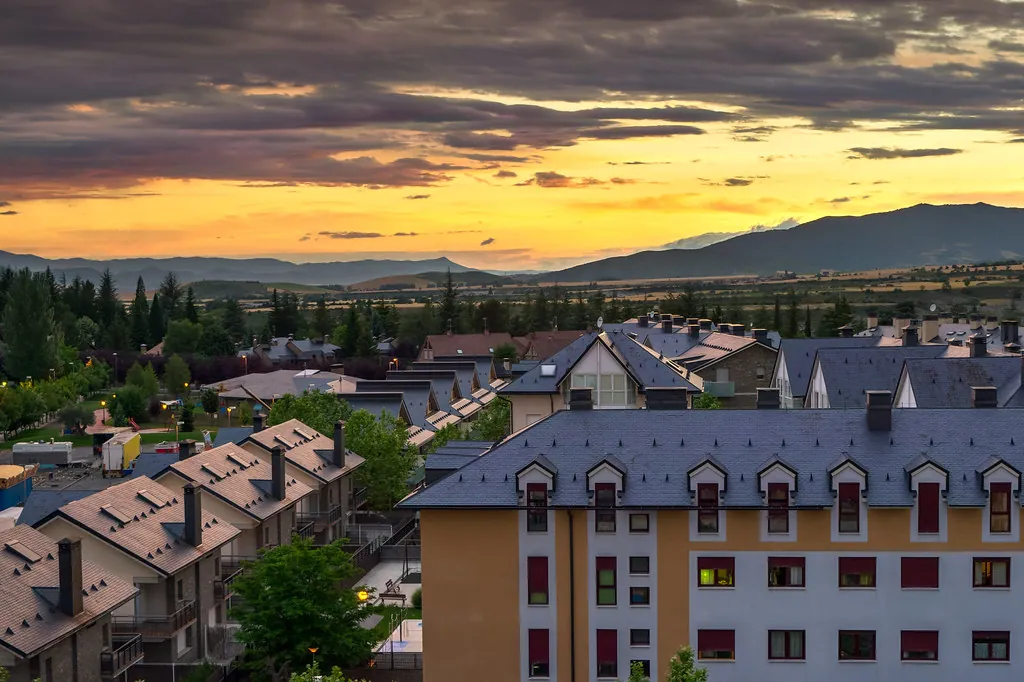
This isn't a village that puts on a show. The houses, built from local stone and adobe, lean into the hillside as if they've grown there. Their terracotta roofs sag slightly under the weight of winter snows, and wooden balconies sag further still. Walk uphill from the main square and the cobbled lanes narrow until two people must turn sideways to pass. The reward comes at the top: a sweeping view across pine forests and ancient terraces that stitch the mountainside together like green patchwork.
Stone Walls and Living History
The Iglesia Parroquial dominates the skyline, its stone tower visible from every approach road. Built piecemeal over centuries, it shows how Villel's residents adapted rather than replaced. Romanesque foundations support Gothic arches, while baroque additions sit comfortably alongside. Inside, the air smells of wax and centuries of Sunday mornings. The priest still conducts mass in the local dialect, a mix of Spanish and Aragonese that confuses even visitors from Madrid.
The surrounding houses tell their own stories. Masonry walls two feet thick keep interiors cool during July's 35-degree heat and warm through January's minus-five nights. Wooden beams, blackened with age, support ceilings low enough to touch. Many homes retain their original patios—small courtyards where families once kept chickens and grew herbs. Today, these spaces overflow with geraniums and the sound of radio football commentary drifting through open windows.
Traditional architecture isn't preserved behind ropes here. It's lived in, adapted, repainted when necessary. A 16th-century house might contain a modern kitchen, its stone walls now hiding WiFi routers and induction hobs. This pragmatic approach extends throughout the village. When a roof collapses, it's repaired with local tiles. When a wall cracks, it's patched with the same lime mortar used by medieval builders.
Walking the Old Ways
Villel's network of footpaths spreads like veins across the mountains. These aren't designated hiking trails with colour-coded markers and car parks. They're working paths, created by shepherds moving sheep between summer and winter pastures, by farmers reaching distant terraces, by mules carrying pine logs to village hearths.
The most accessible route follows the ridge above the village, a two-hour circuit that requires moderate fitness but no technical skill. The path starts behind the cemetery, climbing steadily through holm oak and Aleppo pine. At the summit, marked only by a cairn of stacked stones, the view opens across the Guadalaviar valley. On clear days, you can see the white buildings of Albarracín, twenty kilometres distant as the crow flies but an hour's drive along winding mountain roads.
Wildlife watching happens by accident rather than design. Wild boar root through the undergrowth at dusk, their striped young following in strict formation. Griffon vultures circle overhead, riding thermals with wings that span nearly three metres. The sharp-eyed might spot a Spanish ibex picking its way across limestone crags, or hear the cry of a golden eagle defending its territory from ravens.
Spring brings the best walking weather—mild days, cool nights, and wildflowers that transform the mountainside into a Monet painting gone wild. Autumn offers its own rewards: mushrooms push through forest floor litter, and the resident wild boar grow fat on acorns. Summer walking starts early; by 11am the heat becomes oppressive, sending sensible hikers back to village bars for cortados and conversation. Winter brings snow, sometimes heavy enough to cut road access for days. Locals stockpile firewood and food, treating isolation as routine rather than emergency.
What You'll Actually Eat
Forget Michelin stars and fusion cuisine. Villel's food reflects its geography: hearty, practical, designed to fuel agricultural work in harsh conditions. The village's two bars serve identical menus because they buy from the same suppliers and cook from the same grandmothers' recipes.
Order migas on Thursday—fried breadcrumbs with garlic, paprika, and whatever meat needs using up. It's mountain food, designed to stretch stale bread into something substantial. The local version includes longaniza, a cured sausage that tastes of smoke and time. Gachas, a thick porridge made from flour and water, sounds unpromising but becomes delicious when enriched with local honey and served with thick hot chocolate on winter mornings.
The matanza happens in December, when families gather to slaughter and process a pig. Every part gets used: blood for morcilla, fat for cooking, skin for chicharrones, meat for curing. Visitors staying in self-catering accommodation might find local sausages for sale at the bakery—just ask María, whose family has run the ovens for three generations. She'll wrap your purchase in waxed paper and add cooking instructions, though her English extends only to "thank you" and "goodbye."
Sweet treats appear during festivals. Mantecados, shortbread biscuits flavoured with aniseed, crumble at first bite. Rosquillas, ring-shaped doughnuts glazed with sugar, taste of lemon zest and olive oil. These aren't factory-produced souvenirs but home-baked goods made to family recipes guarded like state secrets.
Getting There, Staying Sane
Teruel's airport closed years ago, so international visitors face a journey. Fly to Valencia or Zaragoza, both two hours' drive away on motorways that empty dramatically after leaving the coastal plains. Car hire is essential—public transport involves multiple changes and takes most of a day.
The road from Teruel twists through pine forests and across mountain passes. In winter, carry snow chains even if the forecast looks clear. Weather changes quickly at altitude, and the Guardia Civil won't let you proceed without proper equipment. Mobile phone coverage disappears in valleys, so download offline maps before departure.
Accommodation options remain limited. Two village houses offer rooms to rent—basic but clean, with shared bathrooms and kitchen facilities. Book directly through the village website, though responses might take several days. The owners don't monitor emails obsessively; they're more likely to be fixing a roof or harvesting almonds than checking reservations.
Bring cash. The village ATM runs dry by Monday morning and won't be refilled until Thursday. Cards work in the supermarket, but the bakery, bars, and market stalls deal only in euros. Walking boots prove essential—even a simple stroll to the village fountain involves uneven cobbles that defeat trainers.
The Reality Check
Villel won't suit everyone. Shops close for siesta between 2pm and 5pm, longer on hot days. The weekend bus service might not run if the driver's mother is ill. English isn't spoken—your Spanish needs to stretch beyond "dos cervezas" to include "where's the footpath?" and "is this private land?"
Yet for those willing to embrace its rhythms, Villel offers something increasingly rare: authenticity without artifice. The mountains haven't been landscaped for Instagram. The food hasn't been deconstructed for food blogs. The village simply continues, adapting to modernity at its own pace, welcoming visitors who arrive prepared to fit in rather than demand change.
Come with realistic expectations and proper preparation. Leave with mud on your boots, woodsmoke in your hair, and the certain knowledge that places like this still exist—just don't expect them to stay the same forever.