Full Article
about Vinaceite
Ocultar artículo Leer artículo completo
The church bell strikes two o'clock and every shutter in Vinaceite snaps shut. Not metaphorically—this is the sound of painted wood against stone, followed by the soft click of iron latches. Between the bakery closing at 1:30 and the bar reopening at five, the village simply holds its breath. Walk the single main street during this interval and you'll hear your own footsteps echoing off the adobe walls, the hum of agricultural machinery somewhere beyond the wheat fields, and absolutely nothing else.
A Village That Forgot to Shrink
Vinaceite sits at 303 metres above sea level in the Bajo Martín region, forty-five minutes' drive south-east of Teruel. The map shows a cluster of terracotta roofs around the stone tower of San Miguel Arcángel, surrounded by a patchwork of cereal crops and olive groves that stretches to every horizon. What the map can't convey is the persistence of daily rhythms that most of rural Spain abandoned decades ago. Farmers still store grain in communal stone silos at the village edge. The bakery only makes bread on Tuesdays and Fridays; locals freeze extra loaves or drive to Valderrobres for the rest of the week. Even the village's population figure—officially 211, realistically closer to 150—feels provisional, swelling at weekends when children return from Zaragoza or Valencia.
The architecture refuses prettification. Houses are built from whatever came to hand: ochre limestone, river pebbles set in mortar, chunks of gypsum hauled from nearby outcrops. Many still bear the carved stone escutcheons of families who left for Barcelona in the 1960s, their coats of arms weathered to near-illegibility. Windows remain human-scaled, not the plate-glass picture frames demanded by coastal holiday lets. A modest balcony outside the former schoolhouse still carries the iron railings where the teacher hung her bedding each morning—a detail that would be twee if it weren't simply still there, rusting quietly in the dry air.
Walking Through the Agricultural Clock
The best way to understand Vinaceite's relationship with its surroundings is to follow the farm tracks that radiate outwards at cardinal points. Each leads through a slightly different geological chapter. North towards Cretas the soil darkens: more clay, more olives. East to Beceite the land dips into the Matarraña river gorge, vineyards appearing among the almond terraces. South and west the gradient rises imperceptibly, wheat dominating right up to the point where the plough turns back for lunch.
These tracks aren't signed as hiking routes; they're working infrastructure. You'll share them with the occasional tractor, its driver raising two fingers from the steering wheel in greeting, and with hoopoes that flap between the telegraph poles. Shade is scarce—one lone poplar planted beside a dried-up irrigation channel, the shadow of a stone bridge—so early starts are sensible. By 11 a.m. between June and August the thermometer edges past 34 °C and the cicadas drown out thoughts. Carry water, because the next fountain might be dry; many were capped during the 1990s when agricultural chemicals began seeping into the groundwater.
Late afternoon tilts everything gold. That's when photographers appear, tripods set up beside the cemetery wall to catch the low sun igniting the wheat stubble. The light turns the stone houses translucent, revealing fossilised shells in the masonry—remnants of an ancient seabed lifted 300 metres skyward by tectonic shrug. For half an hour the village looks almost planned, the haphazard rooftops aligned into a single glowing plane. Then the sun drops behind the low sierra and the temperature falls ten degrees in as many minutes.
Eating What the Fields Decide
There is no restaurant in Vinaceite. The bar, Casa Roque, opens at five for coffee and card games, serves tapas if you ask politely, and might stretch to a plate of jamón if the delivery van came that week. What you eat here depends on the agricultural calendar: artichokes in April, tomatoes that actually taste of something in July, game stews once the hunting season starts in October. Locals still keep huertos—vegetable plots irrigated by hosepipe on Tuesdays and Fridays when the village pump operates. If you're staying in a self-catering casa rural, expect a gift of whatever is bolting: lettuce in May, peppers in September, oranges that never quite turn sweet in January.
Five kilometres away in Beceite, Restaurante Font del Pas offers a more reliable menu. Grilled lamb cutlets arrive slick with local olive oil, the meat faintly herbed by mountain pasture. A three-course lunch menu costs €18 mid-week, €22 at weekends, wine included. The chef trained in Valencia but returned home; he understands that British visitors want vegetables that haven't been boiled into submission and will quietly substitute salad for chips if asked. Book ahead during August when Spanish families occupy every table at 3 p.m. sharp.
When the Village Comes Back to Life
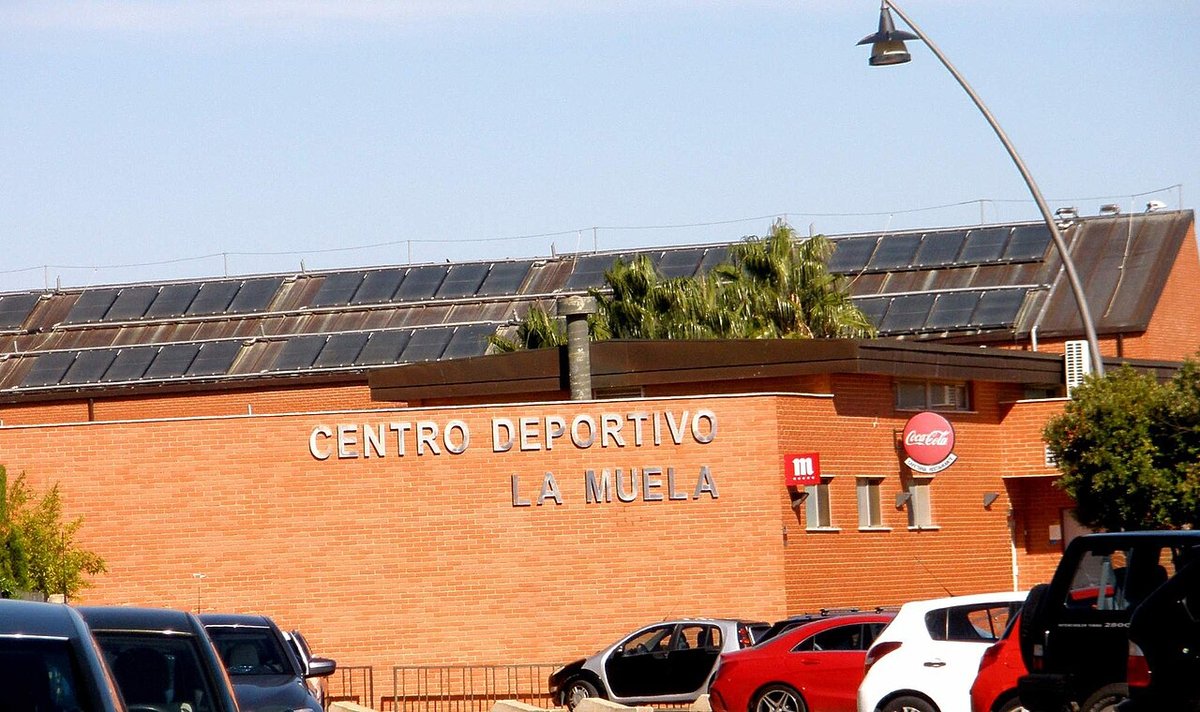
San Miguel Arcángel's feast day falls on 29 September, but preparations begin the previous weekend. By Saturday lunchtime the population has tripled. Grandmothers who emigrated to Tarragona in the 1970s reappear, unchanged apart from softer accents. A sound-check echoes from the polideportivo: someone testing decades-old speakers that will blast pasodobles until four in the morning. The bakery works flat-out, producing sweet mantecados that crumble across every car seat.
Sunday morning starts with a procession so short it barely leaves the church square: the statue of San Miguel, silver wings glinting, carried by eight men in matching polo shirts. After Mass the priest blesses tractors lined up like altar boys, their chrome exhaust pipes wrapped in plastic rosary beads. Then everyone drifts to the bar for vermouth on ice, children weaving between adults' legs, the village's one evening of noise before Monday's return to hush.
Winter contracts Vinaceite further. January fog pools in the valley, sometimes lingering for days; temperatures drop to –4 °C at night, yet central heating remains a minority pursuit. Wood smoke flavours the air, rising from chimneys that haven't been swept since Franco's day. Driving becomes interesting: the A-1414 ices over in patches, and the nearest gritting depot is twenty minutes away in Valderrobres. If snow arrives—once every three or four years—the village is effectively cut off until a farmer attaches a plough to his tractor.
Getting There, Staying Sane
Fly to Zaragoza (Jet2 from Manchester, Ryanair from Stansted) then pick up a hire car. The 130 km drive takes ninety minutes on the A-23 autovía followed by twenty on empty secondary roads. Valencia is an alternative, slightly longer at two hours but with more UK flights. Public transport does not reach Vinaceite; the nearest bus stop is in Valderrobres, 18 km away, served twice daily from Teruel.
Accommodation options are limited. Most visitors base themselves in Beceite where Hotel Restaurante La Fábrica de Solfa occupies a converted textile mill beside the river. Rooms start at €70 mid-week, rising to €95 at weekends; request a north-facing room if August heat worries you. Self-catering casas rurales cluster in the older quarter—expect stone walls 60 cm thick, Wi-Fi that depends on the weather, and total darkness once the single street-light times out at midnight. Bring a torch.
Cash is essential. Vinaceite has no ATM; the nearest is in Valderrobres, and it runs out of notes at weekends. Fill the tank before leaving the autovía—petrol stations thin out dramatically once you cross into Teruel province. Phone signal flickers: Vodafone works on the upper street, Orange demands you stand in the church porch, Three simply gives up.
Worth the Effort?
Vinaceite offers no Instagram-ready viewpoints, no artisan gift shops, no curated heritage trail. What it does provide is a calibration point for internal clocks dulled by urban urgency. You'll find yourself noticing subtle shifts: the way wheat changes from green to blonde in a week, how the evening star appears above the church tower at the same angle every April evening, the moment when the bakery exhaust switches off and silence floods back in. Stay three days and the village starts including you—someone nods recognition outside the bar, the baker remembers you prefer the crustier loaf, a farmer waves you over to watch newborn lambs stumble after their mothers.
Leave before the fourth day, though. Longer than that and the quiet begins to feel less like respite and more like erosion. Vinaceite isn't trying to charm anyone; it simply continues, and that stubborn continuity is both its appeal and its limit. Drive away at dawn, wheat fields glowing in the rear-view mirror, and the first roundabout on the approach to Zaragoza will feel almost violently busy. That's when you'll understand what the village was offering all along: a brief, precise recalibration of scale—human, temporal, geographical—before the wider world rushes back in.