Full Article
about Visiedo
Ocultar artículo Leer artículo completo
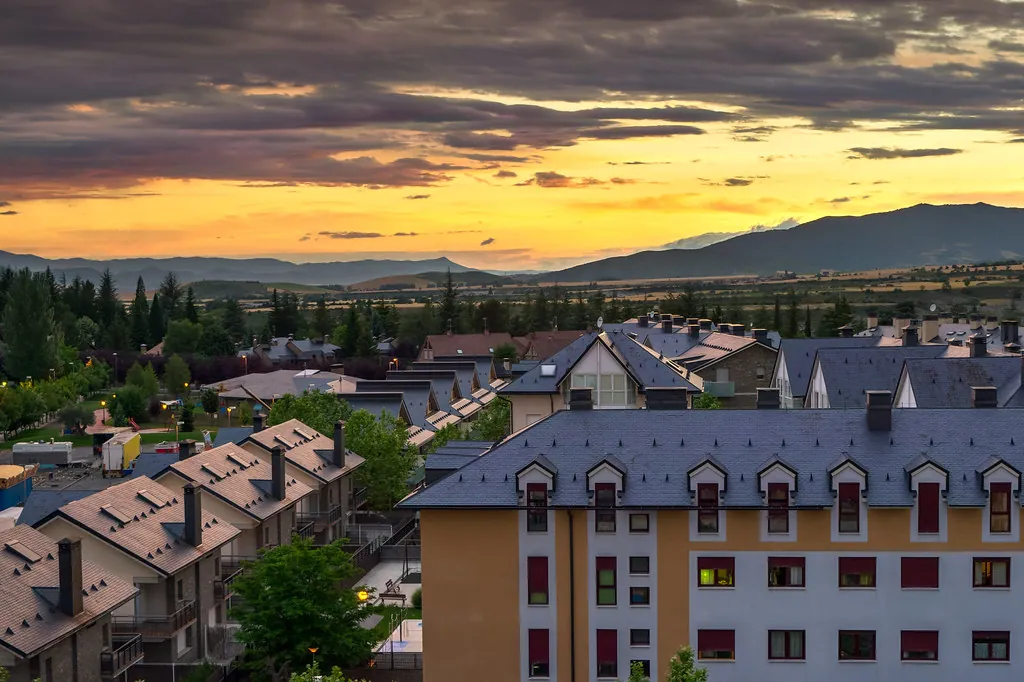
At 1,185 metres, Visiedo sits high enough that your ears might pop on the final approach from Teruel. The village arrives suddenly after a series of switchbacks—stone houses huddled against a ridge, their terracotta roofs the only warm colour in a landscape of grey-green scrub and rust-coloured earth. With 118 permanent residents, it's the sort of place where the church bell still marks the hours and strangers get a nod, though rarely a smile.
The altitude changes everything. Summer mornings start cool enough for a jumper, even when Valencia's coast is sweltering. By midday the sun burns fierce, but step into shadow and the temperature drops ten degrees. Winter brings proper snow—sometimes just a dusting, occasionally enough to cut the village off for a day or two. The road from Teruel, 25 kilometres away, gets gritted eventually, but not necessarily before the school run. If you're driving in winter, carry chains and don't rely on phone signal for help; there isn't any.
Stone, Sky and Silence
The village centre takes twenty minutes to walk around, assuming you stop to read the stone plaques dedicated to local saints and civil-war dead. Houses here are built from the mountain itself—rough limestone blocks mortared together so thickly that interiors stay naturally insulated. Look up and you'll see dates carved into lintels: 1764, 1832, 1898. The church tower, square and unadorned, was repaired after lightning struck in 1957; the scar where new stone meets old is visible if you know where to look.
There are no souvenir shops. The only commerce is a tiny general store open 9-11am (except Mondays), selling tinned tuna, washing powder and local honey that tastes faintly of orange blossom. The bar doubles as the social centre—men play dominoes at midday, women gather for coffee at 5pm sharp. Order a caña and you'll get a free tapa: perhaps migas, fried breadcrumbs with grapes and bacon, milder than the versions further south. They'll accept cards, but bring cash for everything else. The honesty box by the ruined castle accepts coins only, and the museum (one room, agricultural tools) needs the mayor to unlock it. Phone +34 978 779 001 at least a day ahead.
Walking Without Waymarks
Footpaths radiate from the upper edge of the village, though you'd never know it. There's no tourist office, no glossy leaflets—just worn stone tracks that once connected Visiedo to neighbouring hamlets now half-abandoned. One path drops into a shallow valley where old threshing circles lie abandoned among almond groves. Another climbs gently towards a ridge topped with wind-bent pines; from here you can see the entire village, its houses clustered like sheep against the weather.
The walking is easy—gradients gentle, distances short—but carry water. The altitude dehydrates faster than you'd expect, and there's no shade beyond the occasional holm oak. Spring brings wild orchids and the smell of thyme; autumn turns the broom gold against dark soil. In summer, start early or wait until after 5pm; the sun at midday is merciless even at this height.
Birdlife rewards patience. Griffon vultures circle on thermals, their wings catching light like polished bronze. Listen for the clatter of stone as ibex move across scree slopes above the tree line. At night, away from the village's single streetlamp, the Milky Way arcs overhead with a clarity impossible in Britain's light-polluted skies.
When to Come, When to Stay Away
April and May are perfect—wildflowers in the fields, temperatures hovering around 18°C, village fountains running with melted snow. September brings the grape harvest; locals invite helpers to pick their small plots, payment being lunch and a share of the wine. October light is photographer's gold, low and warm, turning stone walls honey-coloured.
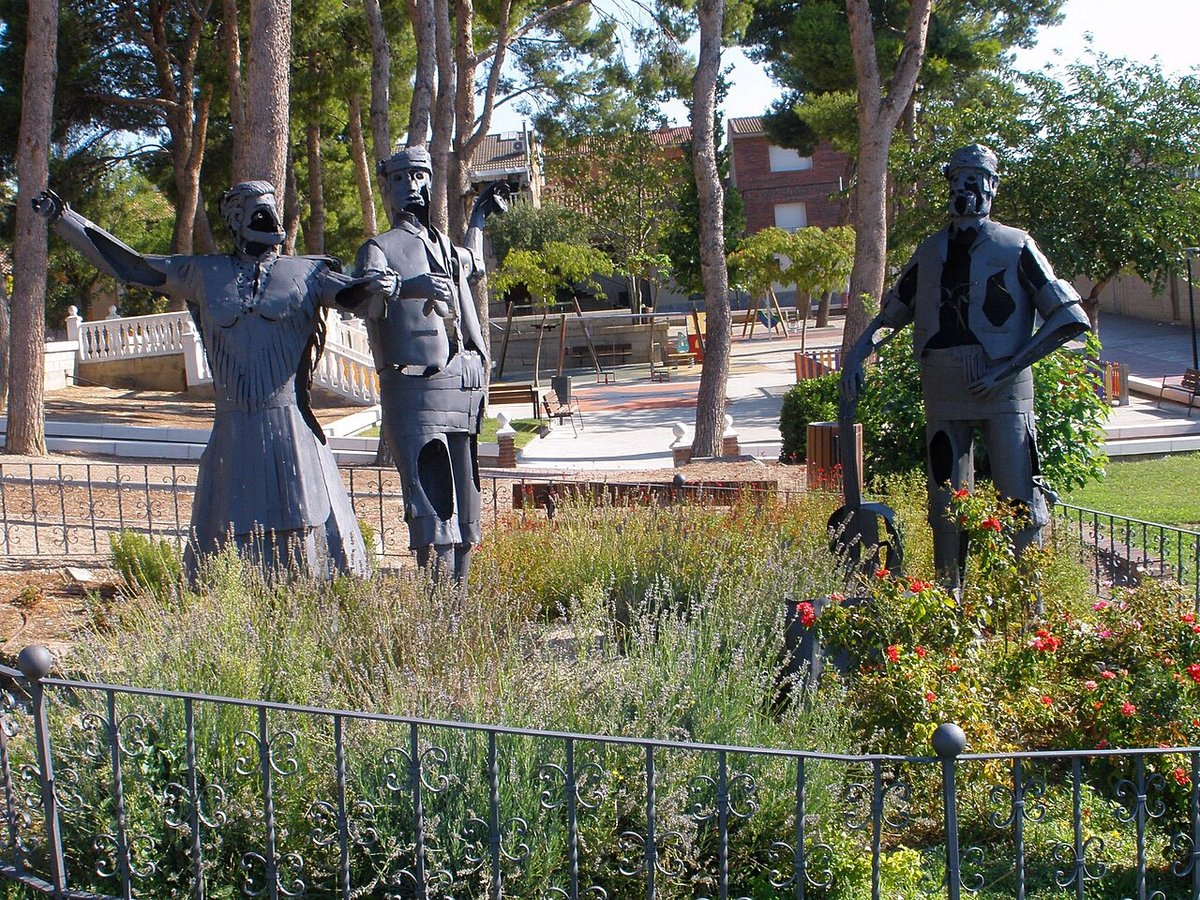
Avoid August unless you've booked accommodation months ahead. Spanish families return for the Dance of Visiedo, a three-day fiesta where the population swells to 500. Streets fill with music and roasting lamb; it's unforgettable but overwhelming, and the nearest available bed is 30 kilometres away in Teruel. January and February can be magical under snow, or miserable in freezing fog. Check the weather obsessively—roads ice over quickly at this altitude, and the village has no garage should you skid.
Ruins, Honesty Boxes and Other Realities
The castle isn't Disney-perfect. What remains are waist-high walls and a gateway you can walk through, nothing more. The tower collapsed decades ago; stones were recycled into village houses, a common practice here. Don't expect interpretation boards or safety railings—just a quiet spot where the wind carries voices from the village below.
Monday is closed day. The bar, the shop, even the church stays locked. Plan accordingly or you'll be eating emergency biscuits from the car. Mobile coverage is patchy at best; download offline maps before you arrive. The nearest petrol is back in Teruel—fill up before you leave the A-23.
This isn't a destination for ticking off sights. Visiedo works better as a pause between places, somewhere to slow down and recalibrate. Stay two hours and you'll have seen everything; stay two days and you might begin to understand the rhythm—how the sun hits the church wall at 3pm, where the old men gather at dusk, which fountain runs coldest. The village doesn't court visitors, but it tolerates them well enough. Come prepared, tread quietly, and the silence might just start to feel like company rather than absence.