Full Article
about Vistabella
Ocultar artículo Leer artículo completo
The church bell tolls twelve times, yet nobody appears. Lunchtime in Vistabella happens behind thick stone walls, where families gather around tables heavy with lamb stew and the local red that flows more freely than water. From the bell tower, the view stretches across 360 degrees of vineyards—row upon row of garnacha and cariñena grapes that have defined this landscape since Roman legions first planted here.
At 754 metres above sea level, Vistabella earns its name honestly. The tiny village commands the heights of Campo de Cariñena, Aragon's oldest wine denomination, where medieval farmers built their settlement precisely for this vantage point. They needed to spot approaching armies from Moorish-held Teruel. Today's visitors come for different reasons: to walk empty lanes between stone houses, to photograph vineyards that blush gold at sunset, to remember what rural Spain felt like before tourism arrived.
The Wine That Built Everything
Every road into Vistabella cuts through vines. These aren't boutique estates with tasting rooms and gift shops—they're working vineyards where tractors kick up dust clouds during harvest season. The local cooperative in neighbouring Cariñena processes grapes from 3,000 smallholders, many farming plots their families have tended for centuries. Their Cariñena reds sell for £6-8 in British supermarkets, though you'll drink better examples in village bars for half that price.
The wine here carries distinctive terroir. At this altitude, temperature swings of 20°C between day and night concentrate flavours in thick-skinned grapes. Garnacha dominates—spicy, peppery, perfect with the local lamb that grazes on mountain herbs. Visit during September's vendimia and you'll witness the entire comarca transformed into one massive harvest festival. Tractors parade through streets decked with grape vines, their drivers sampling last year's vintage between loads.
Walking Through Living History
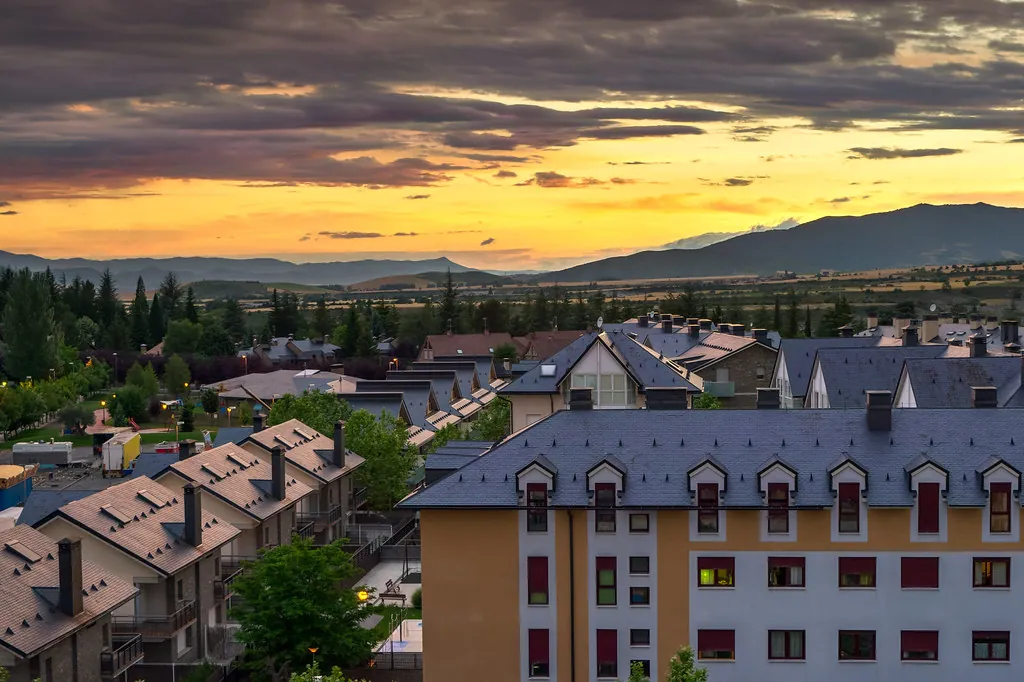
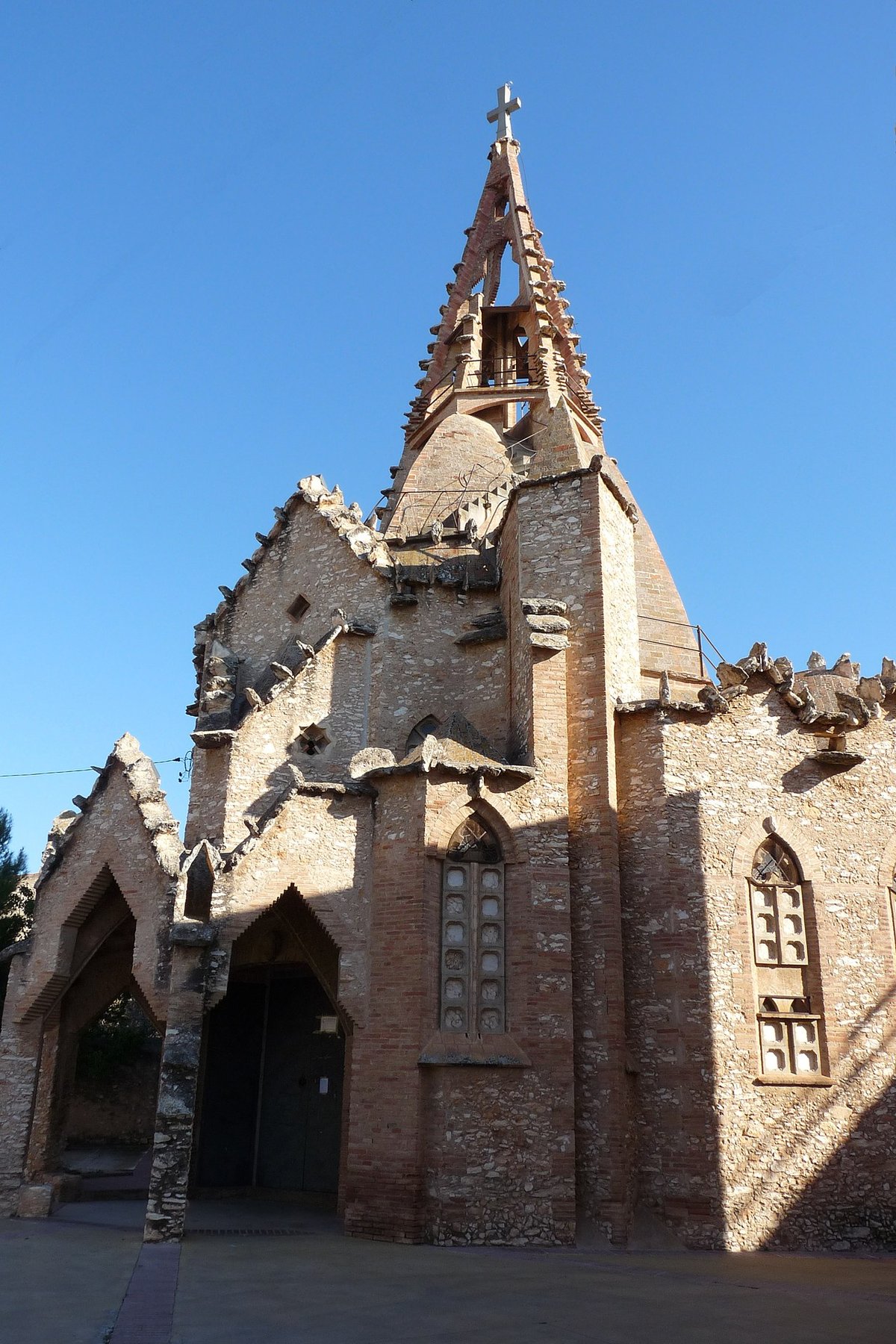
Vistabella's architectural heritage won't feature in guidebooks. What exists feels more honest: a compact grid of stone houses built for practicality, not postcards. The 18th-century church squats at the village centre, its squat bell tower more fortress than spiritual beacon. Iron balconies sag under geraniums. Doorways stand barely five feet high—people were smaller when these houses went up.
Wander downhill past the old wash house, where women scrubbed clothes until village plumbing arrived in the 1970s. Follow the track that becomes a dirt path, becoming eventually just two ruts between vineyards. Within ten minutes, Vistabella shrinks to a stone-coloured smudge against golden fields. This is walking country for those who prefer solitude to signposted routes. Paths link to neighbouring villages—Almonacid de la Sierra sits 4km south, its ruined castle visible long before you arrive.
Spring brings colour explosions: almond blossom white against red earth, wild poppies splashing scarlet through wheat fields. Autumn transforms the same landscape into burnished copper. Summer walks require early starts—temperatures hit 35°C by midday, though altitude keeps mornings bearable. Winter visitors encounter a different place entirely: cold winds whistle through empty streets, and snow occasionally dusts the surrounding peaks.
What Passes for Entertainment
Evenings centre on the village bar, singular. It opens at seven, serves tapas until nine, then transforms into the local social club. Grandfathers play cards in one corner, teenagers scroll phones in another. Order a caña and you'll receive complimentary olives grown in someone's garden. The television shows football—always football—while conversation flows in thick Aragonese accents that even Madrilenians struggle to decipher.
Food remains resolutely traditional. Local restaurants (there are two) serve what their grandmothers cooked: ternasco—milk-fed lamb roasted until it falls from bone; migas—fried breadcrumbs with grapes and chorizo; borrajas—vegetable unique to Aragon that tastes like spinach crossed with cucumber. Portions border on absurd. One plate of migas feeds two hungry walkers. Prices hark back to simpler times—three courses with wine rarely exceeds £15.
The village shop stocks essentials: bread baked in Cariñena, tinned tomatoes, local cheese that tastes of thyme and rosemary. Opening hours follow Spanish rural logic: 9-1, 5-7, closed Thursday afternoons and all Sunday. Plan accordingly. The nearest supermarket sits 12km away in Cariñena proper—worth the journey for supplies, though the town itself offers little beyond petrol stations and cash machines.
Practicalities for the Curious
Getting here requires wheels. From Zaragoza, the A23 motorway speeds south through olive groves and wind farms. Exit at Cariñena, then navigate country lanes where GPS loses signal. The journey takes 55 minutes in good traffic. Public transport? Forget it. One daily bus connects Cariñena to Zaragoza—miss it and you're stranded.
Accommodation means rural tourism houses, converted from agricultural buildings. Casa Rurales Alba and La Parada del Comediante offer two-bedroom properties from £70 nightly. Both provide fireplaces for winter visitors and terraces overlooking vineyards. Book directly—owners speak limited English but communicate effectively through WhatsApp translation.
Timing matters. April-May brings perfect walking weather: 18-22°C, clear skies, wildflowers everywhere. September-October coincides with harvest: days warm but evenings cool, villages buzzing with activity. July-August hits 38°C at midday—siesta becomes essential rather than cultural curiosity. December-February sees temperatures hover around 5°C, with biting winds that drive everyone indoors by four o'clock.
Vistabella offers no monuments to tick off, no Instagram hotspots, no souvenir shops selling flamenco dolls made in China. What exists feels more valuable: a functioning Spanish village where tourism remains incidental rather than essential. Come for the wine, stay for the silence broken only by church bells and barking dogs. Leave before you start recognising faces in the bar, before the barman remembers your drink order. Some places are better left slightly mysterious, ready for your return when city life becomes unbearable.