Full Article
about Gallur
Hide article Read full article
A Dance That Sets the Pace
Tourism in Gallur can feel like arriving mid-performance while everyone else already knows the steps. The clearest example is the Dance, a traditional Aragonese performance that takes over the town in August. It moves fast. Dancers spin and stamp with such intensity that footwear needs to be secured tightly, sometimes with cords or ribbons to stop it flying off.
This is not decorative folklore. There is force behind it, a sense that the rhythm matters as much as the choreography. Watching it can be slightly disorienting at first, like trying to track something moving too quickly to follow. Then it settles into a pattern that pulls in the crowd gathered around the square.
The Dance is tied to local festivities, and when it happens the atmosphere shifts. Gallur becomes louder, more animated, with the kind of energy that only appears when tradition is still actively lived rather than staged.
A Hill, a Church and Reused History
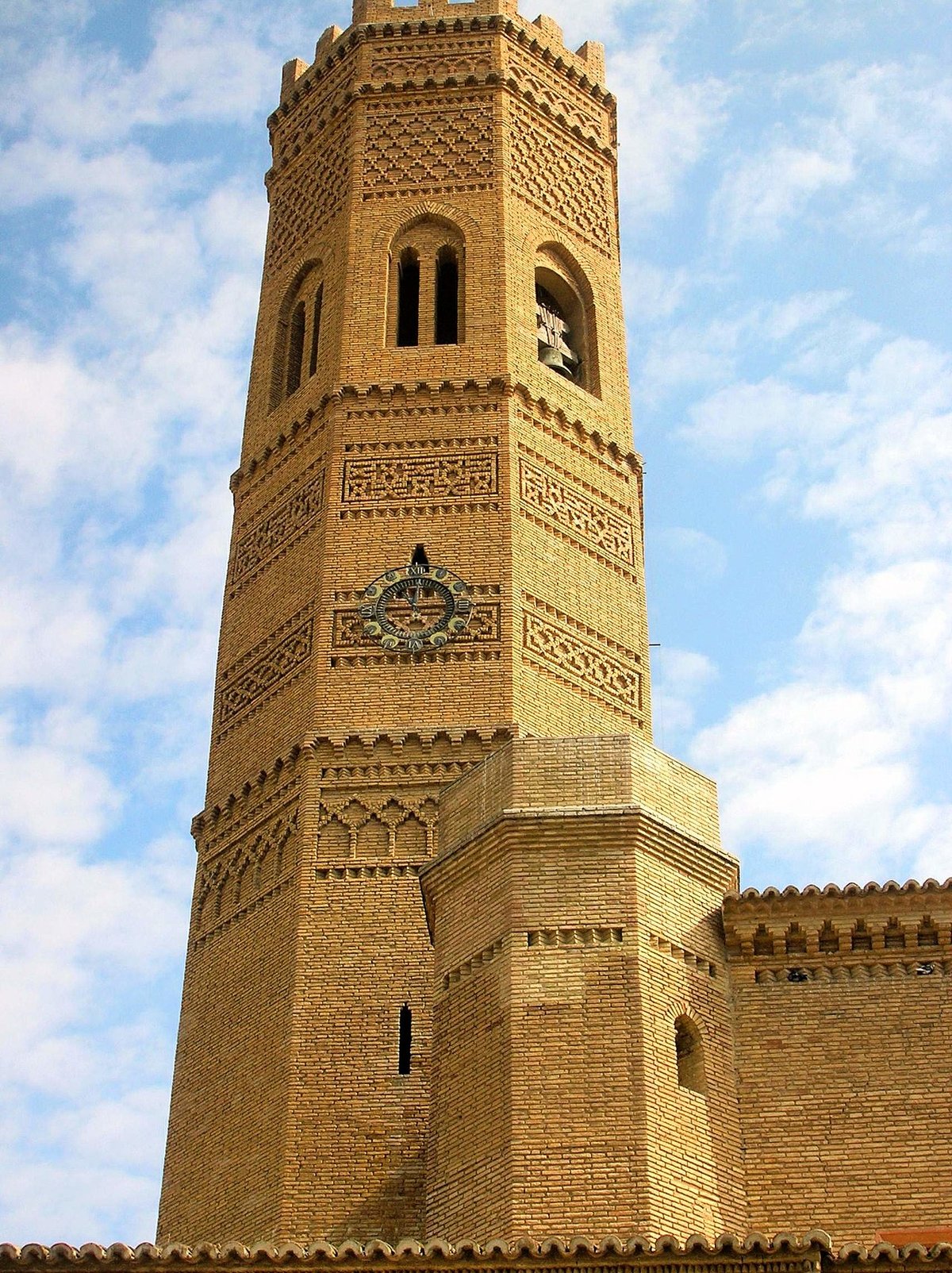
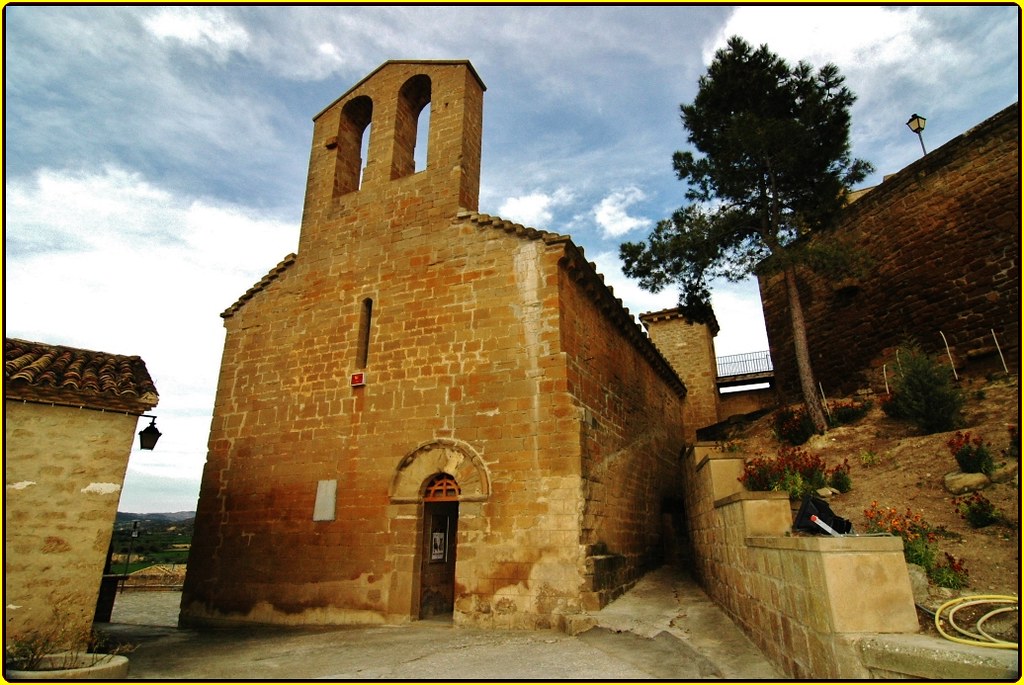
Gallur gives the impression of a place that has adapted whatever it had available over the centuries. On a hill where an old fortification once stood, mentioned in medieval chronicles, the Iglesia de San Pedro now dominates the skyline. The current building dates from the 18th century and carries a restrained, almost civic appearance rather than an overtly ornate religious one.
Inside, there are pieces of religious goldsmithing that locals know well. The interior avoids excess. It feels like a space still woven into everyday life rather than a monument set apart from it.
Another element of local identity appears in the comparsa de gigantes. These large figures, made from papier-mâché, represent traditional characters such as apostles and noble figures. They come out during celebrations and move through the narrow streets accompanied by music. The scene has a familiar, almost childlike quality: oversized heads, lively sounds, and children running alongside as the figures pass.
Water That Reshaped the Land
The presence of the Ebro is not distant here. It stays close enough to shape the surroundings, and its influence is visible across the landscape. The Canal Imperial de Aragón, begun in the 18th century, runs through the area and transformed how land could be cultivated.
One of the most recognisable features linked to this relationship with water is the Puente de San Antonio. It is a green-painted metal bridge used daily by residents. Its appeal does not lie in grandeur but in what it represents: a practical structure that reflects how the town lives alongside its waterways.
Irrigation changed everything. Around Gallur, orchards and market gardens appear where much of the wider province would otherwise look far drier. In season, the air carries the scent of ripe fruit. Summer visitors often end up tasting local produce, such as peaches, almost by accident rather than design.
Straightforward Food, No Fuss
Food in Gallur keeps things simple on the surface. The kind of cooking that does not announce itself but reveals depth once tasted.
Borraja is a regular feature, often stewed with potato and meat. Ternasco, the young lamb typical of Aragón, remains a staple across the Ebro valley. Then there are migas, a dish built around fried breadcrumbs, commonly served here with grapes or longaniza, depending on what is at hand.
There is no elaborate theory attached to eating well in places like this. A reliable approach is to notice where local groups gather around long shared tables. When a group of friends or a peña settles in somewhere, it usually points in the right direction.
Paths Along Canal and River
The Canal Imperial offers stretches that can be explored on foot or by bicycle. The terrain is almost entirely flat, making it easy to cover distance without much effort. These are the kind of routes where movement becomes secondary to observation: irrigation channels, cultivated fields, and the occasional patient fisherman appear along the way.
Other paths lead closer to the Ebro and the surrounding farmland. This is not mountain hiking and does not require specialised gear. The routes are long and level, better suited to unhurried walks or steady cycling than to any sense of challenge.
Time tends to pass quietly in these areas. The landscape does not demand attention but rewards it if given.
When the Town Changes Rhythm
Late August is when the Dance usually takes place, as part of the town’s main festivities. For anyone interested in Aragonese folklore, this is when Gallur shifts its tempo and fills with people.
Earlier in the summer, celebrations linked to San Pedro and San Pablo bring open-air dances, band music and traditional events. By autumn, there are still romerías and local gatherings, occasions where people often walk out into the countryside before sitting down together to eat.
Gallur does not aim to impress instantly. It works more gradually. A walk through the streets leads to a meal, then perhaps a slow stretch by the canal or a detour towards the river. Nothing dramatic needs to happen for the day to feel complete. By the time it ends, the sense of having done very little in particular becomes part of the appeal.