Full Article
about Luceni
Hide article Read full article
Luceni is a place you notice on the map because of the river
You know those small towns you pass on the way to somewhere else? The ones where you see a church tower and a cluster of houses surrounded by an ocean of green? That’s Luceni. It sits about 40 kilometres from Zaragoza, in the Ribera Alta del Ebro, and it makes no effort to convince you to stop. Its purpose isn’t tourism. It’s farming. And that, funnily enough, is exactly why it’s worth slowing down for.
This is a village built by and for its fields. The Ebro isn't just a pretty view here; it's the reason the place exists. Every road out of town leads to vegetable plots, fruit trees, and a spiderweb of acequias, those ancient irrigation channels that still water the land. If you want to understand Luceni, forget monuments. Watch how the water moves.
A practical sort of place
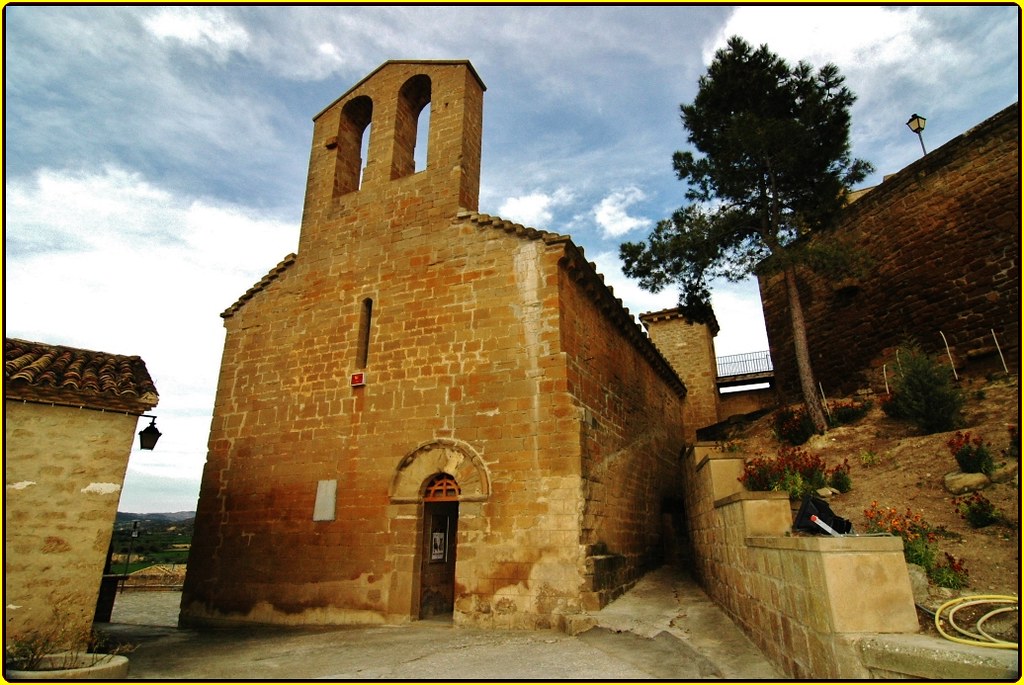
The parish church tower is your landmark. You can see it from the road, rising above flat fields of artichokes and corn. The streets around it are straight and functional, laid out for getting things done, not for strolling. Houses are made of brick, stone, and adobe—some neatly restored, others looking like they’ve been patched together over generations just to keep the weather out.
You’ll notice the porches and galleries on some homes. In summer here, with that dry Aragonese heat bearing down, any strip of shade feels like a luxury. It’s practical architecture.
Walk ten minutes in any direction and you leave the village behind. The ground turns to soft earth underfoot, and you’re between plots of chard and lettuce. The sound changes too. You start hearing birds in the hedgerows and the low hum of water flowing through concrete ditches and old stone channels side by side.
The pull of the river
The Ebro’s sotos, those ribbons of riverside woodland, aren't far. The air gets heavier there, more humid, filled with the smell of damp earth and poplar leaves. It’s a different world from the open fields. You'll likely see anglers parked along the banks, rods in the water, hoping for carp or barbel.
The paths here aren't official hiking trails. They're farm tracks made by tractors and daily use. My advice? Pick one that looks like it heads toward the water and just follow it. There's no signposting, but getting mildly lost between an orchard and an irrigation ditch is sort of the point. You're seeing the backstage of this whole comarca.
Eating what grows outside
Don't come looking for avant-garde cuisine. Come hungry for vegetables that were in the ground that morning. The cooking is straightforward: simple stews, grilled local produce, spoon dishes for winter. What you're eating is a direct translation of the landscape on your plate.
I once got talking to an older guy outside his house about his tomato plants. Five minutes later, I had a full breakdown of that season's rainfall and why his onions were better than his neighbour's. That's a typical conversation here. Food isn't a trend; it's a harvest report.
A matter of rhythm
You can "do" Luceni's central streets in under an hour if you rush it. But that misses everything. The value is in slowing to its pace. Spend an afternoon walking out to the riverbanks or following a track until it fades into a field. That’s when you feel it. This village isn't an attraction. It's someone's workplace, and we're just passing through their office.
Their festivals are like that too. The big summer fiestas are for residents, with processions and dances in the square. If you're there, you're welcome, but no one put on a show for you. It feels real because it is.
Getting there without fuss
From Zaragoza, it's a straightforward drive down the A-68, then onto local roads through farmland. Under an hour. Leave your car at the entrance; the entire place is walkable. The paths start where the pavement ends. Bring shoes that can handle dirt tracks and don't expect fanfare. Luceni is what it is: a working village in a bend of the river, honest as they come