Full Article
about Pedrola
Hide article Read full article
An afternoon that slows the village down
Around five in the afternoon, when the winter sun starts to dip towards the Ebro, the bricks of the Palacio Ducal take on a darker, warmer tone, as if they were still holding on to the day’s heat. The main square settles into a half-silence. A door closes somewhere, a car pulls in briefly, footsteps echo across the hard ground. Pedrola reveals itself like this, gradually, without any rush.
It does not take long to see that this village in the Ribera Alta del Ebro has always lived between two very concrete elements: the river and irrigated farmland. The surrounding fields stretch out flat and long. During the irrigation season, the air carries the smell of freshly cut alfalfa and damp soil, a scent that defines the place as much as its buildings.
The palace at the centre
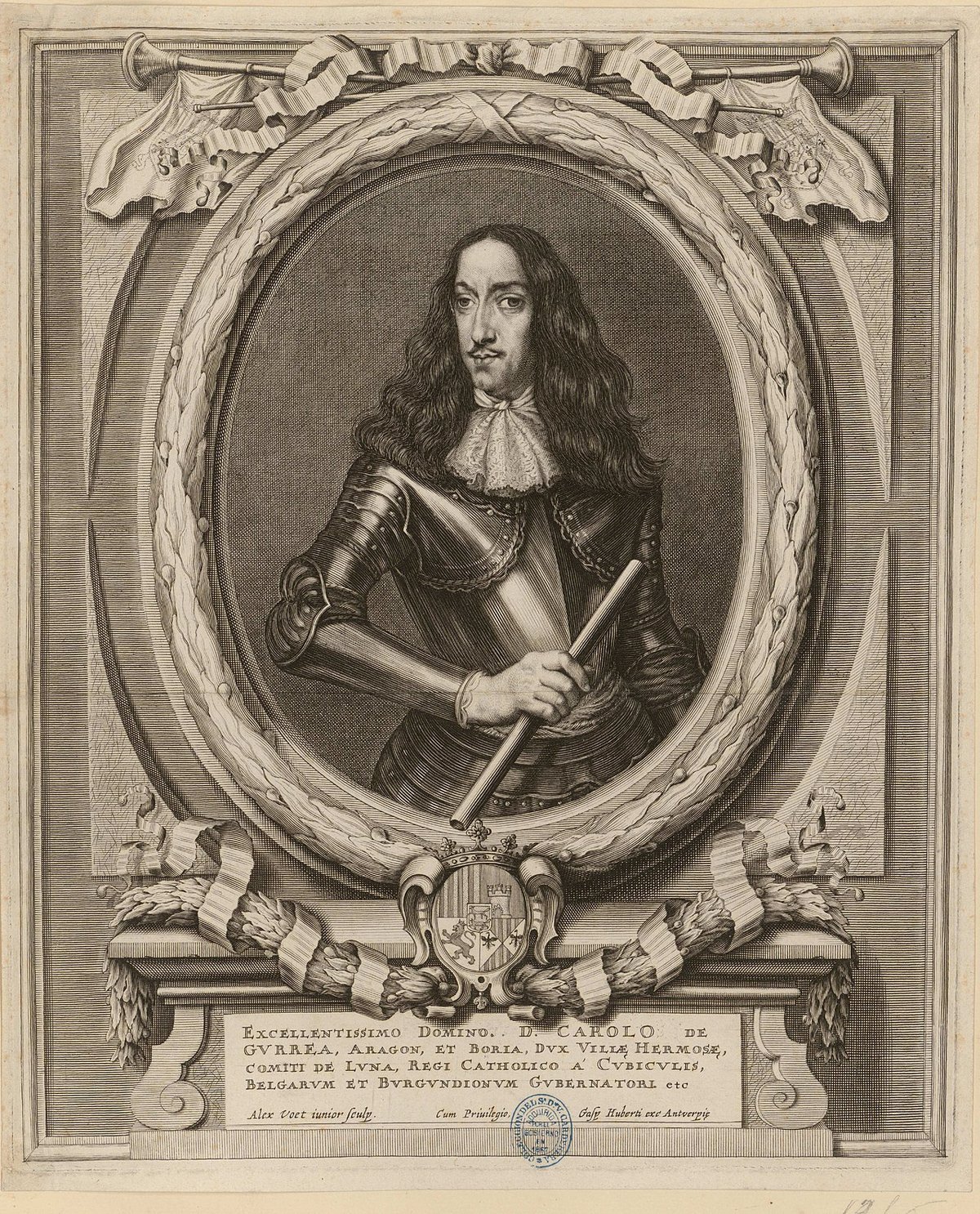
The Palacio Ducal dominates the Plaza Mayor with a presence that is hard to ignore. Built in red brick, it stands out through its large volumes and orderly windows, arranged with a symmetry that recalls Aragonese Renaissance architecture. For centuries it belonged to the house of the Dukes of Villahermosa, one of the most powerful families in early modern Aragon.
Inside, there is a porticoed courtyard with restrained columns, along with rooms that have traditionally housed important artistic collections. Over time, references have been made to paintings from European schools and works linked to notable artists, although the exact contents have shifted with restorations and relocations.
A literary story has circulated here for decades. It suggests that Cervantes passed through Pedrola on his way to Italy and that the village may have inspired the famous ínsula Barataria in Don Quijote. Historians do not agree on this point, yet the idea continues to appear in conversations and guided visits, hovering somewhere between local pride and speculation.
The palace can sometimes be visited, usually on specific days or through organised tours. It is worth checking in advance, as it is not always open and access changes depending on the time of year.
A short walk to the Ebro
The river lies just a few minutes on foot from the centre. Cross the last streets of the village and follow the agricultural tracks that lead towards the riverbank. The soundscape shifts once you get there. Traffic fades away, replaced by the slow movement of water and wind through the poplars.
The path used by many locals runs between small trees, reeds and patches of cultivated land. It is not a signposted route in the formal sense, more a track that has always been used. Follow the course of the river for about half an hour and the village slips out of view, leaving a landscape that becomes almost entirely agricultural.
Spring brings an intense smell from the irrigated fields, especially towards evening when the sprinklers start up. In the warmer months, insect repellent is a practical idea. Close to the water, mosquitoes are part of the setting.
Firelight and August celebrations
The night of San Juan is often spent near the river. Bonfires are lit, improvised grills appear, and the smoke from the wood mixes with the smell of fish cooked over the flames. It is not a tightly organised event, more a gathering of neighbours that stretches late into the night.
The main festivities arrive in August with the Virgen de los Ángeles. During those days, the rhythm of the village shifts. There are open-air dances that run into the early hours, a procession, groups filling the streets, and the metallic noise of the toro de fuego moving along the Calle Mayor. This traditional device, shaped like a bull and fitted with fireworks, is common in many Spanish festivals and brings both noise and movement into the centre. Anyone staying nearby would be wise to close the shutters properly, as rockets tend to go off while the village is still wide awake.
Timing a visit
Pedrola sits about thirty kilometres from Zaragoza and is quick to reach by car, following the road that heads north-west through the Ebro valley. There is also a bus connection, although services are limited, so it helps to check in advance when planning the day.
Spring is usually the most pleasant time to walk along the riverbank or explore the agricultural tracks. From July onwards, the valley heat becomes intense, and at midday the streets are often almost empty.
Winter brings the cierzo, a cold wind that moves through the streets that open towards the river. That same wind has one advantage: it clears the sky and sharpens the light. For a few extra minutes, the afternoon sun lingers on the brick of the palace. The village falls quiet again. Pedrola lowers its voice, just as it did at the start of the day.