Full Article
about Pinseque
Hide article Read full article
Driving from Zaragoza towards Logroño, you hit a stretch of road that feels like a straight line drawn by someone who was in a hurry. The Ebro is out there somewhere, beyond the poplars. Then you see the sign for Pinseque. It’s the kind of turn-off you only take if you’ve decided not to be in a hurry anymore.
The air smells like someone’s lunch
You notice it before you see much else. It’s not a generic “country air” smell. It’s specifically tomato, onion, and pepper frying in olive oil. The smell of pisto coming from a kitchen vent, or maybe drifting over from the vegetable plots that start right where the pavement ends.
There’s no buffer zone here. One minute you’re on a street, the next you’re looking at neat rows of crops. In summer, you see people moving through them with hoses at dawn or late afternoon, avoiding the midday sun. It looks like hard work. The kind that makes you appreciate the price of a pepper at the market.
A church that just is
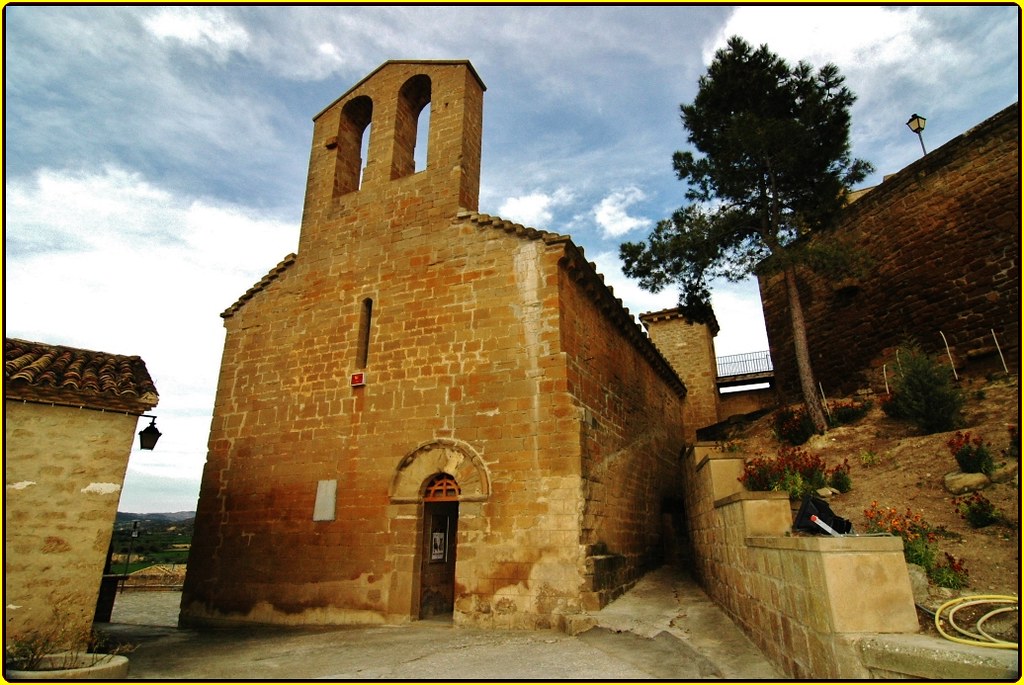
The Plaza de la Constitución feels like the village’s living room, and the church of San Pedro Apóstol is the piece of furniture that’s always been there. Built from brick over a couple of centuries, it has that no-nonsense Aragonese look. It’s not trying to impress you.
Inside, it’s quiet and unpretentious. You get the sense it’s used for regular things, not just postcard moments. The bell tower is useful; if you wander down any side street and lose your sense of direction, you just look up for it. It gets you back on track.
The migas rule
Mention Pinseque to anyone from around here, and they’ll talk about migas. Not as a tourist attraction, but as a fact of life. We’re talking about fried breadcrumbs with garlic, oil, and chunks of longaniza. Sometimes grapes on the side.
The trick, they say, is using bread that’s past its prime for sandwiches but not yet rock-hard. It sounds simple enough to be suspicious. Making it properly, so it’s crispy but not burnt and greasy but not soggy, is where the skill comes in. You can find it here on days when it feels right to make it—often when the weather turns cooler.
So what's the point of stopping?
Let's be clear: Pinseque isn't a hidden gem waiting to be discovered. It's a working village next to a motorway.
Its appeal is in its lack of performance. The fields are for growing food. The plaza is for meeting people you know. The rhythm is its own, even with Zaragoza so close.
My advice? Don't make a day of it. Park near the plaza. Walk around for forty minutes. Peek into the church if it's open. Watch how the houses give way to soil. Then have some migas if they're serving them. That's it. You'll leave with a clearer picture of this part of Aragón than any brochure could give you. Pinseque doesn't offer an experience. It just exists. And sometimes, that's exactly what you need to see