Full Article
about Gelsa
Hide article Read full article
A village shaped by the river
Tourism in Gelsa begins with the Ebro. The village stands on its left bank, in the Ribera Baja del Ebro area within the province of Zaragoza. The low altitude defines the landscape straight away: market gardens, cereal plots and an open plain where the river has set the pace of local life for centuries. This is not a place reshaped for visitors. It remains, above all, an agricultural village.
Gelsa has long depended on land and water. Its proximity to Zaragoza, about 45 kilometres by road, means daily journeys are common, yet the municipality keeps its own rhythm. The Ebro has been a route, a source of irrigation and a natural boundary. That relationship with the river still explains the surroundings of the urban area better than anything else.
The church and the shape of the town
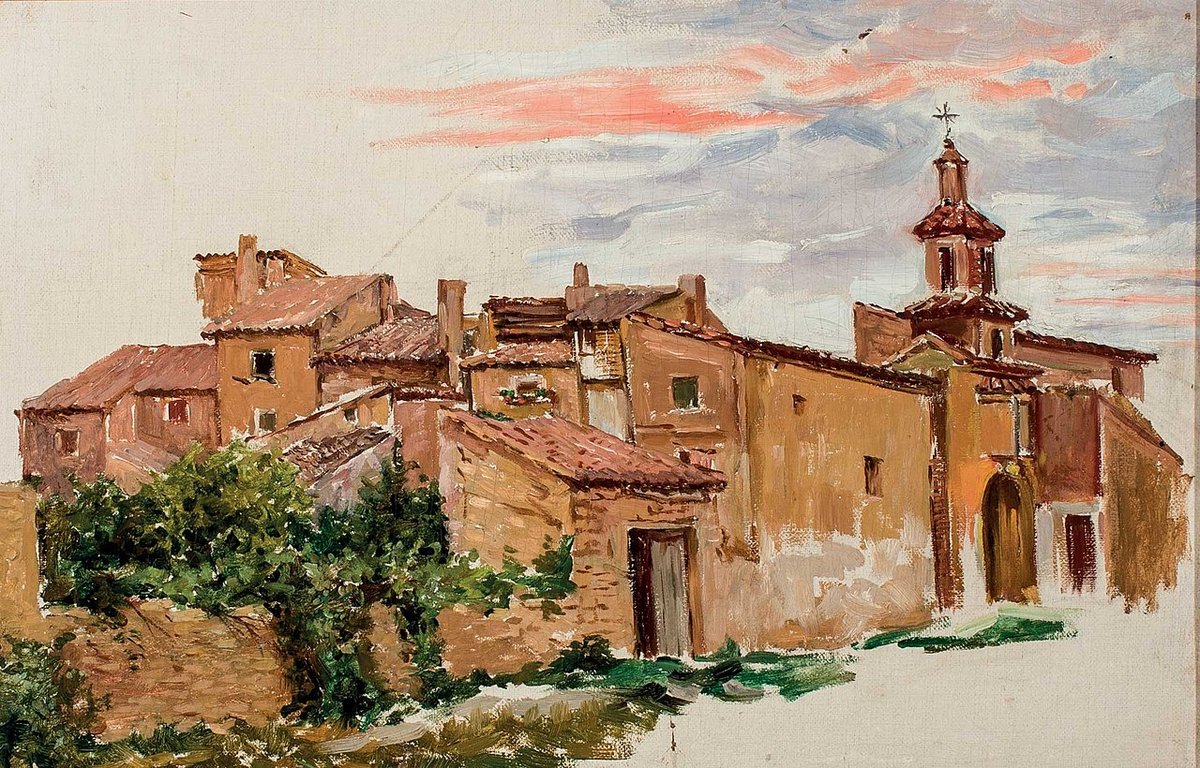
The centre of Gelsa is organised around the parish church of San Pedro. The current building dates from the 16th century, with later alterations. Brick dominates, a typical material in this part of Aragón, combined with stone in structural sections. The bell tower is visible from several points across the area and works as a clear reference when moving through the streets.
The church matters less for its size than for its role. For centuries it has been the place where community life gathered, from religious celebrations to meetings and the annual festive calendar.
The surrounding streets follow an irregular layout. They are not the result of modern urban planning but of gradual expansion over time. Many houses combine adobe and brick, with small openings designed to keep out the heat. Some façades still show iron grilles and simple wooden balconies. These are not decorative features intended to stand out; they belong to a domestic architecture that is still in use.
The main square brings together administrative buildings and several spaces where residents meet. From here, streets lead down towards the irrigated fields or out towards agricultural tracks.
Along the river plain
Around Gelsa stretches the characteristic agricultural landscape of the middle Ebro valley. Large cereal fields, mainly wheat and barley, sit alongside vegetable plots and some fruit trees. The appearance shifts with the seasons. In winter the plain looks almost bare, while spring brings green fields and almond trees marking the edges of certain plots.
The river runs close to the village and still has stretches of riverside vegetation: poplars, reeds and shrubs adapted to periodic flooding. These areas often attract birdlife linked to water, although there are no dedicated observation facilities. It is worth keeping in mind that many of the areas near the river are part of working farmland.
Tracks leading out from the town follow old working routes. These are compacted earth paths connecting with other villages in the area and with different cultivated zones. Walking or cycling along them helps to grasp the real scale of the territory: long plots, irrigation channels and agricultural machinery moving between fields.
Moving through the landscape
The most common activities around Gelsa are straightforward. Rural tracks allow easy routes across the fertile plain. In summer the heat is intense and shade is scarce, something to consider before setting out.
Cycling is widely practised along these same paths. The terrain is mostly flat, making longer rides between riverside villages manageable.
The Ebro also draws local anglers. Species such as barbel and carp are traditionally sought in this stretch of the river. Anyone planning to fish needs to check current licences and regulations in advance.
Festivals and everyday life
The festive calendar follows patterns typical of many villages in the Ebro valley. Summer brings the main celebrations, combining religious events, activities organised by local social groups known as peñas, and music in the square. Participation is usually high and shapes the atmosphere of those days.
Processions carrying the image of the patron saint move through the main streets. These are celebrations that maintain forms passed down through generations and still hold a real place in the life of the municipality.
Food shared at gatherings and communal meals reflects the surrounding land. Vegetables from the market gardens, cured meats and simple preparations based on local produce are common. The connection between what is grown nearby and what appears on the table remains direct.
Getting there and getting around
Gelsa lies around 45 kilometres from Zaragoza. The most common approach is via the A‑2 and regional roads that lead into the village.
The urban area is easy to explore on foot. To understand the place more fully, it helps to leave the centre afterwards and follow one of the tracks towards the fertile plain, then continue to the Ebro. That is where the way of life that has shaped Gelsa over generations becomes clearest.