Full Article
about Quinto
Hide article Read full article
Parking and First Impressions
Park in the square by the Town Hall if you find a space. On weekends, it fills up. There are no big car parks. Take what you can get and walk.
Quinto is 35 kilometres from Zaragoza. The drive is simple. Most people come for a couple of hours, not a full day. You don't need more time unless you plan to walk by the river.
The streets are short and quiet. You can see the whole centre in fifteen minutes without trying.
The Old Quarter
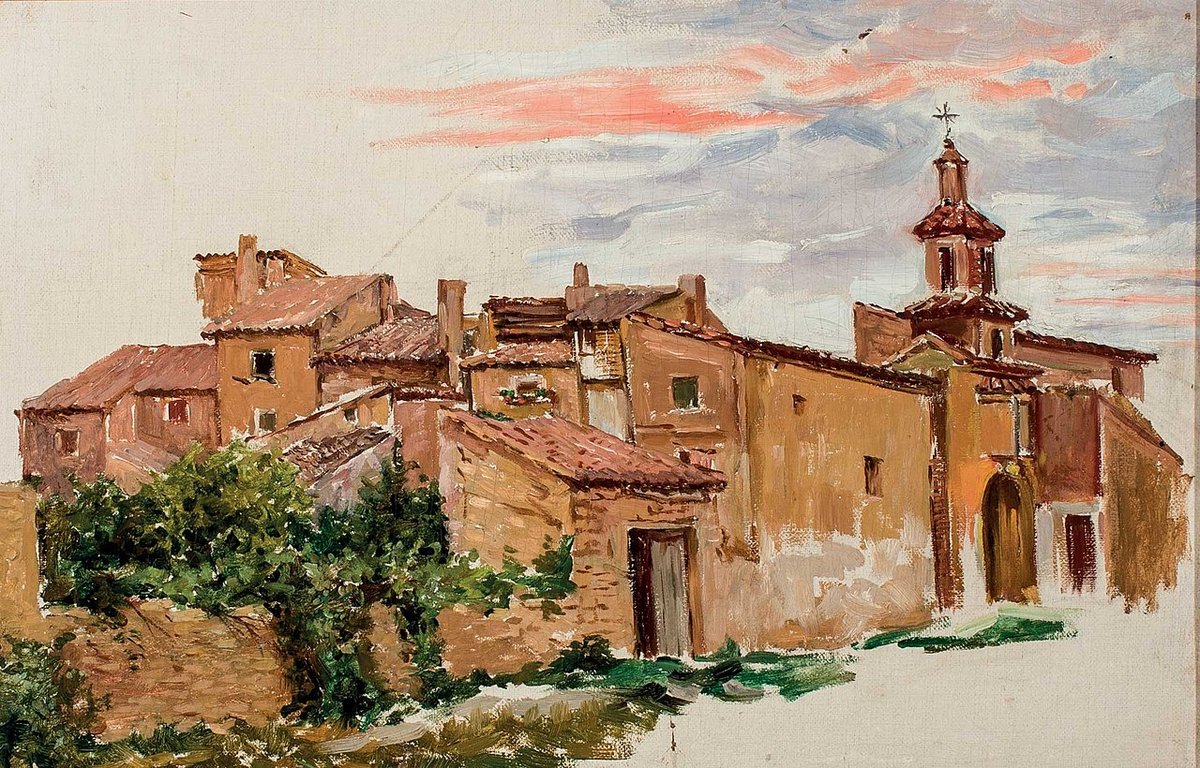
The old quarter looks like other villages here. Brick and adobe houses, worn stone doorways, narrow streets. It's functional.
This part of town wasn't built for tourists. It shows daily use. You won't find major landmarks or curated displays. You see how people live.
Doors open onto quiet lanes. The scale is modest. Walking here is about observation, not sightseeing.
Church Tower
The tower of the church of Nuestra Señora de la Asunción is the tallest thing in Quinto. You see it from several points. It's Mudéjar brickwork, restrained.
It doesn't dominate, but it's always there. The style is typical for the region.
Inside are Baroque altarpieces. If religious art interests you, go in. Otherwise, seeing the tower from outside is enough.
The River Path
The Ebro runs close by. There's no promenade, just dirt tracks used by locals and farmers.
Poplar groves give some summer shade. Early morning or evening sometimes brings herons to the wetlands nearby.
After rain, these paths turn muddy and unpleasant. This stretch of river isn't for visitors; it's a working space for farming and local use.
Local Life and Food
Fields surround Quinto divided by irrigation channels colours change with the seasons green in spring dry in summer
They grow artichokes tomatoes peppers Work is still done partly by hand tractors are common
Local food reflects this straightforward vegetable-based stews everyday cooking not adapted for outsiders
Visiting Quinto
Come early keep expectations low Walk the centre then head toward the river to see how an agricultural village on the Ebro works That’s Quinto