Full Article
about Orihuela del Tremedal
Hide article Read full article
A mountain village shaped by altitude
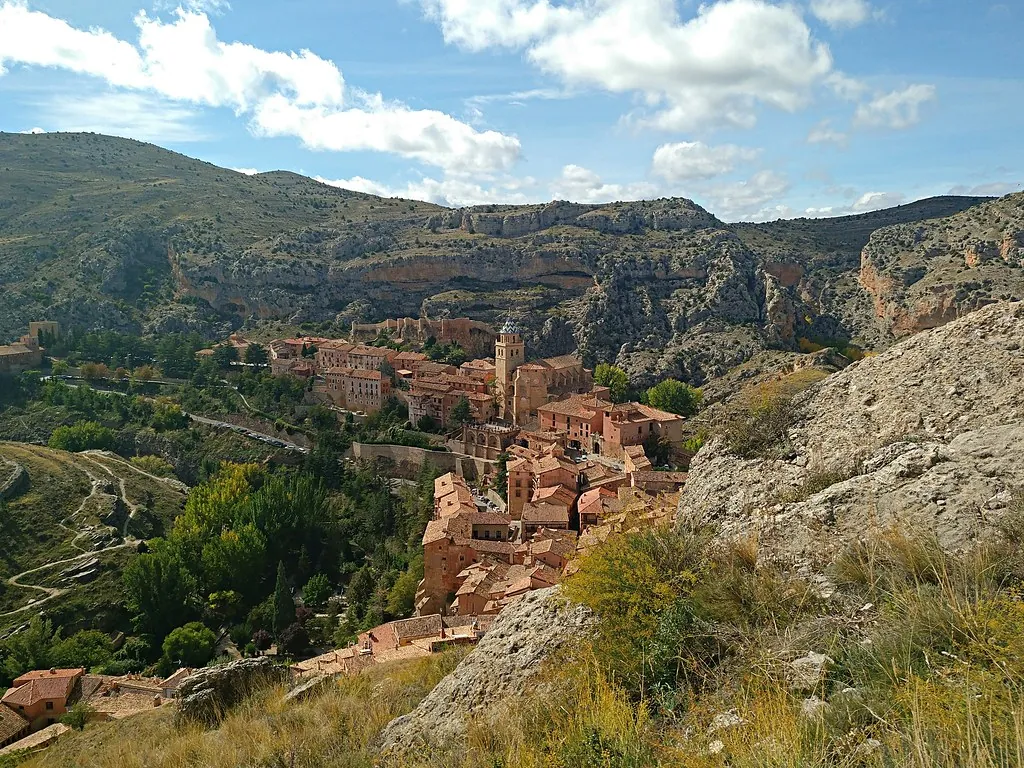
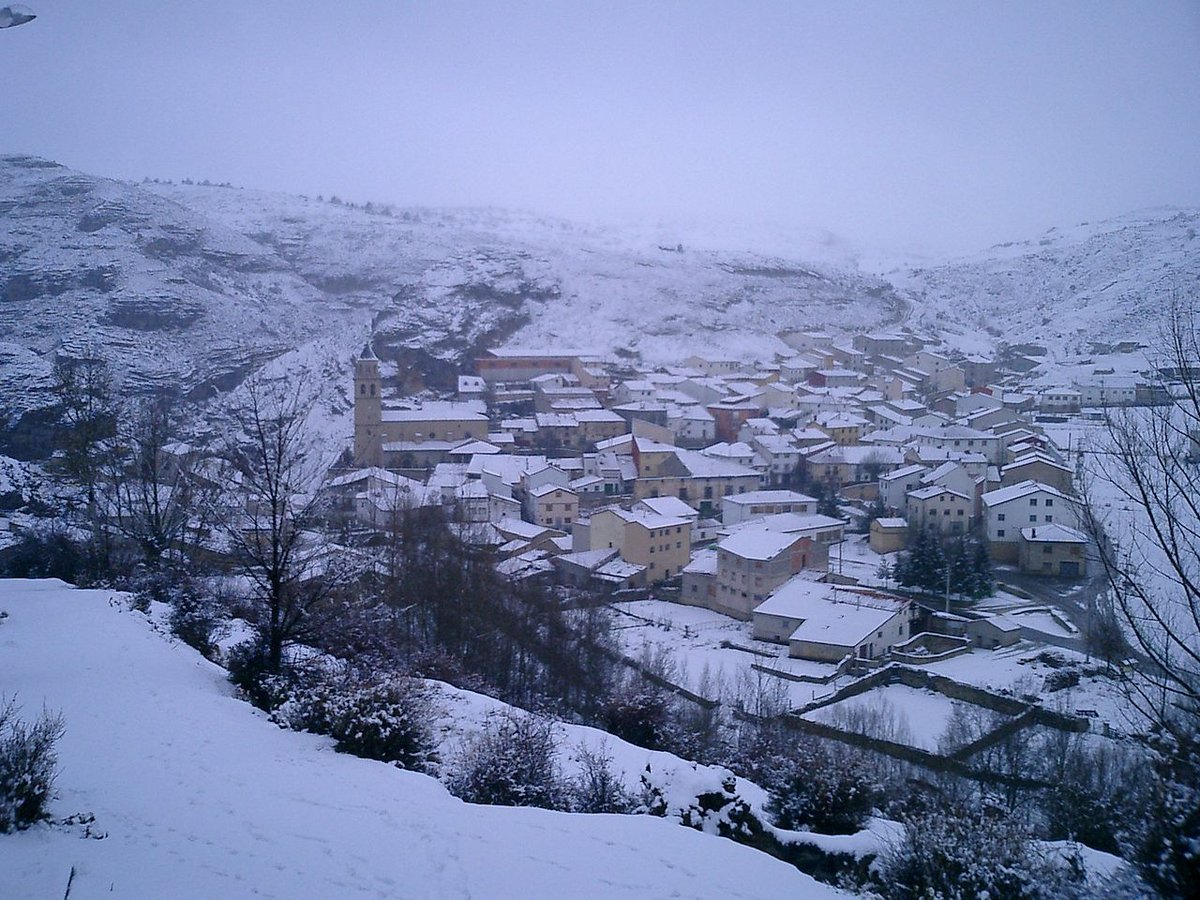
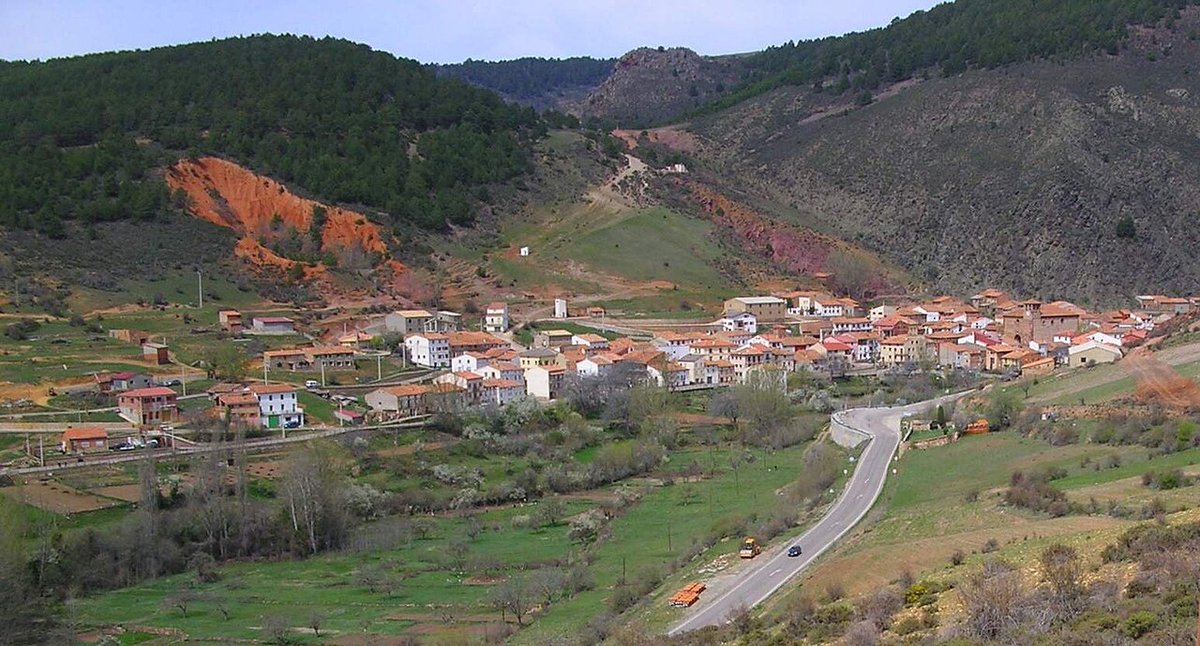
Tourism in Orihuela del Tremedal begins with its setting. The village sits at 1,447 metres above sea level, high in the Sierra de Albarracín, surrounded by extensive pine forests and mountain wetlands that have influenced daily life for centuries. With just over 450 residents, it remains one of those upland settlements where the landscape is not a backdrop but a determining force, shaping the climate, the local economy and even how homes were built.
Orihuela developed through its relationship with the surrounding land. Timber, livestock and some high-altitude farming sustained the community, alongside its role within a wider network of villages across the sierra. The layout of the village reflects this. Streets rise and fall with the slope, and stone houses were designed to cope with long winters.
There is little in the way of large-scale tourism infrastructure. What exists is a functioning mountain village, where the natural environment is never far away and can be reached on foot within minutes.
San Millán and the shape of the village
The main reference point in Orihuela del Tremedal is the parish church of San Millán. The current building dates from the 16th century, later modified in the way many churches in the sierra were. Its importance lies less in its size than in how it anchors the village. Streets in the centre tend to lead towards it in one way or another.
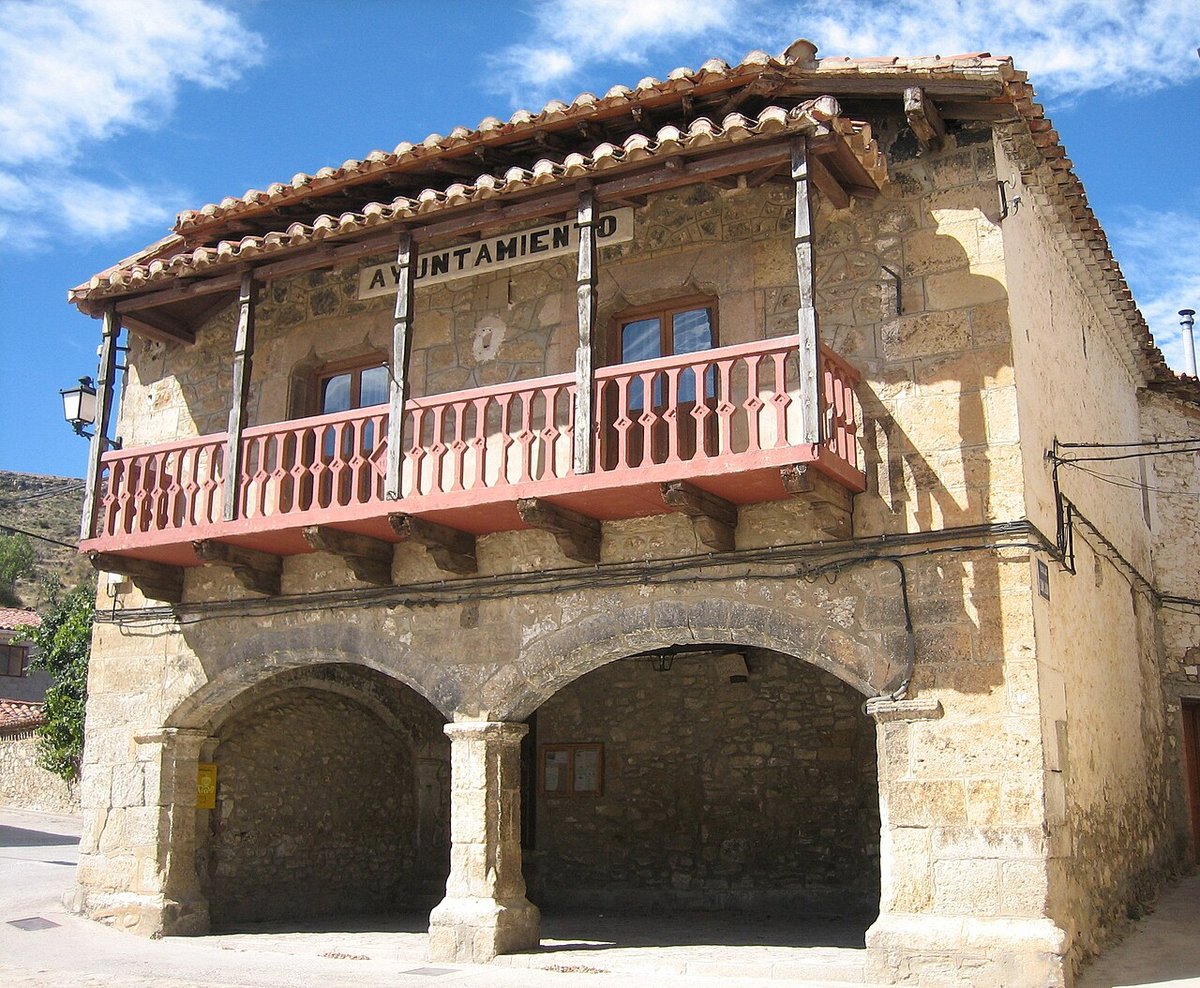
Walking through the old quarter reveals solid masonry houses, generally simple in appearance. Sloping roofs and extended eaves reflect the need to deal with snow. Many buildings retain wooden balconies or large doorways, a reminder that ground floors once served practical purposes such as storing animals, firewood or tools.
This is not a monumental historic centre in the conventional sense, yet it holds together as a coherent whole. The architecture matches both the landscape and the economic life that sustained the village over generations.
Pine forests and the tremedales
The most distinctive feature of Orihuela’s surroundings lies beyond the village itself. The name Orihuela del Tremedal refers to the tremedales, areas of peat bog or waterlogged soil that form in certain mountain conditions. These ecosystems are relatively rare on the Iberian Peninsula and have been protected in various parts of the sierra.
Alongside these wetlands are large expanses of Scots pine forest, covering much of the municipal area. From the village, forest tracks and footpaths lead directly into these woods without the need for long journeys by car.
The landscape shifts noticeably with the seasons. In autumn, the forests attract people searching for mushrooms. Winter often brings snow. Summer, thanks to the altitude, tends to be milder than in lower areas.
Walking routes and views across the sierra
The surroundings of Orihuela del Tremedal are better suited to steady walks than highly technical routes. Wide forest tracks and marked paths run through the pinewoods and connect with other parts of the Sierra de Albarracín.
Some of these routes reach natural viewpoints. From these spots, the scale of the landscape becomes clearer: wooded hills, gentle ravines and, on clear days, other villages scattered across the sierra in the distance.
Mountain biking is also common along these tracks, particularly outside the colder months when conditions are more manageable.
Food shaped by the climate
Local cooking follows the pattern found across much of inland Aragón. Dishes are filling and designed for cold weather and long working days.
Migas, meat stews and pork-based products appear frequently. Game is also common during the appropriate season. There is not a wide range of places to eat, which is to be expected in a small village, but what is prepared reflects long-standing mountain traditions.
Festivities and the rhythm of the year
The main celebrations are usually concentrated in summer, when the population temporarily increases as people return for holidays. Festivities dedicated to San Millán combine religious events with open-air dances and community gatherings, a pattern typical of the region.
The area’s connection to livestock farming and historic transhumance routes forms part of its background. In nearby villages, activities linked to this tradition take place, recalling the seasonal movement of herds that once played a central role across the sierra.
Winter brings a different pace. There are fewer people on the streets, and daily life becomes more inward-looking, shaped by the cold.
Getting there and seasonal considerations
Orihuela del Tremedal lies around 45 minutes by car from the city of Teruel. The road passes through mountainous terrain and requires careful driving, especially on the final stretches within the sierra.
From late spring to early autumn, access is generally easier and paths are in better condition for walking. In winter, the altitude becomes a factor. Snow and ice can appear, so it is sensible to check conditions before travelling and ensure the vehicle is properly prepared.