Full Article
about Ródenas
Hide article Read full article
A village where time slows down
Some places appear almost by accident. A small detour to stretch your legs can turn into an unexpected stop, and that is very much the case with Ródenas, in the Sierra de Albarracín. The village sits at over 1,300 metres above sea level, and the first thing that stands out when you step out of the car is the quiet. It is not the hush of a library, but the kind found in small villages where little seems to happen at any given moment.
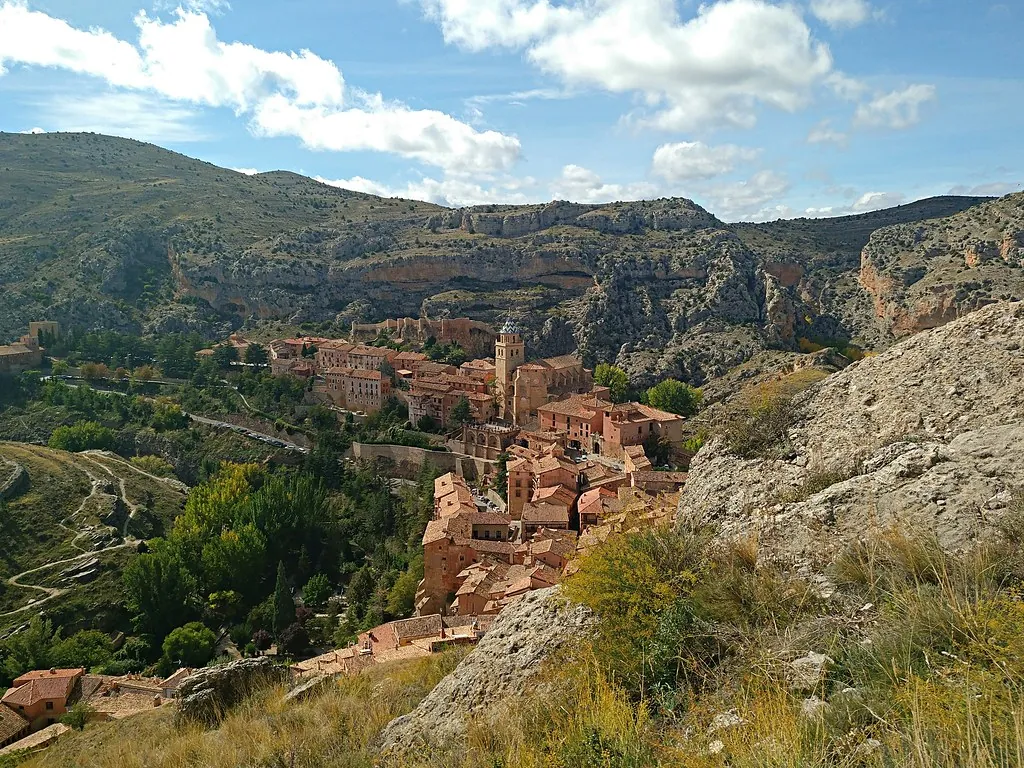
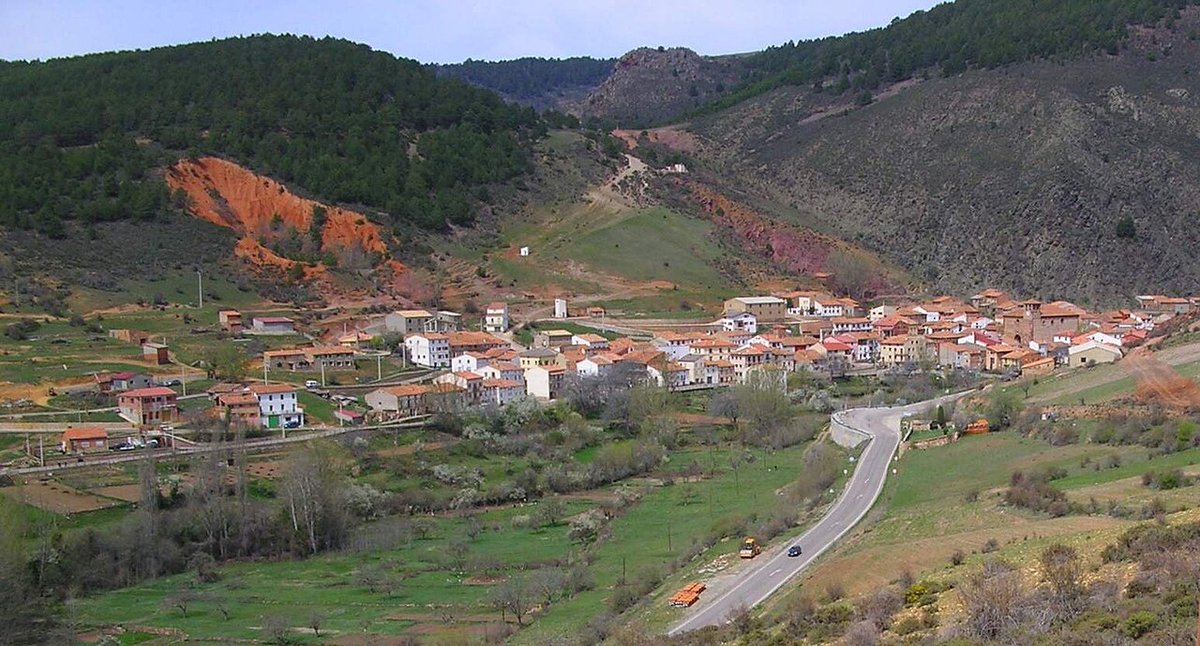
Ródenas has around fifty residents and moves at its own pace. Stone houses line short streets, and the reddish tones of sandstone show up everywhere, in walls, in rocky outcrops, and across the surrounding landscape. The overall impression is simple: time passes more slowly here. Sitting for a while in the village square makes that clear without much effort.
Built in red stone
Life in Ródenas centres on the parish church of the Natividad de Nuestra Señora. The current building is usually dated to the 16th century, although it has undergone later alterations. Its exterior feels restrained, with solid stone walls and a compact shape. The tower looks built to withstand harsh winters rather than to impress.
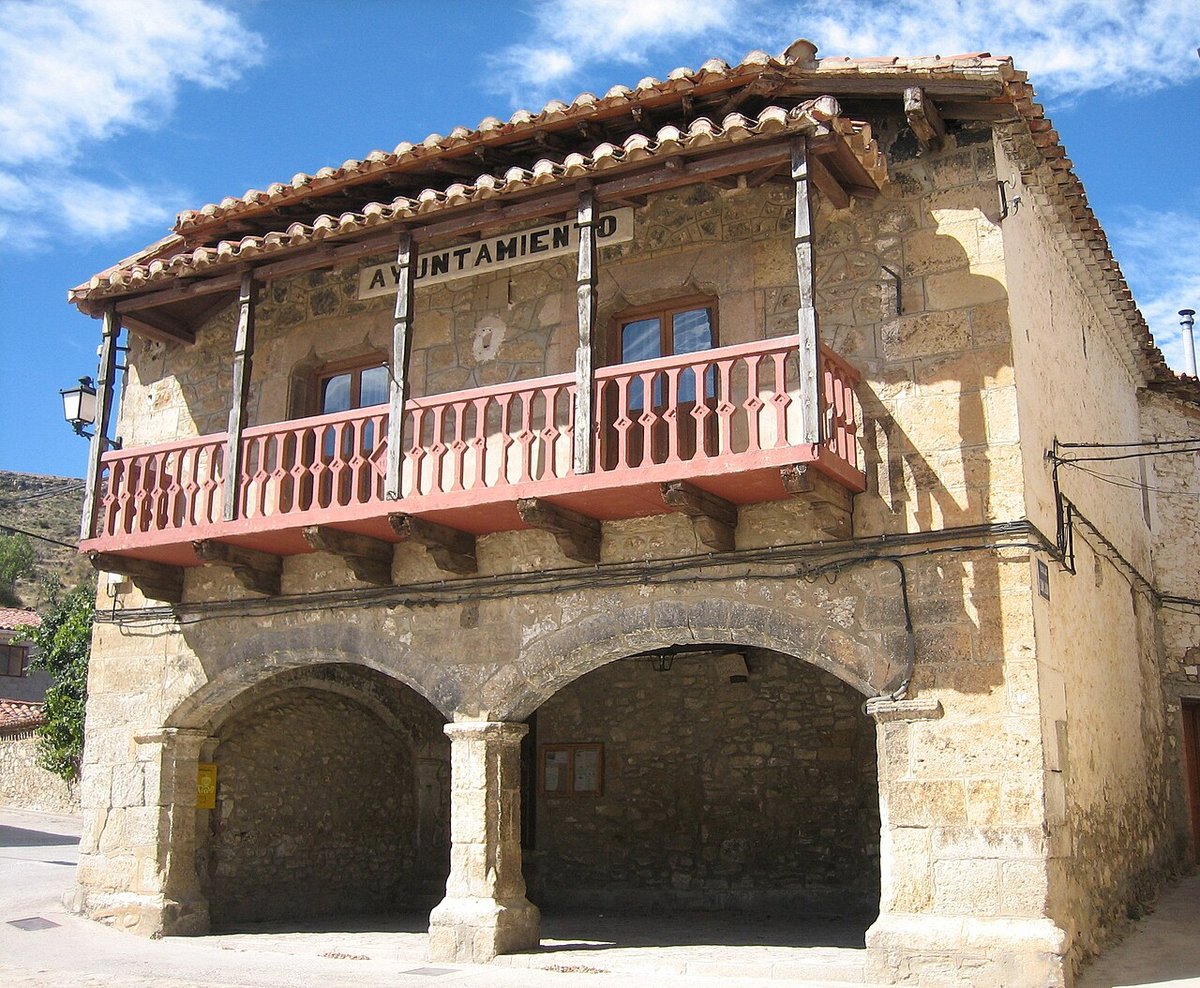
The rest of the village follows the same approach. Local stone, timber, and practical construction define the houses. There is little in the way of decorative ambition. Instead, everything reflects a way of building suited to a place where winters can be severe and materials came from the immediate surroundings. Some façades still feature stone benches, known locally as poyos, or sturdy doorways that have stood for decades.
The red sandstone remains a constant presence. It forms the rocky landscape around the village, so Ródenas seems to rise directly out of the ground beneath it.
The landscape of red rock
The setting is one of the first things that draws attention on arrival. The area is full of reddish sandstone formations that rise among pine forests. Some resemble natural walls, while others take on unusual shapes, as if large blocks had been stacked by hand.
Several paths begin near the village and lead towards these formations. Long hikes are not necessary. A short walk along trails that leave from the village itself is often enough to reach rocky ridges that stand out among the trees.
Clear days bring a strong contrast of colours. Green pine, red rock, and open sky create a landscape that can feel unexpected, especially for those who only know Albarracín town and its surroundings.
Walking the Sierra de Albarracín
Ródenas works well as a starting point for exploring the wider area on foot. Marked trails and forest tracks connect with other villages in the sierra, such as Terriente and Tramacastilla. Many routes are simply paths through pine woods where it is easy to spend hours without encountering anyone else.
Autumn draws visitors interested in wild mushrooms. Níscalos, setas de cardo, and other varieties typical of these pine forests often appear at that time of year. As in much of the sierra, it is advisable to check local rules before collecting them.
Light also attracts attention here. Early morning and late afternoon bring noticeable changes in the colour of the red rock, shifting towards orange or golden tones. Photographers often wait for these moments at natural viewpoints near the village.
Traditions that still bring people together
The main celebrations take place around 8 September, with religious events dedicated to the Natividad. During these days, the village feels different as families return to their roots here.
Summer also brings small gatherings and simple activities in the square. It is the time of year when villages like Ródenas regain a bit of movement and noise.
Another tradition that continues is San Antón. Winter bonfires mark the occasion, bringing neighbours together around the fire once night falls and the cold sets in.
The road to Ródenas
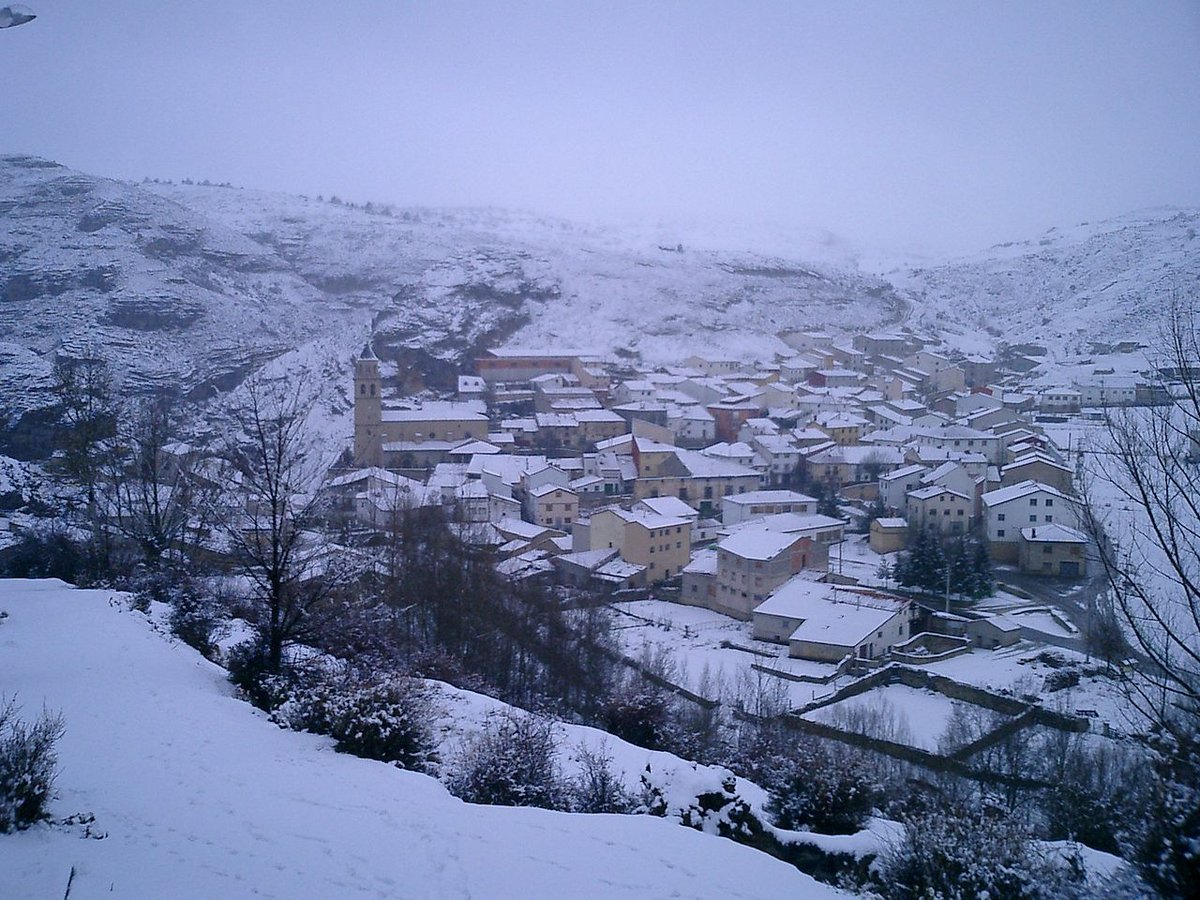
The usual route from Teruel heads towards Albarracín along the A-1512. From the sierra area, a turn onto smaller roads leads to Ródenas. These stretches are generally quiet, though winter conditions can affect them. Snow and ice are common at this altitude, so checking the road beforehand is a sensible step.
The journey itself forms part of the experience. Pine forests line the way, the road curves gently, and from time to time red rock faces appear, signalling that the destination is close.
Ródenas is not a place designed for a packed schedule. It suits a slower visit: a walk through the streets, some time spent looking at the landscape, and a pause in the square. The appeal lies in that calm rhythm. Sometimes that is more than enough.