Full Article
about Terriente
Hide article Read full article
Before the sun fully rises, Terriente sounds like footsteps on gravel and the slow opening of a door. Even in summer, the air is cool. In this corner of the Sierra de Albarracín, tourism in Terriente often begins like this: the village half asleep, chimneys still carrying the scent of firewood, and a clear sky that feels unusually high. At 1,443 metres, the light is sharp, and the wind turns cold once evening arrives.
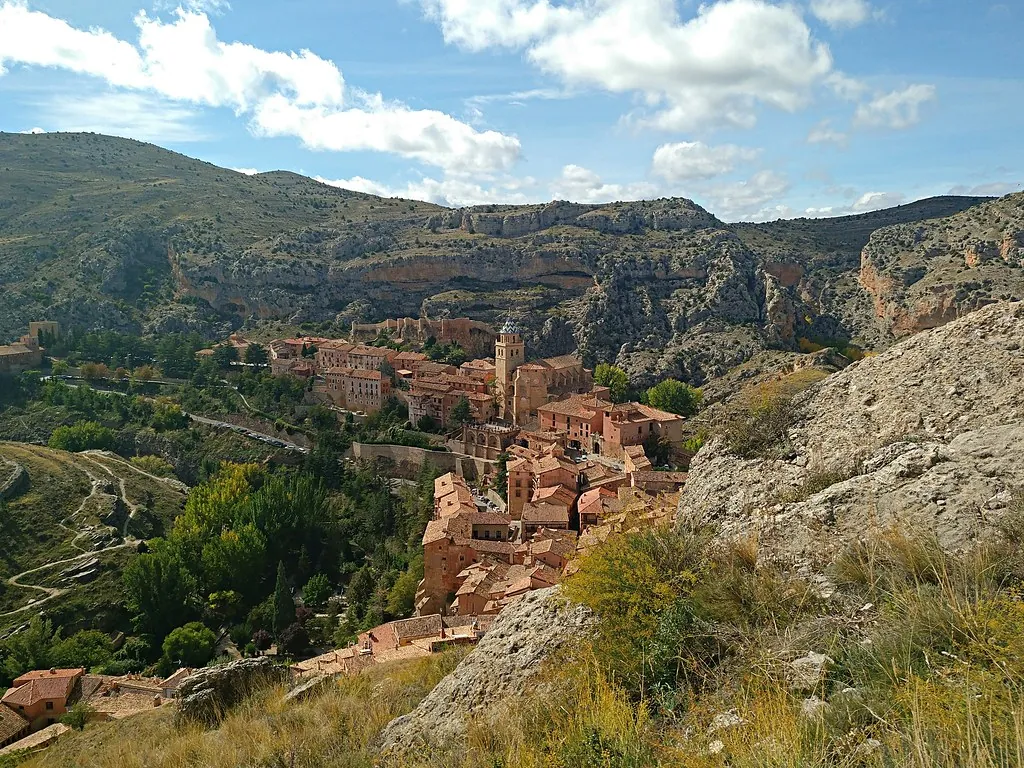
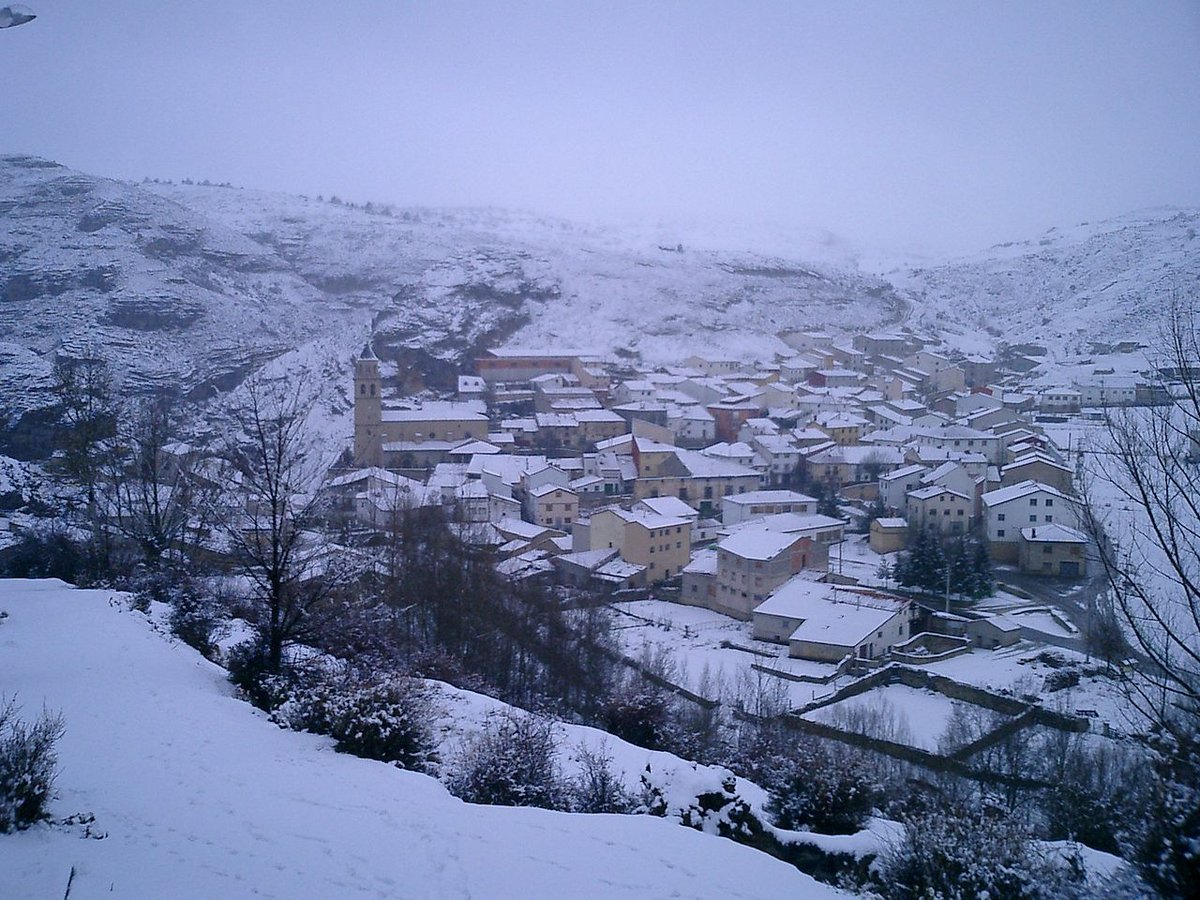
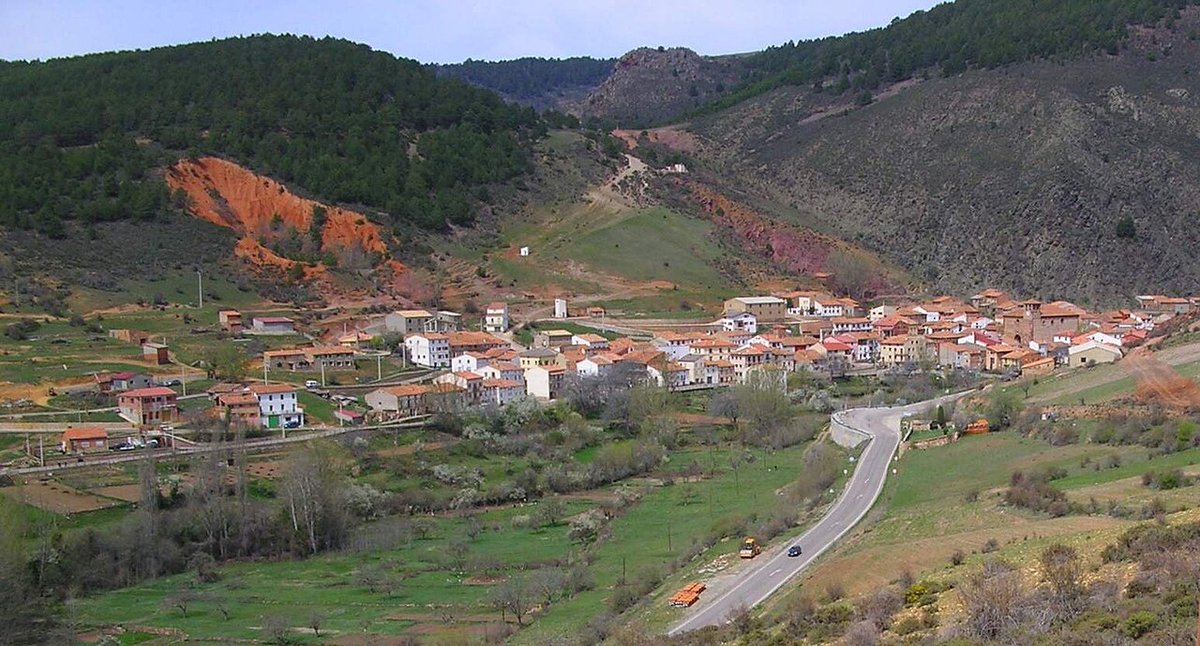
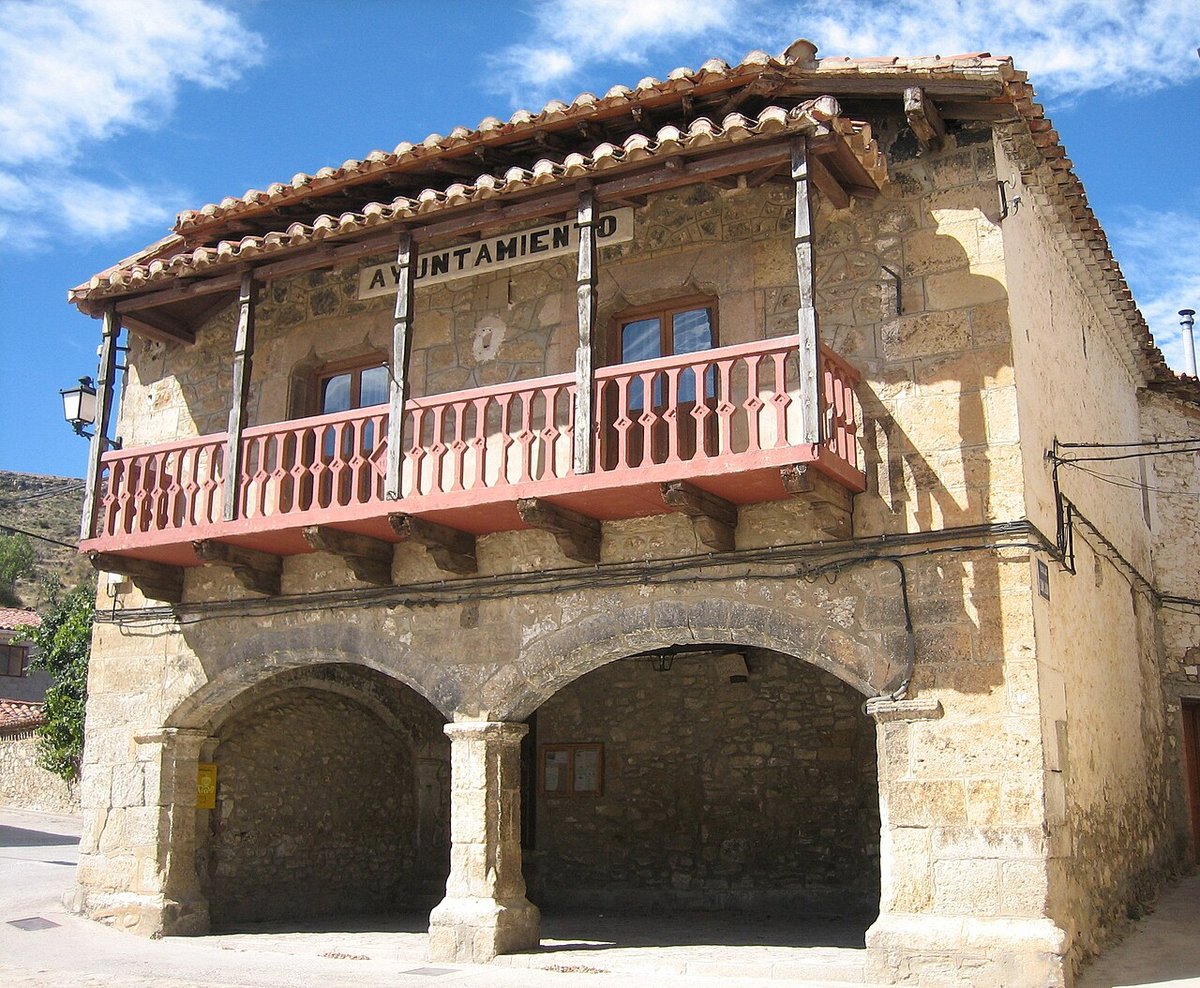
The houses gather without much order, built from dark stone with reddish roofs. Windows are small, walls thick, something that matters in winter. The church of San Bartolomé rises above the rest of the village and works as a point of reference when wandering through its short, slightly irregular streets. Its bell tower is square and plain, visible from almost any approach.
The pace of the streets
Walking through Terriente does not take long, but it rewards a slower pace. The main square is open and simple, with benches and a few stone façades that still hold old iron grilles. At certain times of day, there are more birds than cars.
For years, this square was a place for trade and conversation. Something of that atmosphere returns in summer, when families who live elsewhere come back. Children take over the space, and conversations stretch into the night.
From the edge of the village, the landscape shifts quickly. The ground opens out into dense pine forests and pale rocky hills. There are no large facilities or prepared viewpoints. Sometimes a small rise by the side of the path is enough to take in the whole valley and the rock formations that shape the area, such as Peña del Mazo or La Muela.
Walking through pine forests
Much of what happens here is simply walking. Paths leave from the square and connect with forest trails and dirt tracks. They cross Scots pine woods and open stretches where the wind is more noticeable.
These are not technical routes. Many locals use them for a stroll or to reach former fields. Even so, it is sensible to carry water and something warm, even in summer. Once the sun drops behind the pines, the temperature falls quickly.
In autumn, the ground is covered with pine needles and dry leaves. They crunch underfoot, and the scent of resin becomes stronger.
Mushroom season
When the first autumn rains arrive, the pine forests around Terriente take on a different rhythm. Cars appear parked along the tracks, and people walk slowly with baskets, eyes fixed on the ground.
Saffron milk caps are among the most sought after, along with certain varieties of boletus. In many parts of the sierra, collecting is regulated. Permits may be required, and limits can apply. It is worth checking the rules beforehand and, above all, being certain about the species. Here, no one treats what they gather lightly.
Even without collecting anything, walking through the forest at this time of year has its own appeal. The damp ground, the smell of turned earth, and a silence broken only by the movement of branches.
Food shaped by the climate
The local cooking reflects the conditions. Dishes are substantial, suited to long days and the serious cold of winter. Sausages from the traditional pig slaughter, known in Spain as the matanza, are common, along with meat stews and hot soups when the wind picks up.
If it has been a good year for mushrooms, they find their way into many meals. There is also honey from the area, usually collected from hives scattered across the nearby hills. The approach is straightforward, focused on what is close at hand rather than anything elaborate.
When the village fills again
In August, Terriente changes. For a few days, the population multiplies and the streets fill with noise. These are the local fiestas linked to the patron saint, combining religious events with activities organised by residents.
There are no large-scale productions. The appeal lies in reunion: families returning each summer, groups of friends meeting again in the square, music continuing into the early hours.
For the rest of the year, the atmosphere is much quieter. In winter, some streets can go hours without anyone passing through.
Getting there and choosing the moment
The road to Terriente crosses much of the Sierra de Albarracín. From Teruel, the usual route passes through Albarracín before continuing along regional roads that wind between pine forests and reddish rocky slopes. The journey calls for patience, especially in winter or in fog.
Between spring and autumn, the weather is generally more forgiving for walking. July and August bring more activity to the village. In winter, the sierra can turn harsh, with intense cold, occasional snowfall, and long stretches of silence.
In return, on clear mornings when frost still covers the rooftops, the village seems suspended in a very white light. It is a brief moment, but anyone up early in Terriente recognises it straight away.