Full Article
about Bielsa
Hide article Read full article
Where the valley opens
Bielsa appears at the end of the road. The route follows the River Cinca and then, quite suddenly, the space widens. This is where the Pineta Valley begins, and it is also one of the natural gateways to the Ordesa y Monte Perdido National Park. The village sits at around 1,020 metres above sea level and has a population of roughly five hundred.
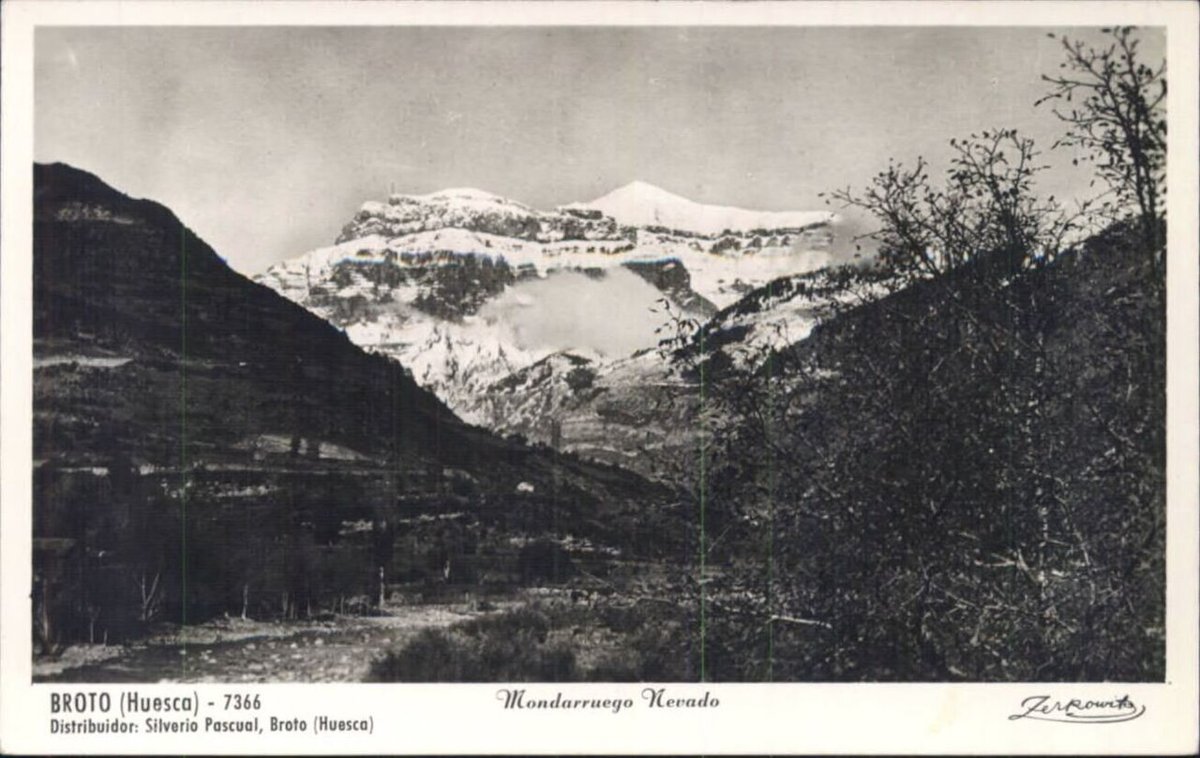
The landscape sets the tone for everything that happens here. Pineta is a broad glacial valley, enclosed by steep rock walls. At its far end rise peaks that mark the border with France, including Monte Perdido at 3,355 metres and the Cilindro de Marboré at 3,328 metres. The sheer scale of these surroundings shapes daily life and the way the village has developed.
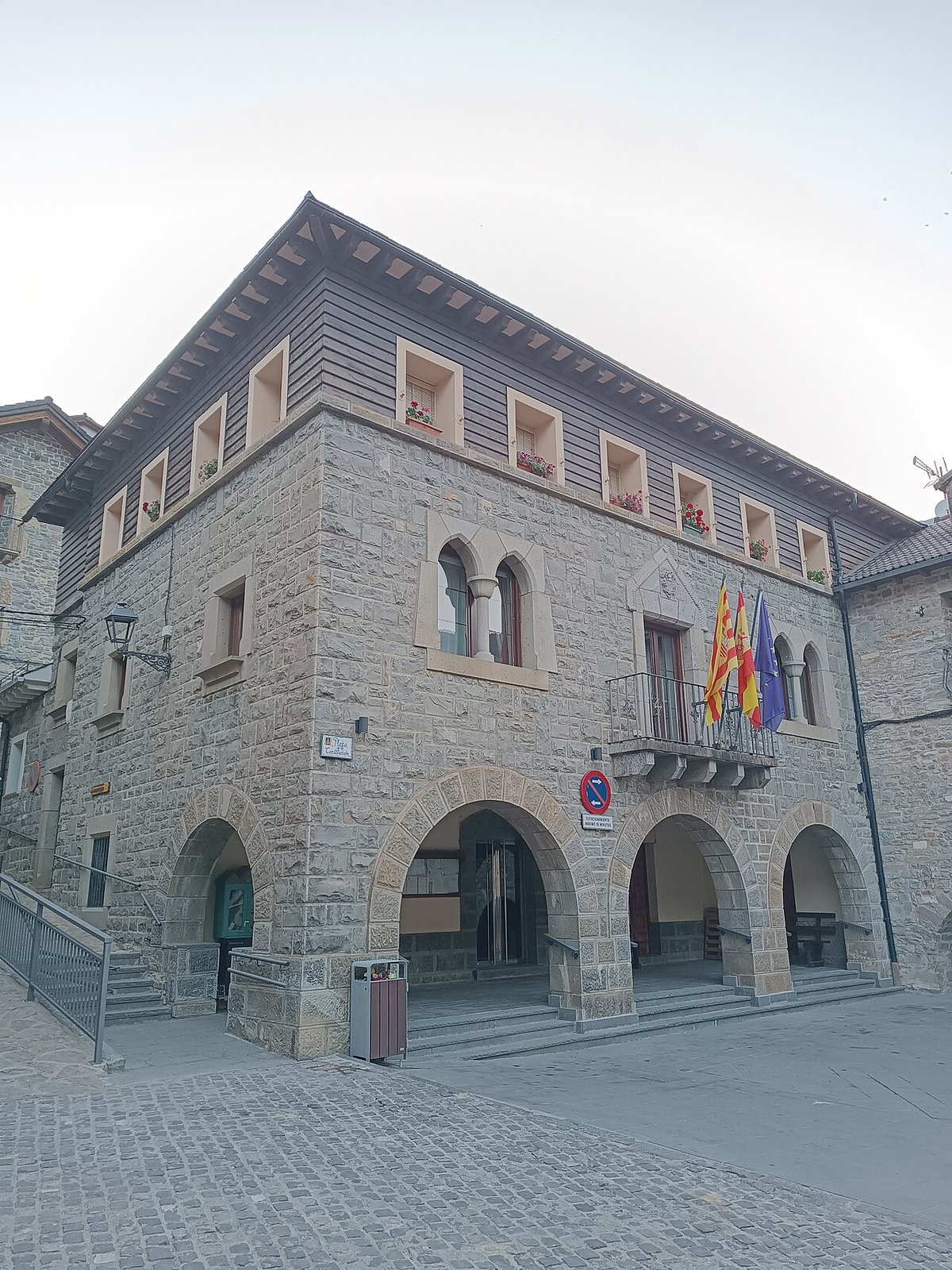
Bielsa retains clear features of Pyrenean architecture. Stone houses, slate roofs and thick walls define the streetscape. These are not decorative choices but practical responses to long winters and heavy snowfall. Some homes still have wooden balconies positioned to catch the sun.
The centre is compact and easy to walk around. From several streets, the slopes enclosing the valley are always in view. On clear days, the sense of isolation is unmistakable. This is not a place for rushing through. The mountains are a constant presence.
Traces of the past in a small centre
The old quarter is modest in size yet well preserved. Sections of cobbled street remain, and some buildings still reflect their dual role as both homes and workspaces. The parish church is dedicated to San Pedro. Its origins date back to the 16th century, with later alterations. The building is restrained in style, in keeping with a mountain setting.
Bielsa is also home to an ethnological museum. Inside, there are agricultural tools, everyday household items and old photographs. Together, they offer a clear picture of how life was organised before modern roads reached the valley. Livestock, small vegetable plots and the use of forest resources formed the backbone of the local economy.
A few kilometres from the village, the Pineta Valley itself begins in earnest. It stands as one of the clearest examples of a glacial landscape in the Aragonese Pyrenees. The cirque that closes the valley shows the imprint of ice with particular clarity. High rock faces and waterfalls drop from considerable heights, reinforcing the sense of scale.
A road runs along the valley floor, gradually climbing. At certain points there are places to stop and take in the glacial cirque at a slower pace. From these spots, the proportions of the landscape become easier to grasp.
Among the waterfalls in the area, La Larri is often mentioned. It lies in the upper part of the valley and is reached on foot. The walk requires a reasonable level of effort. The well-known Cola de Caballo belongs to the Ordesa Valley and cannot be accessed directly from Bielsa.
Moving through the terrain
Walking is the most direct way to understand this environment. A network of paths starts from Bielsa, ranging widely in difficulty. Some follow the valley floor, while others climb towards higher ground.
One of the commonly taken routes leads towards the Pineta refuge. The path allows walkers to approach the glacial cirque without entering technical terrain. Those with more experience continue on to what is known as the Pineta balcony. From there, the north face glacier of Monte Perdido comes into view.
Ascents to Monte Perdido or the Cilindro de Marboré belong firmly to high mountain terrain. They require physical preparation and appropriate knowledge. Attempting them without prior experience is not advisable.
In winter, activity shifts with the conditions. Outings using snowshoes or ski touring are common. There is no alpine ski resort within the municipality.
Food in the valley remains closely tied to local produce. Meat from nearby livestock, river trout and seasonal mushrooms are typical elements. These are dishes shaped by the climate and by the demands of mountain work.
Dates that shape the year
The feast of San Pedro is usually held at the end of June. It combines religious observances with gatherings among residents. During the summer, a fair linked to livestock and local crafts also takes place. These events reflect the long-standing importance of livestock farming in the area.
Bielsa maintains a direct relationship with its surroundings. The valley, the climate and the history of the place continue to set the rhythm of life. Here, the mountains are not a backdrop. They are the condition that explains everything else.